A wholesale e-liquid supplier should not be judged only by flavor names. For vape shops, distributors, and brand buyers, the better checks are liquid ratio, nicotine strength, flavor stability, label requirements, sample feedback, and whether the liquid fits the device it will be sold with.
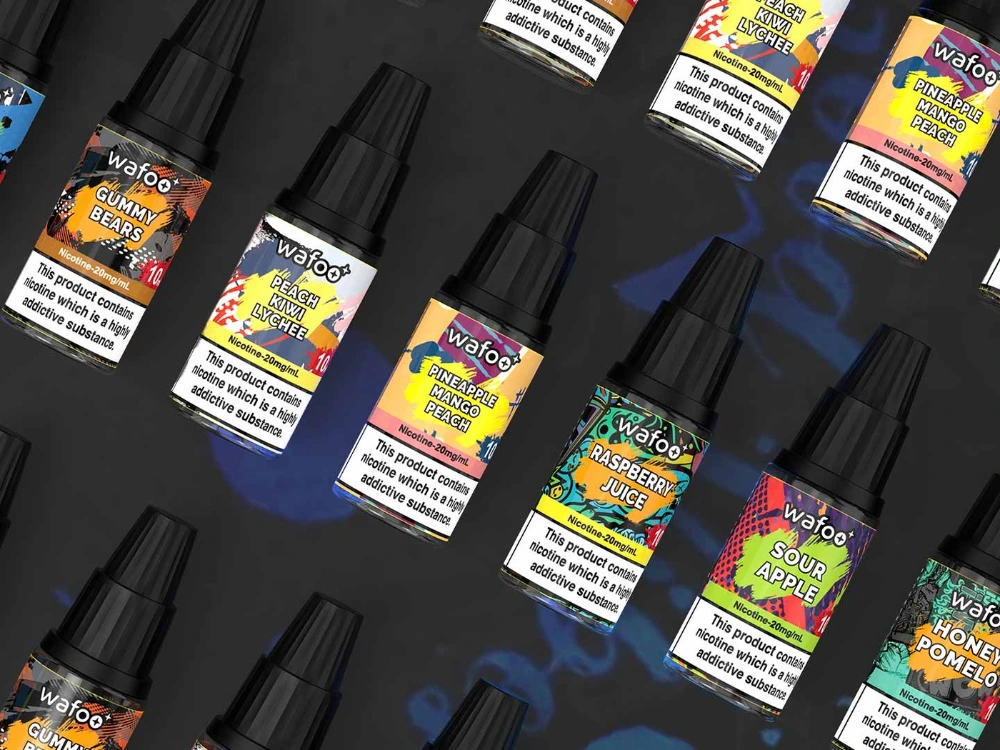
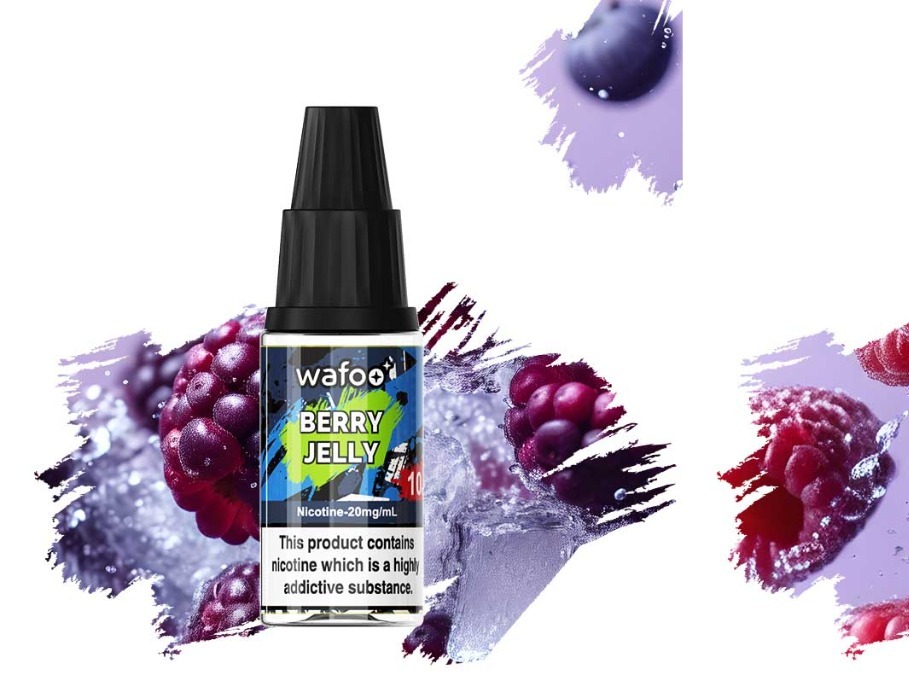
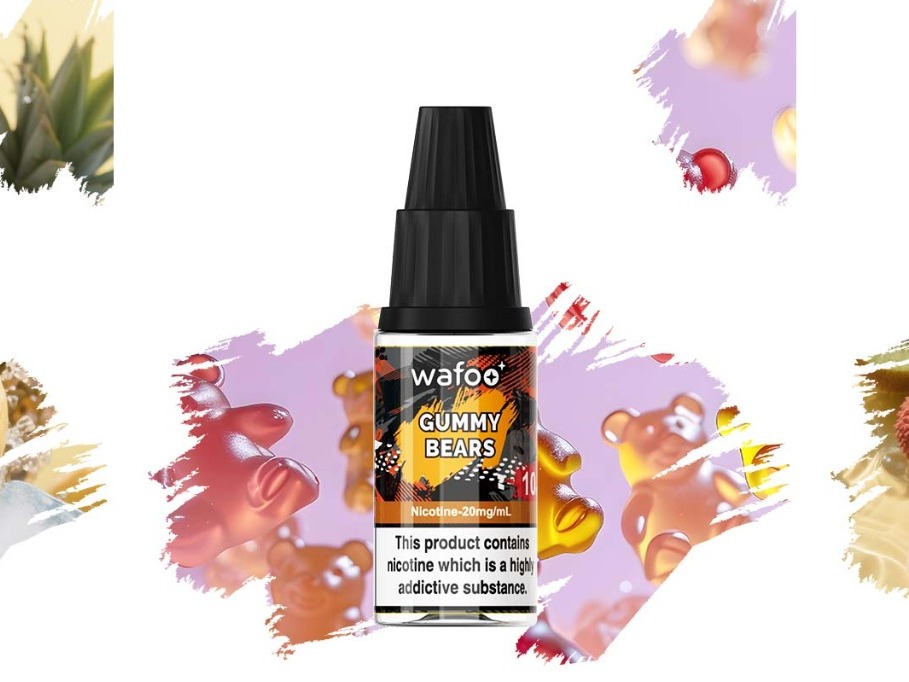
Wafoo E-Liquid gives buyers a concrete starting point because the page includes flavors such as Blue Raspberry Grape, Strawberry Jam, Berry Jelly, Gummy Bears, Peach Kiwi Lychee, Pineapple Mango Peach, Raspberry Juice, Sour Apple, Honey Pomelo, and Peach Juice. That flavor range is useful for building a sample list, but it should not be treated as the whole e liquid wholesale plan.
The real value comes when the buyer turns those flavors into a working file: target market, liquid ratio, nicotine strength, bottle label, carton notes, sample comments, and target device type. Wafoo’s broader work across vape products and e-liquid also makes the device-match discussion easier. Buyers are not only asking for taste options; they are asking whether the liquid can be planned around real pod, coil, airflow, and power conditions.
Why Is Flavor List Only the Starting Point for E-Liquid Wholesale?
A long flavor list can help a vape juice wholesale buyer build a better shelf mix, but it can also make the first order harder to manage. Too many flavors in one order may look attractive on paper. In actual retail handling, it can create scattered inventory, unclear sales focus, and slower feedback.
Flavor Variety Can Create Inventory Pressure
For a wholesale e-liquid supplier, flavor variety is important. Still, variety should be organized. Buyers usually need a smaller first-round set that is easy to test, explain, and reorder. A practical file may divide flavors into fruit profiles, sweet profiles, cooling profiles, drink-style profiles, and market-specific choices.
Wafoo E-Liquid supports this kind of grouping because the range covers fruit-led and sweet-style options. Blue Raspberry Grape, Strawberry Jam, Peach Kiwi Lychee, Pineapple Mango Peach, Raspberry Juice, Sour Apple, and Honey Pomelo give buyers room to plan a balanced flavor shortlist instead of choosing randomly.
Sample Feedback Should Come Before Bulk Flavor Expansion
A first order should not include every possible flavor only because the supplier can offer them. Buyers should test a smaller group first. The sample notes should cover sweetness, cooling feel, aftertaste, throat feel, label recognition, and feedback from the intended channel.
This matters for vape juice wholesale planning. A flavor that looks strong online may not become a repeat SKU if the channel cannot explain it or if the taste profile overlaps too much with another flavor. The safer path is simple: sample, compare, shortlist, then expand.
If buyers are still collecting flavor feedback from sales teams, it is usually too early to approve a wide first-order flavor file. At that stage, a smaller sample round usually gives better buying evidence than a wider flavor order.
Flavor Names Need Market and Label Review
Flavor names do not stay on the product page. They appear on bottle labels, inner boxes, cartons, inventory sheets, and sales materials. That is why e liquid wholesale buyers should confirm flavor names before artwork approval.
How Should Buyers Check Liquid Ratio Before Ordering?
Liquid ratio is one of the checks that separates a normal flavor inquiry from a serious wholesale e-liquid supplier review. Buyers do not need a textbook explanation of every ingredient. They need to know how the ratio may affect throat feel, flavor delivery, vapor output, and device behavior.
Ratio Affects Throat Feel, Flavor, and Vapor Output
Different liquid ratios can feel different in use. A higher PG direction is often linked with stronger flavor delivery and throat feel. A higher VG direction is often linked with thicker vapor and a smoother feel. Final performance still depends on formulation, coil, power, airflow, and user habits, so buyers should avoid absolute claims.
For B2B orders, the issue is consistency. If the sample feels one way but the bulk batch feels different, the retail channel may question the product. A vape e-liquid supplier should be able to discuss the preferred ratio clearly and keep the buyer file aligned from sample to order.
Ratio Should Match the Target Device Type
Device match is where many e-liquid orders become more practical. Pod devices, MTL products, refillable devices, and mesh coil systems may need different liquid behavior. If the liquid is too thick for the target device, buyers may see weak wicking or dry-hit complaints. If the liquid is too thin for the device structure, leakage comments may increase.
Ratio Claims Need Supplier Confirmation
Before placing an order, buyers should confirm the target ratio, bottle format, nicotine strength, flavor list, and destination-market label notes. These points belong in the same document. A scattered chat history is not a reliable production file.
What Should Buyers Confirm About Nicotine Strength?
Nicotine strength is not just a product detail. It affects label wording, market suitability, sample review, and device match. A buyer should confirm it early, before flavor artwork and carton files are treated as final.
Nicotine Strength Should Fit the Destination Market
Different markets may require different handling of nicotine strength, warning text, label language, and sales claims. Buyers should confirm destination-market requirements before approving bottle labels. The supplier can help prepare the product discussion, but the buyer still needs to check final market rules.
Nicotine Salt E Liquid Needs Device Matching
Nicotine salt e liquid is often discussed in relation to pod-style or MTL usage, but buyers still need to test it with the target device type. Coil behavior, airflow, output power, liquid flow, and the intended draw style can all affect how the product feels.
For a wholesale e-liquid supplier check, this is a useful question: can the supplier discuss nicotine salt e liquid as part of a device-use scenario, not just as a label line? Buyers should ask for sample testing guidance and then record feedback by flavor, strength, and device type.
Strength Options Should Be Clear in the Quotation File
The quotation file should not simply say “assorted flavors.” It should show flavor, nicotine strength, liquid ratio preference, bottle size, label version, carton quantity, and any market notes.
How Does Device Match Affect E-Liquid Supplier Selection?
E-liquid and device selection are not the same thing, but they are connected. The liquid is not sold in isolation once it reaches the channel. It will be used with a specific pod, coil, airflow path, and output range. That is why device match should be part of supplier selection.
Pod Devices Need Stable Flow and Coil Compatibility
Pod devices usually depend on stable liquid flow, coil wetting, and a clean draw feel. If the liquid does not fit the device style, the buyer may hear complaints about weak flavor, dry taste, leaking, or uneven performance.
A serious wholesale e-liquid supplier conversation should include the target device type. The buyer can provide sample devices or describe the device structure, and the supplier can help keep the discussion grounded around liquid behavior instead of flavor names alone.
Wafoo’s Device Background Makes Liquid Matching Easier to Discuss
Wafoo is not only presenting an e-liquid flavor page. Its wider vape product background means buyers can discuss e-liquid in relation to device use, coil type, airflow, and power range. This is useful for brand buyers and distributors who need more than a flavor list.
Sample Testing Should Use the Real Sales Device
The same liquid can feel different across devices. Buyers should test samples with the device type they plan to sell or pair with the liquid. Testing should include taste consistency, aftertaste, cooling level, leakage signs, coil response, and whether the flavor remains stable after repeated use.
For vape juice wholesale orders, this step is easy to overlook. It is also one of the easiest ways to reduce later complaints. If the sample test does not use the real sales device, the feedback may not mean much.
What Should Be Included in an E-Liquid Wholesale RFQ?
A useful RFQ is not just a request for a flavor list and quotation. It should help the supplier understand the buyer’s target market, device pairing, label needs, and first-order plan. That is where many wholesale projects become smoother.
Flavor Shortlist
Buyers should prepare a flavor shortlist before asking for final terms. This list can separate core flavors, trial flavors, and backup flavors. It should also note any flavors that do not fit the target market.
For Wafoo E-Liquid, buyers can use the existing flavor range as a starting point. Fruit-led options, sweet profiles, and cooling-style ideas can be grouped into a clearer sample plan. This makes the first order easier to manage and gives the sales team a better story.
Liquid and Nicotine Details
The RFQ should include preferred liquid ratio, nicotine strength, whether nicotine salt e liquid is required, bottle size, label format, and target device type. These details help the vape e-liquid supplier respond with fewer assumptions.
Packaging and Market Notes
Bottle label language, warning text, carton information, barcode needs, SKU codes, and destination market should be included early. These are not small details. They decide whether the product file is ready for importers, distributors, and retail partners.
If the buyer is still unsure about label wording or flavor grouping, the next step should not be a full bulk approval. It should be a tighter sample and file review.
Conclusion
Choosing a wholesale e-liquid supplier is not only about finding attractive flavors. The stronger check is whether the supplier can help buyers move from flavor interest to a workable wholesale file: liquid ratio, nicotine strength, sample feedback, device match, label notes, and order quantity.
Wafoo E-Liquid gives buyers a practical starting point because its flavor range can be grouped into sample sets for vape shops, distributors, and brand buyers. Wafoo’s broader device and e-liquid background also makes the matching discussion more useful. Instead of treating e-liquid as a stand-alone flavor item, buyers can connect it with pod behavior, mesh coil performance, airflow, power range, and channel feedback.
For buyers who only have a loose flavor list, the order is probably not ready for a stable quotation yet. A better next step is to narrow the first sample set, confirm the preferred liquid ratio, list the required nicotine strength, and note the device type the e-liquid will be tested with. Once those points are clear, buyers can ask Wafoo for a more useful wholesale discussion around flavor samples, label details, bottle requirements, and first-order planning through Contact Us.
FAQs
Q1: What should buyers check first when choosing a wholesale e-liquid supplier?
A1: Buyers should first check flavor stability, liquid ratio, nicotine strength, label requirements, sample feedback, and whether the liquid matches the target device. Wafoo E-Liquid can be used as the starting point for flavor planning and sample review.
Q2: Why does device match matter for e-liquid wholesale?
A2: Device structure, coil type, airflow, pod design, and output power can change how an e-liquid tastes and flows. Buyers should test Wafoo E-Liquid samples with the device type they plan to sell.
Q3: What should buyers send to Wafoo for an e-liquid quotation?
A3: Buyers should send the flavor shortlist, preferred liquid ratio, nicotine strength, bottle or label needs, target device type, market notes, and expected order quantity.