
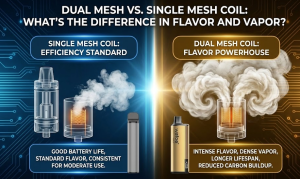
In the fast-changing world of vaping, people keep looking for tools that give a stronger taste, bigger clouds, and longer-lasting use. As the market moves to devices with high capacity, a fresh tech matchup has come up: Dual Mesh versus Single Mesh. For users who want the top experience, understanding the gap is key.
People with long experience in the field have worked for years to improve heating tech to fit these needs. At Wafoo, the focus is on making strong disposable vapes that stretch the limits of how long they last and how true the flavor stays. It is clear that a device works only as well as its heating part, so a lot of effort goes into new coil ideas. If you like big clouds or strong tastes, picking the right inner tech decides if your device gives steady draws or loses steam in the middle of its run. This article will explain the tech gaps in taste and cloud making to guide you toward the device that fits your wants best.
Over time, vaping has grown from basic setups to ones full of smart parts. Users now expect more from their gear, and coil design plays a big role in that. Single mesh has been common for a while, but dual mesh brings new levels of power and evenness. By breaking down how these work, users can see why some devices stand out in flavor and vapor quality. This knowledge helps in choosing products that match daily habits, whether for quick uses or long sessions. The push for better tech comes from what users say they need, like less waste and more joy in each puff.
What is Mesh Coil Technology?
To see the big step up with dual setups, it helps to know the simple facts about mesh coil tech. Unlike old coils that use one wire twisted into a coil shape like a spring, a mesh coil uses a metal piece with a net-like pattern, often from stainless steel or Kanthal.
The smart part of this build is its contact space. The net design boosts the touch area between the heat part and the cotton wick soaked in e-liquid, which is usually organic cotton. This setup spreads heat more evenly, cutting out the hot spots that lead to bad burnt flavors in round wire types. With the wide space and lightweight, mesh coils warm up very quickly, something called “ramp-up time.” This fast warm-up means clouds form right when you draw, giving a quick and full draw that feels good.
Mesh tech started as a way to fix uneven heating in early vapes. Now, it is standard in many devices because it handles e-liquid better. The grid pattern pulls liquid in fast and heats it without waste. This makes every puff count, especially in disposables meant for many uses. Users notice the difference in how smooth and full the vapor feels compared to older wire coils that could clog or burn fast.
Single Mesh Coil: The Standard for Efficiency
For many years, the single mesh coil has served as the main choice for most throw-away devices. It uses one piece of mesh to warm the e-liquid.
Efficiency and Battery Life
The main plus of a single mesh build is how it saves power. By running just one heat part, the device uses less battery for each draw. This works well for small, handy disposables where the battery is not big. A single mesh coil gives fair output, making a good amount of cloud and taste without pulling too much from the power too soon.
In everyday use, this means a longer time between charges or swaps. For light users, it keeps things simple and cost-effective. The design fits well with basic needs, where you do not want extra features slowing things down. Still, it holds up in tests for steady flavor over short runs, making it a go-to for beginners.
Limitations in High-Puff Devices
Yet, as buyers turn to the longest-lasting disposable vape types, those with 10,000 to 15,000 puffs or higher, the single mesh coil runs into issues. During a long run, one heat part takes all the work of turning milliliters of e-liquid into vapor. This ongoing strain can wear out the coil and cotton faster. Near the end of the device’s time, people may see weaker taste strength or softer notes in their e-liquid, since the one coil fights to keep its top shape over weeks of steady pulls.
These limits show up more in heavy use, like during travel or busy days. Without help, the single setup can lead to uneven draws, where early puffs feel strong but later ones fade. This is why some users switch to better options for longer devices, seeking ways to keep flavor fresh all the way.
Dual Mesh Coil: The Powerhouse of Flavor
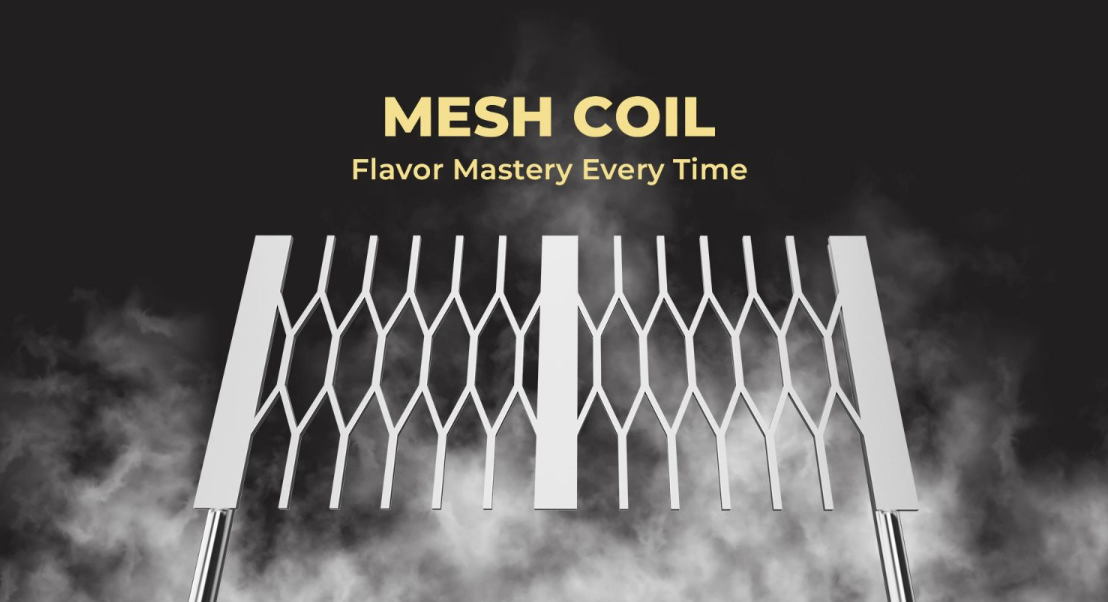
Here is where Dual Mesh tech steps in, changing how high-capacity throw-aways perform. As the name says, this setup uses two mesh coils that work together or one after the other.
Dual mesh builds on the single idea but adds power by splitting tasks. This lets devices handle more e-liquid without strain. In practice, it means better taste from start to end, which is vital for big puff counts. The tech fits well with modern vapes that aim for both ease and quality.
Flavor Explosion and Density
The first thing users pick up on is the thick clouds and deep taste. With two parts, the heat space doubles in effect. This lets more e-liquid turn to vapor at once. You get a fuller cloud that holds stronger taste layers. The fine parts of mixed e-liquids, such as fruit mixes or sweet tastes, come out clearer and separate.
This boost comes from how the two coils pull and heat the liquid evenly. No part gets overwhelmed, so flavors stay true. For fans of complex juices, this means enjoying every hint without muddying. The density also makes clouds feel more satisfying, adding to the overall fun of vaping.
Prevention of Carbon Buildup
A key tech win for dual mesh is how it cuts down on carbon buildup. In a high-puff tool set to be the longest-lasting disposable vape you own, carbon on the coil kills good taste. By splitting the job between two coils, the heat load on each mesh piece drops. This spread of warmth stops any one spot from getting too hot and charring the e-liquid, the main reason for that bad “burnt” flavor.
Over time, this keeps the device clean inside. Less buildup means fewer bad puffs, even after many uses. It is a simple fix that makes a big difference in daily reliability. Users report fewer issues with flavor drop-off, which builds trust in the product.
Enhanced Pore Size Technology
New dual mesh setups often use mesh with set hole sizes, usually around 15-18 microns. This tiny feature is important. It improves how liquid flows in, pulling e-liquid fast and holding it steady. This “lock-in” for wetness keeps the cotton full, even in long chains of draws, stopping dry hits and making sure the 10,000th puff feels new like the first.
The pore tech works like a smart filter, balancing speed and hold. It prevents leaks, too, which is common in rushed designs. This level of detail shows in tests, where dual mesh holds up better under stress. For makers, it means building devices that last without cutting corners.
Comparison: Flavor & Vapor Production
When you put the two side by side, the user side differences stand out clearly in how they feel.
Both types aim for good output, but dual takes it further in key ways. This comparison helps users weigh what matters most, like taste depth or power use. In the end, it guides picks for different styles of vaping.
Vapor Texture
Single mesh makes a regular, light cloud that works fine for easy users. On the other hand, dual mesh systems create a smoother and finer vapor. The better breakdown turns e-liquid into tiny mist bits. This leads to a soft, smooth throat feel that bites less, even when power is up.
The texture change comes from finer control over heat and liquid. It makes long sessions easier on the throat, a plus for those who vape often. Casual users might not notice at first, but over time, the comfort adds up.
Consistency Over Time
Steady output marks a top vaping session. Single mesh coils can lose steam as battery power falls. Dual mesh setups, often with smart chips, keep an even flow. Even when the battery gets low, the two parts make up for it to give a steady taste. This stands as a main trait for any device that claims to be the longest-lasting disposable vape, since buyers want quality to last through the full e-liquid amount.
This evenness means no weak ends to the experience. It fits with how people use vapes now, expecting reliability like in other gadgets. Tests show dual holds flavor better in long runs, proving its worth for serious users.
The WAFOO 16000: The Ultimate Dual Mesh Experience
To really feel the gains of this tech, check devices built just to use it well. The top model, the WAFOO 16000, shows dual mesh done in the best way.
Made for those who will not settle, this tool adds a fresh Dual Mesh system that puts it at the top of choices. With up to 16,000 puffs, it counts on the dual core to use every bit of e-liquid well and with full taste.
The build focuses on balance, mixing power with smart use. It handles big loads without faltering, ideal for users who need a workhorse. Early reviews praise how it keeps going strong, setting a high bar for others.
Smart Integration
More than the coil, the device has a clear Smart Screen. This lets users check e-liquid and battery levels live. Nothing beats a dry pull from an empty tank; the smart show teams with the coil to keep you in the know. If you hunt the longest-lasting disposable vape that mixes deep dual mesh taste with new tech smarts, this sets the standard.
The screen adds ease, showing data at a glance. It ties into the dual system to warn of low levels early. This prevents waste and boosts safety, features that smart users value. Overall, it makes the device feel like a full package, not just a simple vape.
Conclusion
Picking between Single and Dual Mesh coils comes down to what you value most. If you like a plain, power-saving tool for quick times, a single mesh is a good pick. But if you want the best in true taste, thick clouds, and long life, Dual Mesh wins out. It changes vaping from just working to really fun, making sure high-puff tools give top work from beginning to end. As vaping tech keeps growing, the commitment stays to offer ways that lift your sessions.
Looking ahead, more advances will build on these bases. Dual mesh paves the way for even better designs, like ones with adjustable heat or auto-clean features. Users can expect devices that learn from use, tweaking output for perfect puffs. This path keeps vaping fresh and user-focused, meeting rising needs in a busy world.
Contact Us
If you run a wholesale or retail spot and want to carry the most forward and longest-lasting disposable vape items on offer, help is here. The team gives full OEM/ODM plans fit to your brand’s goals. Get in touch now to talk about growing your business.
For partners, custom options mean branding that stands out. From colors to pack sizes, tweaks make products yours. This setup helps sell more by matching local tastes. Reach out to learn how easy it is to start.
FAQ
Q: Does a Dual Mesh coil consume more battery than a Single Mesh coil?
A: Generally, yes. Because two coils heat up simultaneously or require more power to operate effectively, they can drain the battery slightly faster than a single coil. However, most modern devices with dual mesh technology come equipped with larger, rechargeable batteries to offset this, ensuring you still get a full day’s use on a single charge.
Q: Can I switch between Single and Dual Mesh modes on all devices?
A: Not all devices support this feature. While some advanced disposables offer a switch to toggle between a “Standard” (single) and “Turbo” (dual) mode, others are fixed in a dual configuration to maximize flavor performance constantly. It is best to check the specific product specifications to see if mode switching is available.
Q: Why is Dual Mesh recommended for the longest-lasting disposable vape devices?
A: Dual mesh coils are recommended because they share the workload of heating the e-liquid. In high-puff devices (e.g., 15,000+ puffs), a single coil is more likely to degrade, accumulate carbon, and burn out before the massive amount of e-liquid is finished. Dual mesh systems distribute the heat, reducing wear on the coils and ensuring the flavor remains consistent and fresh for the entire lifespan of the device.