

Most disposable vape quotes carry two prices. One is the number for a first run. The other is the number for a later run of the same model. That second number is lower. It is not a discount. It is the same cost stack, after the factory has already spent the one-time money.
The gap between the two prices has little to do with how hard a buyer bargained. It comes down to which line items are still sitting on the sheet. Pay them on a small first run, and the whole price moves. Spread the same work across a bigger number of units, and the per-unit figure drops.
The useful skill here is knowing which items come back on every order. Some do not come back at all. A buyer who can name them puts two quotes for the same device side by side. Before either one is paid, the cheaper one is already obvious. Split the items into their two groups, and the rest of the sheet stops being a mystery.
What the Ex-Works Price Is Built From
The items that cost on every unit
Ex-works stops before freight and before duty. It is the factory’s own cost to make a unit and let it leave the building. That cost splits into two halves.
Material is the half that never stops. A unit carries a battery, a coil, and a measured amount of liquid. Around those it gets a shell, with a label on the shell. Every unit of any size needs the full set. The bigger the unit, the more of each item it uses.

As the unit count grows, the material cost grows with it. The two move together in a straight line. Assembly and test labor sit right behind material. Whether the run is a few hundred units or a few thousand, the labor per unit stays close to the same. Material and labor are the floor. No unit count pulls a unit under them.
The items that cost once
Tooling is the biggest of the once-costs. A shell mold, or a coil layout that is not an off-the-shelf part, gets built before the first unit ships. That cost sits on top of whatever the first run is. On a 500-unit order, the mold cost rides over 500 units. On a fifth order of the same model, it rides over nothing. It is already paid.
Compliance is the one buyers tend to forget. CE, RoHS, and the FCC battery test each cover the exact configuration you send in. A first batch loses units to the validation steps before anything ships.
Line setup is the third. The changeover, the first material feed, the QC station being tuned, the packing spec being approved, each one of these takes hours. The machine runs. The labor stands there. The line is not steady yet. On a small run, those hours spread over a small number of units. Each unit ends up carrying a heavy share of them.
How Quantity Changes What Each Unit Carries
What a small run pays per unit
The same model can carry two unit prices in one season. Nothing about the product moves between them. The first run is in the low hundreds. The mold, the lab submissions, and the setup hours all divide into a small number of units. Each unit takes a big slice of the cost.
An opening quote for a new model, or a new supplier, tends to read high. A few months later the same model reads cheaper. Quantity did that work. A buyer who has placed a trial before stops reading the opening quote as a number to argue. They start reading it as the one-time cost amortizing over the run.
What the reorder removes
By the second order, the mold is already cut. The configuration has been certified since the first batch. The line just repeats the setup it did before. Those slices drop out of the per-unit figure. The price settles into a lower band. It usually holds there for the life of the model.
Material and labor are still in there. That is the reason the second price is lower, but not dramatically lower. A reorder is cheaper because fewer line items get paid for again. The FAQ that covers how a Wafoo sample fee is treated on a bulk order covers that first-to-second step. A buyer who has not made the jump yet can read it.
Which Levers a Buyer Actually Controls
Quantity and SKU mix
Quantity moves every once-cost. It changes the number of units that divide the mold, the lab, and the setup. It is the single biggest lever a buyer holds on the per-unit figure.
SKU mix works differently. Most buyers miss it. Every flavor and every model in the order is its own SKU. Each one carries its own quantity. An order can scatter a 5,000-unit total across twenty small lines. Most of those lines then sit in the expensive low-quantity band.
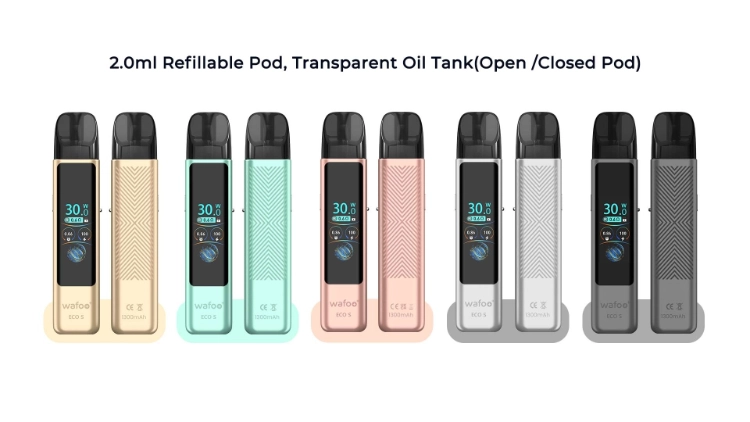
Gather the same total into fewer, bigger lines. The whole order moves into the lower band at once. A wholesale product range plan that leans on a core few models outperforms a scatter of one-offs. This is the reason.
Model, route and destination
The model sets the recurring floor. A 6000-puff model uses more material than a 3000-puff one. It also takes more test time per unit. That extra floor rides with the model. Every order that carries the model carries the floor with it.
Route and destination work the freight side. A market that needs air express, or a longer sea lane, pays more per unit than one closer to the warehouse. 2026 tariffs and duties add on top for some of those lines.
You do not argue over any of those four at the desk. Set them on purpose, and the order stops paying for a route it never needed.
Before You Compare Two Quotes
Match the model and the quantity first
Two quotes for “a 3000-puff disposable” can sit at different floors. The puff count may differ, or the coil may. Confirm the model on each side, before anything else. Then confirm the quantity each price assumes.
A quote priced in the low-quantity band reads higher than the same model priced in the reorder band. The gap is the two bands sitting at different points on the scale. The Wafoo product pages list the specs that set the recurring floor. They are the quickest way to make sure both quotes are for the same device.
Check what is still repeating and what the route assumes
Ask which line items are still repeating at your quantity. A quote that has not yet absorbed the tooling and the lab reads higher than one that has. The difference is the new-run amortization still sitting on the price.
Then check the route and destination each price assumes. The same model at the same quantity can differ by freight alone, once a tariff or a longer lane is in it. Run those two passes. Before you pay, you can name which lever made one quote cheaper than the other.
Conclusion
A disposable vape wholesale price is a stack of line items. Some cost on every unit. Some get paid once, then stop. The gap between a first order and a reorder comes from the one-time items. They spread over a bigger number of units.
A buyer actually holds four levers. They are quantity, SKU mix, model, and destination. The number printed on the quote moves less than those four do. Work it out this way, and you know which levers are yours to move before you commit. You also stop guessing why one quote runs higher than another.
Questions fréquentes
Q1: Why did my first order for the same model run higher than the one after it?
A1: The first order carried the one-time items. That means the mold tooling. It means the CE and RoHS and FCC validation for that configuration, and the line setup. The next order reused all of it. Once the one-time slices were gone, the figure settled lower.
Q2: If I mix more flavors into the order, does that bring the price down?
A2: Not by itself. Each flavor is its own SKU. Each one carries its own quantity. A wide mix spreads the total across many small lines. Most of them end up in the higher low-quantity band. A narrower mix uses fewer SKUs with bigger quantities. The whole order moves into the lower band at once.
Q3: What has to be fixed before a quote is final?
A3: The model has to be fixed. So does the flavor and SKU set. The quantity per SKU, and the destination, both have to be fixed too. With those four set, the recurring floor and the freight side are set. The quote then reflects the actual cost stack.