
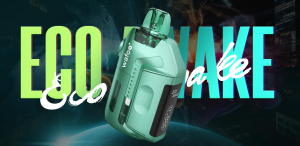
The vaping business around the world sits at a key turning point. As more people turn to vaping, seeing it as a safer choice than smoking regular cigarettes, a problem has appeared with this growth: electronic trash. For buyers and companies both, talks now move away from just taste and ease to focus on green practices. The main question centers on two common types of equipment: the usual throwaway kind with a built-in battery and the newer kinds with batteries that can come out or get reused.
At Wafoo, the company has seen how vaping tech has grown up close. It goes beyond simple putting together of parts; the group includes builders, creators, and market watchers who work to connect a great user feel with care for the earth. The focus stays on spotting changes in what people want before they become common, guiding partners through the tricky world of making hardware. From picking the best mix for lithium-ion batteries to building exact air flow setups, the skills help make items that meet the rules and what users expect. The view holds that vaping’s tomorrow needs to mix quick joy from using it with lasting care for the world we live in. This balance pushes forward better ways to design and produce these tools.
The Sustainability Dilemma in Vaping
The main issue in today’s vaping tools turns on how long parts last compared to how long the liquid lasts. In a basic setup, the tool includes a battery, an atomizer, and a tank for e-liquid. The gap shows up because the lithium battery, a useful and strong-energy part, often keeps working well after the e-liquid runs out. This mismatch leads to waste that could have been avoided if parts had been used more fully.
When looking at the earth’s impact of vaping, it pays to check how these parts fit together. The market now fills up with tools where these elements join into one piece. This brings simple use, but it means throwing away the whole thing once the liquid ends. On the other hand, fresh building methods split the power source from the liquid holder, working to cut down on dangerous trash going to dumps. This change comes not just from good morals but from tougher world rules on battery trash and green ways. Such steps help lower the harm from used items and push for smarter designs that last longer.
Integrated Battery Vapes: The Hidden Cost of Convenience
To fairly check which is better for the earth, start by examining how the common throwaway vape works. These tools usually have a joined design where the battery, atomizer, and e-liquid tank sit inside a shell that cannot come apart. The big draw here is clear ease. Users just take it from the box and start using it, with no charge or upkeep needed, which suits trips or light use well. This setup makes them perfect for people on the move or those who do not want extra steps.
Yet, this ease carries a big earth price. In these joined setups, the battery size gets set to run just enough to turn the set amount of e-liquid into vapor, often a few hundred draws. Once the liquid finishes, the tool gets tossed. The real problem lies in the battery, usually a lithium-ion type, which holds strong energy and can cycle many times. Throwing it away after one use wastes something that could recharge hundreds of times. This practice adds up to a lot of unused power sources piling up in trash.
On top of that, building these tools makes reuse hard. The battery gets fixed to the switch and heating part, wrapped in plastic. Pulling them apart for proper recycling takes a lot of work. So, even if the starting price seems low, the earth cost for each draw runs much higher because of all the dangerous stuff from one-time plastics and chemicals. This hidden toll shows why simple use can lead to bigger problems over time for both users and the planet.
Removable and Rechargeable Batteries: The Green Revolution
To fight the trash issue, the field now turns to piece-by-piece designs. The kind with batteries that come out or recharge marks a big step toward green vaping. This group covers tools where the battery base stays and gets powered up again, while just the filled pod swaps out. Such an approach cuts down on what ends up thrown away.
This way of building uses a magnetic piece setup. Magnets on the holder and the main tool link them firmly by pull. The user holds onto the battery part, which has the wiring, charge spot, usually USB-C, and the lithium cell. When the liquid runs low, only the light plastic pod with the coil and space gets tossed. This method keeps the heavy parts in use longer and lessens the load on recycling systems.
The gains for the earth come fast. One battery that recharges can handle hundreds of pods. This cuts way down on lithium-ion cells going to waste. These setups often pick soft-pack batteries or good round cells that give strong safety, a big space, and steady power release. Since the battery stays with the user, makers can use better stuff that keeps power even, so taste holds strong from the first draw to the end, unlike throwaways, where power fades as the battery weakens. This steady work makes the whole thing more reliable and kind to resources.
Comparison of Environmental Impact and User Value
Putting these two kinds next to each other shows clear differences, not only in trash but also in money and feel for the user. Each side has strong points, but one stands out for long-term good.
Eco-Friendliness and Waste Generation The biggest gap is how much trash builds up. A joined system makes a full electronic tool’s worth of waste for each liquid fill. But a battery that comes out might only make a small bit of plastic and metal trash for the same use. Since the battery takes a large share of the carbon footprint, using it again cuts the item’s earth harm the most. This simple change leads to less pollution and easier handling for waste centers.
Cost-Effectiveness for the Consumer Joined throwaways may look cheaper at first, but they cost more in the end. The buyer pays for a fresh battery, shell, and board each time. With a pod that swaps, the starter buy covers the battery tool, but later ones just need pods. Over time, the price for a new holder runs much lower than a whole new tool, turning it into a better money choice for steady users. This setup saves cash for those who vape often and cuts repeat buys.
Performance and Consistency Joined throwaways often face work worries; if the battery stops before the liquid does, what is left goes to waste. Systems with removable parts recharge, so every bit of liquid gets used. Also, since the battery stays, it usually has better chips that control power exactly. This keeps the heating part at steady power, stopping the fall in vapor that hits throwaways near their end. Users get reliable draws without sudden stops, making the experience smoother overall.
The Role of Advanced Coil Technology in Sustainable Vaping
Being green does not mean giving up on good taste. In truth, moving to systems with removable batteries like the ECO AWAKE often adds top-turning tech. The standout step in this area is the Mesh Coil. This part helps keep flavor strong while cutting waste.
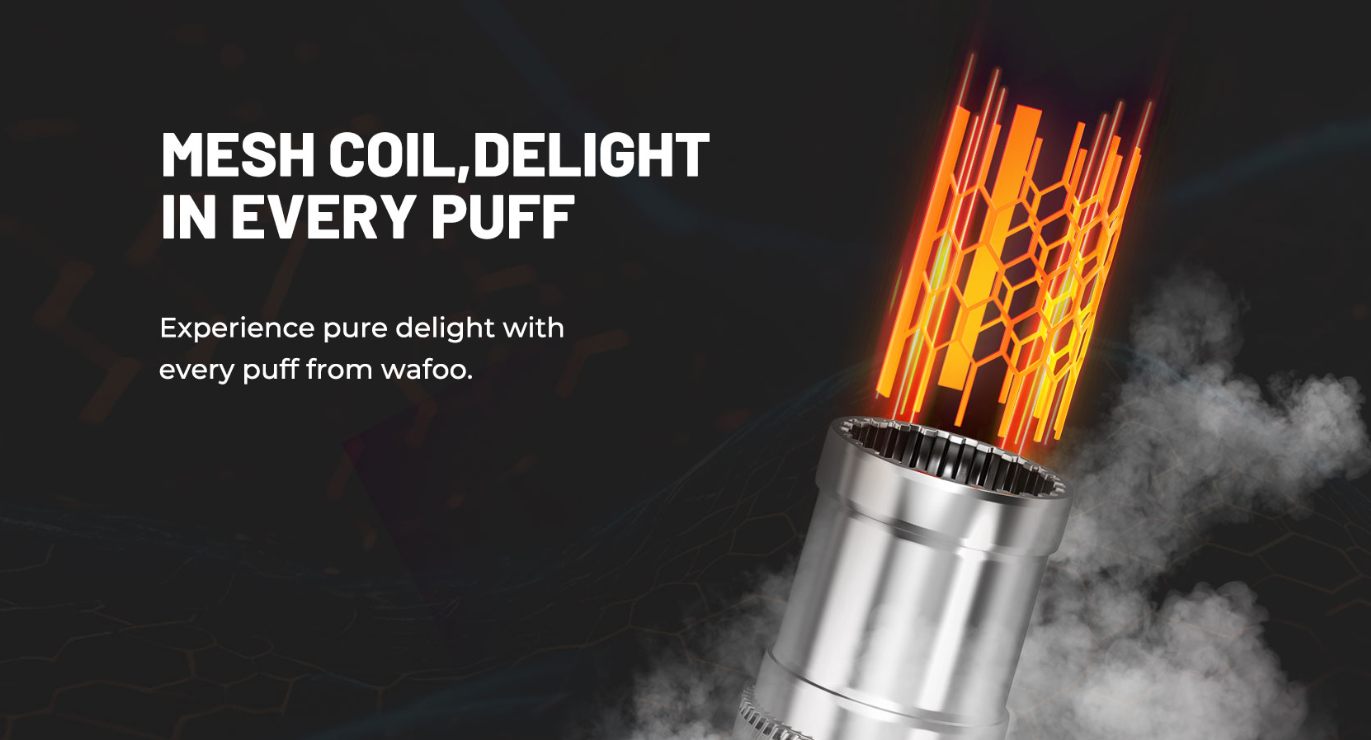
Different from old coils of twisted wire, a Mesh Coil uses a sheet of metal mesh, often stainless steel. This build boosts the heating area a lot. A bigger area heats evenly, key for true taste. Old wire coils can heat unevenly, making hot spots that burn the cotton and spoil flavor. Mesh covers the cotton better, with no spots for liquid to gather and pool, which also stops leaks. This even cover helps the tool work without drips or bad tastes. Such a design makes pods last longer and reduces how often they need changing.
For users who care about the earth, the Mesh Coil’s good work stands out. It’s lightweight, heats quickly, and makes big vapor at normal power levels. This puts less load on the battery, stretching the recharge unit’s life more. Even heating cuts carbon on the coil, so the pod holds up longer before taste fades, meaning fewer swaps. The mix of rechargeable battery and good Mesh Coil gives a full, steady, and much greener vaping way. This pairing boosts both joy and earth care in daily use. Users feel the difference in every puff.
Manufacturing Quality and Material Safety
Switching to removable battery kinds also raises the safety levels of the tool. Since the battery part is a long hold for the user, higher-grade stuff gets used. The link between the battery and atomizer is a weak spot in cheap throwaways. In better systems, gold cover tech often goes at the join points. This stops fast wear and bad touch from lots of turns and charges. Such care makes the tool last without risks building up.
The batteries face strict checks. They pick lithium-ion cells with strong energy hold and no fade from recharges. This keeps the charge power steady over months. For the outer part, earth-friendly stuff that holds up to daily carry gets used. Moving from throwaway ways lets focus on the exact building, like tuning the air flow sensor to start heating just right, copying a real cigarette pull without waits or wrong fires seen in low tools. This fine work makes the tool feel natural and safe every time. Users trust it more for long-term use.
Partnering for a Greener Future
For names wanting to join this changing field, going green in hardware opens a special chance. The need for green fixes is not small anymore; it is what most want. But building a system that mixes pieces with no-leak work and nice looks takes big work in research and growth. Companies need help to get it right without big risks.
This is where teaming with a skilled OEM/ODM maker gives a smart edge. Working with one that has set making steps lets names cut risks in stock and gear spend. It handles hard parts like shape making, plastic shell forming, and carefully putting together battery pieces. Skills cover changing the look finish, from soft feel paints to color fades by treating or spraying. These options let brands stand out while keeping green goals. Such support speeds up getting to market with solid products.
Teaming with Wafoo lets names put effort into selling and group making while safety and green standards are met. It gives the tech base, from the new Mesh Coil, adding to the trusted battery control chips. Whether handling world rule checks or making a special work design that catches eyes on shelves, the aim stays to help names start items that earn money and show care. This path builds stronger markets for all. Partners gain from shared knowledge and quick turns.
Conclusion
The talk on removable versus built-in battery vapes gets solved by the clear truth of what our earth needs. While throwaways gave the field a start through ease, the days ahead go to removable, rechargeable kinds. They bring better taste via tech like Mesh Coils, stronger money worth for buyers, and above all, a huge drop in dangerous electronic trash. Picking tools that honor the full life of lithium batteries lets people enjoy vaping perks without hurting the world’s health. For those set to change or names aiming to lead the green shift, support stands ready with the tech and help to win. Please contact us to find out more about green choices. This move promises a brighter path for vaping and the planet alike.
FAQ
Q: Are removable battery vapes more expensive than disposables?
A: The starting price for a removable battery tool often runs higher than that one a throwaway, but it saves money later. Since the battery gets reused and only the pod or holder swaps, the ongoing cost drops a lot compared to getting a full new tool each time the liquid ends. Regular users see the value build up quickly over weeks or months.
Q: Do removable battery vapes taste as good as disposables?
A: Yes, and usually even better. Systems with removable batteries, like the ECO AWAKE, often use top Mesh Coil tech. The mesh build grows the heating space for even warmth and better touch with the cotton, leading to fuller, smoother taste and more vapor than wire coils in regular throwaways. This upgrade makes each draw more enjoyable without extra effort.
Q: How do I properly dispose of the old pods from a removable system?
A: Pods from removable setups make less trash than full throwaways because no battery sits inside. Still, they have plastic and leftover liquid. Check local rules on recycling plastics. The key earth win comes from not tossing the lithium battery, which holds heavy metals and needs special danger waste handling. Following these steps keeps the good in the system going strong for everyone.