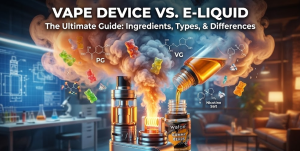
Moving through the vaping area can seem tough for beginners and even for experienced company leaders who plan to grow their product choices. A usual spot of mix-up comes from the clear split between the basic equipment and the usable liquid that runs it. These two parts work side by side to build the full session, but they remain separate pieces with their own detailed building steps, content lists, and sales types.
Experts in the field, with years spent improving the tech for both equipment and supplies, Wafoo sees that clear views form the starting point for good choices. For a buyer working to end smoking or a brand head looking for a solid building partner, understanding the way these parts connect matters a lot. The main work focuses on making strong vaping equipment that pulls the most from each bit of liquid, so the taste setup made in the lab matches what the user senses. Close links in the supply chain let the full scene appear, from the battery’s power flow to the liquid’s thickness, which helps direct partners to wins in this busy market.
What is a Vape Device? The Hardware Explained
To get the split, the holder needs a first look. A vape device, often just called a “vape,” serves as a low-power tiny electronic item made to copy the feel of classic smoking without any burning. These come in different forms—from smooth throwaway pens to heavy box mods—but the basic structure stays steady in every case.
The device works as the main power of the whole process. It mostly holds three main parts: a battery, an atomizer, and the outer frame. The battery acts as the energy supply, holding power (often in a lithium-ion cell) to pass to the heat part. Strength counts most here, and the tie between the battery and the atomizer has to be firm, usually with gold-plating tech to keep good electrical flow and long life.
The atomizer is the place where the main action occurs. It includes a heat part, often a metal coil or a ceramic center, plus a soaking material such as cotton. When a user breathes in or hits a button, the battery sends an exact flow of current to this coil. The coil pushes back against the current, creating heat quickly—usually hitting 200 to 250 degrees Celsius—to change the liquid to vapor. Without this equipment working as the heat trigger, the liquid would stay as a still mix.
What is E-Liquid? The “Soul” of Vaping
If the device is the power, the e-liquid (also known as vape juice) is the energy source. This is a liquid blend that, different from tobacco, does not need burning. Rather than heating to make smoke loaded with tar and carbon monoxide, it heats to form vapor (aerosol). The liquid carries the taste and nicotine, setting the feel level of the session.
The link between them is close and helpful to both. The device gives the power and the method for state shift, while the liquid offers the material to shift. No vaping session works without the pair. The liquid stays in a tank or cartridge, where it fills the soaking material. As the coil warms, it turns the liquid in the soak to vapor. The makeup of this liquid gets planned with care to make it change at the proper heat and bring the planned taste and throat feel.
Deep Dive into E-Liquid Ingredients: PG vs. VG
When looking at the makeup of this liquid, four key parts show up: Propylene Glycol (PG), Vegetable Glycerin (VG), flavorings, and sometimes nicotine. The mix of PG to VG is the top factor in setting the feel and power of the vapor.
Propylene Glycol (PG) is a clear, smell-free liquid with a mildly sweet flavor and good flow. In the blend, PG mainly works as a taste mover. It connects well with safe food flavorings, making sure the flavor of fruit, mint, or tobacco hits the mouth clearly. Also, PG handles the “throat hit”—that small push feeling in the throat’s back that copies the sense from a classic cigarette.
Vegetable Glycerin (VG), by contrast, is way thicker and dense. It pulls water from the air easily, as it is highly hygroscopic. The key job of VG is to make vapor. More VG leads to full, rolling clouds of vapor. It brings a normal sweet note and a softer mouth sense, easing the edge from the PG.
Getting the correct mix is like a craft. A liquid heavy on VG can get too dense for small coils to soak right, which causes “dry hits,” and too much PG can feel rough and make weak vapor. A 50/50 or 70/30 mix often acts as the common field standard, matching taste accuracy with good vapor amount.
Types of E-Liquid: Nicotine Salts vs. Freebase
Outside the base parts, the nicotine form used makes a big split that changes user pleasure and device match. This is a common spot where buyers and firms get mixed up, since a bad pick can bring a rough session.
Freebase Nicotine was the usual in the field’s start. It is the cleanest nicotine type, but its pH level is higher (more basic). This setup means that in large amounts, it can feel very rough on the throat. For people needing strong nicotine to meet urges, freebase liquids prove hard to draw in, often leading to coughs or soreness.
Nicotine Salts mark a key tech advance. Through mixing freebase nicotine with an acid (often benzoic acid), the pH drops, forming a salt setup. This change in chemicals offers two strong pluses. First, it gives a far softer throat feel, even at strong levels (like 20mg or 50mg). Second, and maybe more vital, nicotine salts hold better entry strength. They enter the blood quicker, copying the fast pleasure from a burned cigarette. This strong work makes salt liquids the top option for pod systems and low-power devices, since they provide pleasure without big vapor needs.
Why Choose Refillable E-Liquid?
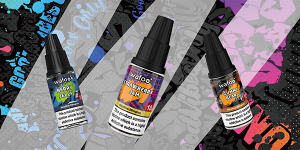
In today’s market, a lively talk goes on between throwaway setups and open, refillable ones. Throwaways bring ease, but the open way with bottled E-Liquid brings better gains for steady users and green practices.
Cost-Effectiveness is the quick win. An open-system cartridge or tank gets built for repeated use. One coil can handle 3 to 6 refills before it slows down. Compare the price of a 30ml liquid bottle to buying several throwaway bars for the same liquid, and the savings grow large.
Flavor Freedom is a further strong pull to change. Pre-filled devices tie you to the maker’s flavors. Bottled liquid opens endless picks. Mix tastes, pick exact nicotine levels not in throwaways, and set the precise session you want.
Eco-Friendly Footprint stays important. Tossing a battery and plastic shell each time 2ml ends builds huge electronic trash. Bottled liquids let users hold the battery and device for months or years, just dropping the small coil or bottle, which cuts the earth harm a lot.
OEM/ODM Services: Create Your Own Brand
For firms wanting to join this lively area, teaming with a skilled maker beats trying to raise a plant from zero. The gap between equipment and liquid building is huge, and getting both right needs vast means.
OEM and ODM services aim to close this gap. Using set production lines and supply chain, brands can cut costs and risks sharply. Skip the big money outlay on gear and the hard work of getting raw stuff. The team takes quality checks, making sure each battery stays safe and each atomizer sparks true.
Plus, quick moves count as money in this field. Set steps allow rapid market entry. Turn a design idea into large-run goods in far less time than building a new spot. This could mean tuning a coil’s push to fit a certain high-VG liquid or shaping a special easy-grip shell; the engineering crew holds the skill to carry it out.
Rules form a further key spot for partner aid. As controls tighten around the world, a product hitting global safety marks is a must. Help in working through these rules makes sure the brand starts strong in many places.
Conclusion
The split between a vape device and e-liquid matches the gap between the tool and the force that powers it. One shows a wonder of tiny electronics and heat design; the other is a careful chemical setup for sense pleasure. They differ, yet their strength ties close. A fine liquid tastes bad in a weak device, and a top device cannot mend a poor liquid.
For buyers, picking the right VG/PG mix and nicotine kind is central to fun. For firms, choosing a building partner who grasps these details is central to staying power. The offer stands to check chances for quality vaping fixes.
Contact us today to talk on raising your product line or finding the best vaping match.
FAQ
Q: Can I use any type of e-liquid in any vape device?
A: Not always. High-VG liquids hold more thickness and need high-power devices with wide soaking paths to avoid blocks, while high-PG or nicotine salt liquids are slimmer and fit best for low-power pod systems. A wrong type brings leaks or burned coils.
Q: Is e-liquid harmful if it touches my skin?
A: Nicotine can pass through skin, so wash spills fast. Yet, other parts like PG and VG count as safe for touch in general, though they might stick.
Q: How do I know when to refill my open-system pod?
A: Refill when the liquid drops under the soaking holes on the coil. Vaping on a dry wick risks burning the cotton, which spoils taste and ends the coil for good.