A vape power bank changes how a refillable pod can balance liquid capacity, device size, and available energy. A larger tank may reduce refilling, yet the pod vape can still run short of power before the liquid cycle ends. For distributors and product teams, the practical question is whether the tank, coil, airflow, battery structure, and charging method work as one system. This article identifies the details that matter before a high-capacity device enters a wholesale or retail program.
Why Capacity and Power Must Be Evaluated Together
Liquid volume and electrical capacity describe different parts of device use. Treating them as interchangeable can create unrealistic expectations, especially when a compact product carries a relatively large tank.
Liquid Capacity Sets Only One Part of the Use Cycle
A 15 mL refillable pod can hold more liquid than a small cartridge, so users may refill less often. That advantage does not define operating time. Coil load, draw length, airflow, selected mode, and daily use all influence energy consumption. A high capacity pod vape may therefore retain liquid after the onboard battery needs support.
This distinction matters during sample reviews and sales training. Tank capacity can be checked directly, while battery duration varies with use. Commercial descriptions should not convert milliliters or milliamp-hours into a fixed number of days.
Compact Devices Have Limited Space for Onboard Power
Increasing the internal battery can extend available energy, but it may also affect weight, dimensions, and hand feel. A compact device must balance these factors, which gives a separate power-support component a clear role.
The pod vape battery should be judged within the full hardware layout. Buyers need to know which cell powers the handheld unit, how the support unit connects, and whether the charging routine remains simple for the intended channel. These details are more useful than a large combined mAh figure without a clear operating explanation.
What a Vape Power Bank Changes in the System
A power-support design keeps part of the stored energy outside the handheld section while maintaining a practical carrying and charging routine.
On-Device Power and Support Power Serve Different Roles
The onboard cell supplies the device during use, while the support unit adds energy when needed. This can preserve a compact form without placing the full battery capacity inside the device body.
Connection and charging sequences vary. Buyers should confirm whether the two components form a routine that sales staff and users can follow without confusion.
Combined mAh Does Not Guarantee Fixed Battery Life
Battery capacity helps compare stored energy, but it cannot predict a universal puff total. Resistance, power mode, draw duration, airflow, charging losses, and usage frequency all change the result. Two users with the same pod vape battery may reach different operating times.
Responsible product communication should avoid turning combined capacity into an all-day or multi-day guarantee. State the battery configuration, explain how the support unit is used, and test performance under conditions that reflect the target market.
Type-C Charging Supports a Familiar Routine
A Type-C port provides a familiar interface. Quick-charge support may reduce downtime, but it does not prove an exact charging time, cycle life, or safety rating. Those points require separate evidence.
For a rechargeable pod system, instructions should identify the correct cable, power source, connection order, and indicator behavior. Clear guidance reduces avoidable support questions and gives distributors a firmer basis for training.
How Device Settings Change Battery Demand
Coil design, airflow, operating modes, and liquid delivery all shape energy use, so they should be examined as connected variables.
Dual Mesh and Operating Modes Affect the Load
Dual mesh identifies the coil configuration, but actual battery demand depends on resistance, operating mode, draw duration, and device control logic. Mode selection may change how the coil is driven, which can alter liquid and battery consumption.
Buyers should confirm resistance, available modes, and the way each mode is explained to users. Stronger output or longer life should not be assumed from the coil name alone. Sample testing across intended conditions gives a more reliable view.
MTL and DTL Settings Change Consumption Patterns
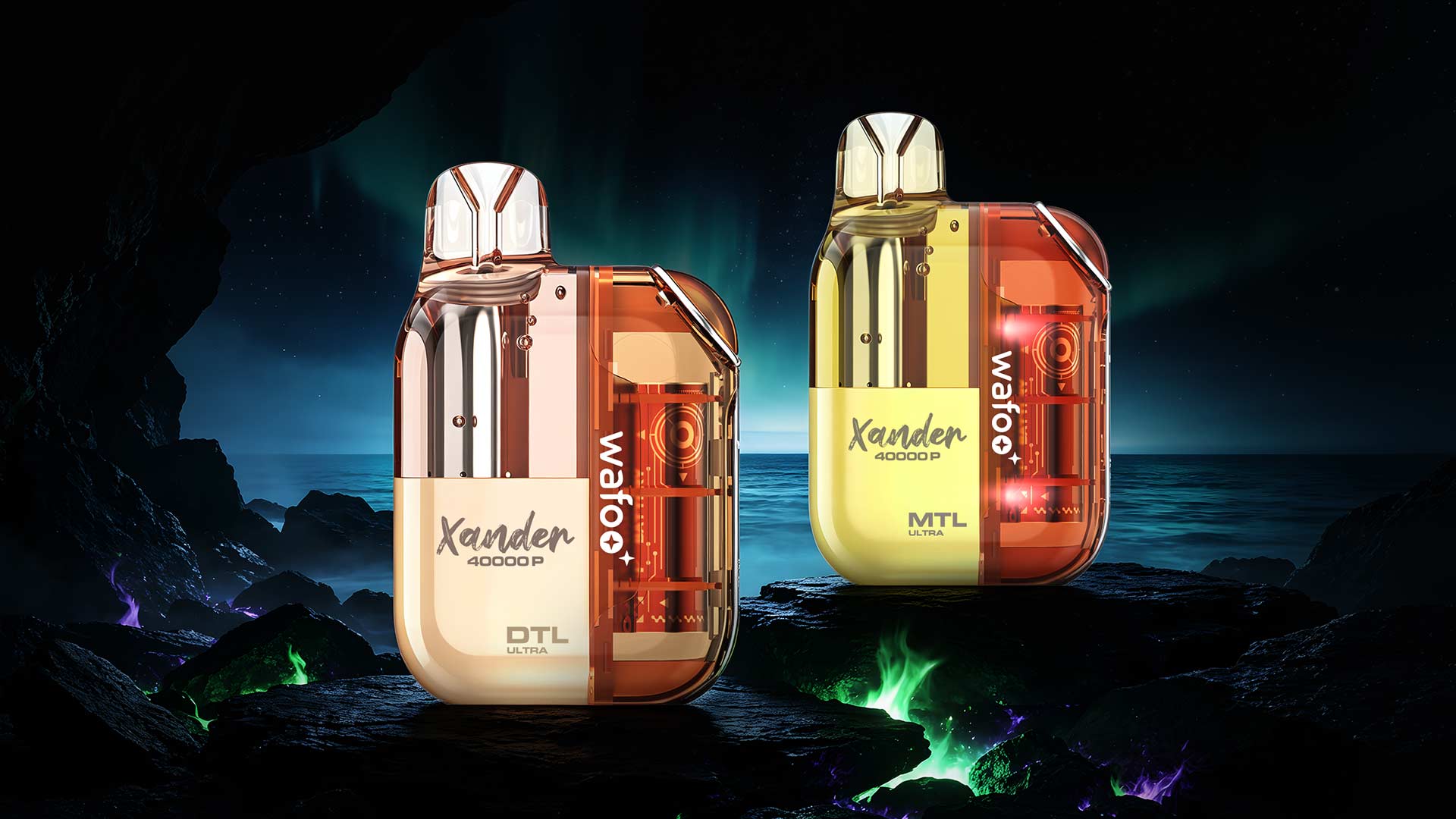
Adjustable airflow allows one device to support tighter and more open draw preferences. MTL use often involves a restricted draw, while DTL use allows greater airflow. Draw length and frequency still vary, so neither setting creates one fixed consumption rate.
In a high capacity pod vape, these differences can affect how quickly liquid and stored energy are used. Retail training should explain the controls and their practical effect without promising that one setting always lasts longer.
A Transparent Tank Covers the Liquid Side
A refillable transparent tank allows users to check remaining liquid without relying only on an estimated puff figure. It addresses liquid visibility, while the battery system addresses power availability. The two functions support different parts of the same cycle.
Buyers can inspect liquid visibility, then test how the handheld battery and support unit behave through repeated use. Both states should remain easy to manage.
What Buyers Should Verify Before Ordering
Evaluation should focus on demonstrable facts, especially when a device combines a large tank, several controls, and more than one battery component.
Clarify the Battery Architecture
Ask which battery sits in the handheld device, which battery sits in the support unit, and how they connect. Confirm the retail package contents, charging indicators, and accessory availability. The operating guide should make the sequence clear enough for distributor training. A short written sequence also helps importers compare sample behavior with the final production version before packaging and training materials are approved.
The pod vape battery specification should remain consistent across samples, quotations, packaging, and production records. Any market-specific version needs separate confirmation before an order is approved.
Separate Specifications From Variable Results
Values such as mAh, resistance, tank capacity, voltage, and port type can be compared directly. Battery duration, charging speed, puff totals, and coil life depend more heavily on test conditions and user behavior.
Buyers should ask for the basis behind performance figures and avoid presenting upper limits as guaranteed outcomes. This protects retail communication when actual use differs from a headline number.
Confirm the Target-Market Configuration
Flavors, nicotine strengths, packaging, labeling, and availability can vary by destination. Procurement teams should confirm the exact market version and relevant compliance materials before launch.
The same care applies to liquid selection. An e-liquid range may support broader assortment planning, but compatibility and commercial availability should be checked for the chosen device and market.
How XANDER Applies the Power-Support Logic
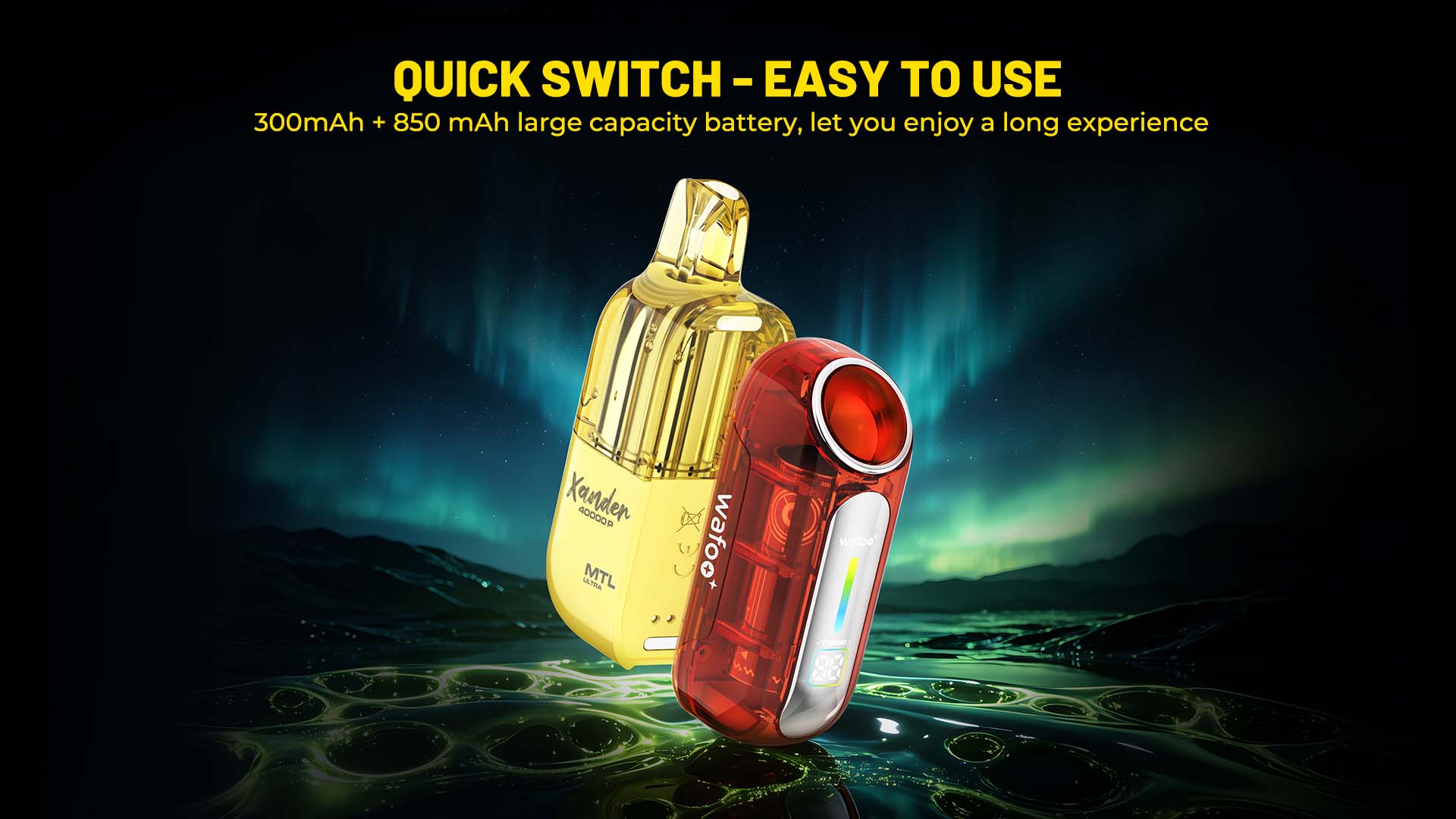
XANDER combines a 15 mL refillable transparent tank with a 300 mAh + 850 mAh battery configuration and a power bank. Its configuration also includes dual mesh coils, 0.8 Ω x 2 resistance, two operating modes, adjustable MTL and DTL airflow, quick charge, and a Type-C port.
The larger liquid capacity extends the refill cycle, while the separate power component adds support without placing the full capacity inside the handheld section. The transparent tank reveals remaining liquid, and the controls accommodate different draw preferences.
The limits still need clear communication. Up to 40,000 puffs is an upper-limit figure, not a fixed outcome for every user. Actual results vary with draw duration, operating mode, airflow selection, use frequency, and e-liquid consumption. For wholesalers comparing a high capacity pod vape, this distinction supports more accurate training and fewer unsupported promises.
Choosing Through System Balance
A larger tank is useful only when the power structure supports the intended cycle. A strong refillable pod proposition depends on visible liquid capacity, suitable coil and airflow controls, clear battery roles, and a charging routine that can be demonstrated.
Wafoo develops several device formats for different channel needs.
Product teams can review its pod system portfolio when comparing capacity levels, charging structures, and retail positioning.
Planning a Pod Program With Clear Power Requirements
Before requesting a final configuration, distributors should define the target tank capacity, draw style, charging expectations, flavor plan, nicotine requirements, packaging, and destination market. Discuss the project requirements with the product team to assess whether this format fits the planned channel and assortment.
FAQ
Q: Is a vape power bank the same as a larger built-in battery?
A: No. A larger built-in battery stores energy inside the handheld device and may affect size and weight. The separate support component keeps part of that energy outside the device. Its charging and connection method depends on the design.
Q: Does a larger pod vape battery guarantee more puffs?
A: No. Battery capacity is only one factor. Resistance, power mode, airflow, draw duration, use frequency, and charging losses affect the result. Puff figures should be treated as test-dependent upper limits rather than universal outcomes.
Q: What should buyers confirm before ordering a high capacity pod vape?
A: Buyers should verify tank capacity, battery architecture, resistance, modes, airflow controls, charging port, package contents, flavor and nicotine options, labeling, and destination-market materials. Samples should also be tested under conditions that reflect the intended channel.