
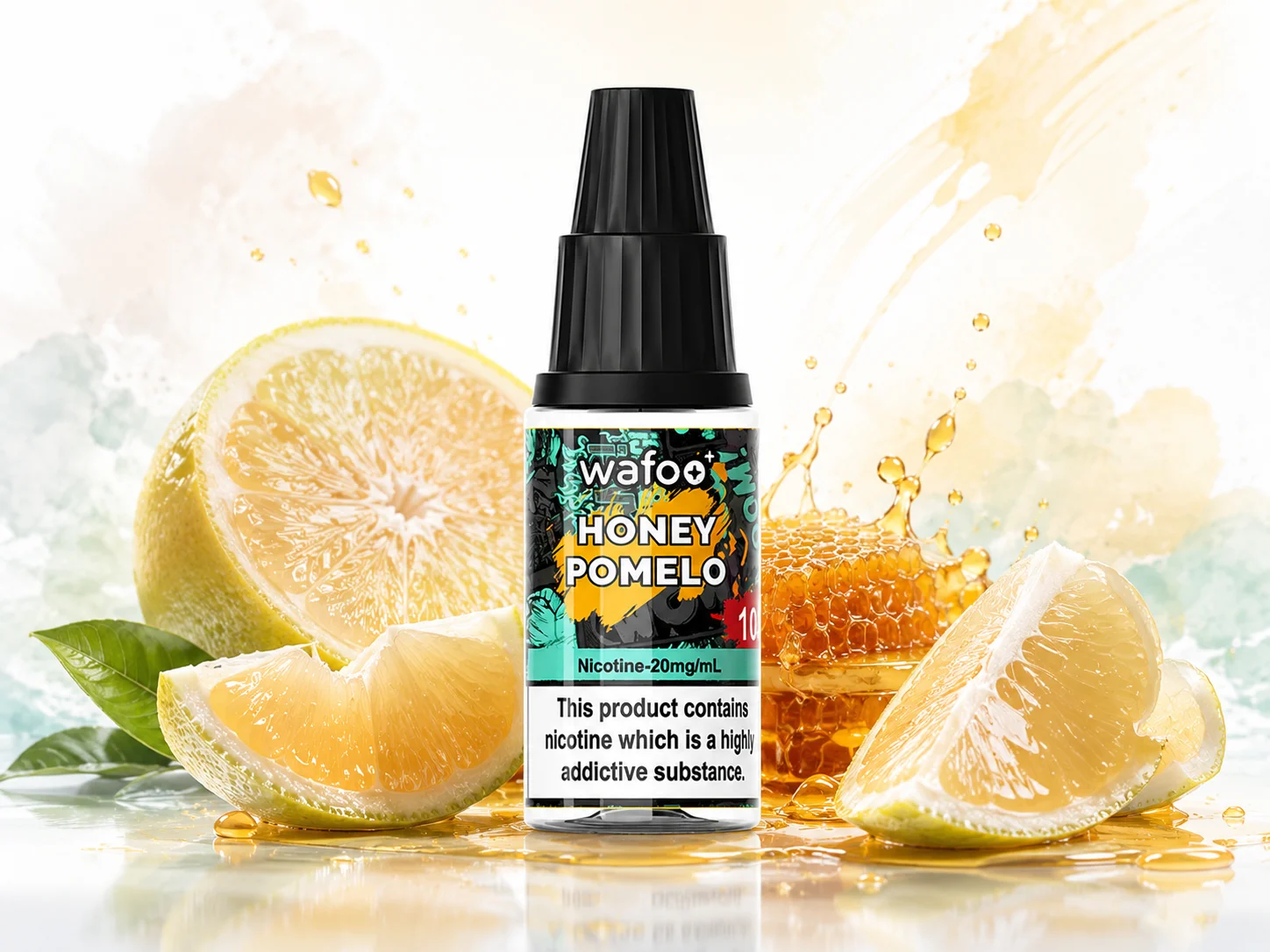
Un cliente que toma una botella de 10 ml generalmente se fija primero en el nombre del sabor. Frambuesa Azul y Uva suena diferente a Mermelada de Fresa, y Ositos de Goma sugiere un sabor más dulce antes de abrir la tapa. Pero el sabor es solo la primera pista. Los pequeños detalles que lo rodean determinan si el líquido es compatible con el dispositivo, la sensación en la garganta y las expectativas del primer uso.
Es por eso que etiquetas de líquidos para vapear Tienen más importancia de la que muchos les atribuyen. Una etiqueta clara permite a la tienda responder preguntas rápidamente sin necesidad de abrir el envase, y ayuda al distribuidor a evitar devoluciones innecesarias debido a problemas con el sabor, la concentración de nicotina y la compatibilidad con el dispositivo.
No conviertas la etiqueta en una ficha técnica. En un frasco pequeño de 10 ml, el orden útil suele ser el que sigue una persona: primero el sabor, luego la concentración, después la proporción o la indicación de compatibilidad con el dispositivo, el tamaño del frasco y las advertencias. Si el dependiente tiene que girar el frasco bajo la luz para encontrar alguna de esas líneas, ese detalle ya está en el lugar equivocado.
El problema opuesto se manifiesta silenciosamente. Se culpa a un buen sabor porque el cliente no notó la intensidad. Se culpa a una cápsula porque el líquido no era el adecuado. Un estante de la tienda parece lleno, pero el personal aún necesita revisar cada botella para responder una pregunta básica.
El nombre del sabor es solo la primera pista.
El nombre del sabor genera la primera impresión. Melocotón, kiwi y lichi le indica al cliente que la botella no es una mezcla tropical cualquiera. Piña, mango y melocotón suena más fresco y con un sabor a fruta más intenso que una simple etiqueta de mango. Estas pequeñas decisiones en los nombres permiten que alguien examine una fila de botellas sin tener que preguntar por cada referencia.
El problema es que un buen nombre puede ser engañoso. Un comprador puede elegir dos botellas con sabor a frutas y esperar que se comporten igual, para luego darse cuenta de que una es un líquido con sales de nicotina y la otra está diseñada para una calada más suave y prolongada. El dulzor, la intensidad y la compatibilidad con el dispositivo no se reflejan en el nombre del sabor, pero sí se notan inmediatamente en la primera calada.
Ahí es donde queda claro etiqueta del líquido para vapear Se gana su lugar. Mantén el sabor a la vista, pero deja suficiente espacio para las pequeñas líneas prácticas para que la botella equivocada no salga de la tienda. En una tienda real, el personal debería poder señalar una sola vez, no girar la botella y llamar a alguien para que descifre la nota de identificación.
La nomenclatura de los sabores también ayuda a las tiendas a crear grupos sencillos. Un estante de frutas, uno de dulces y uno de productos refrigerados facilitan la compra, en comparación con una hilera aleatoria de botellas de colores. La etiqueta es la primera señal de esa agrupación.
La potencia de la nicotina necesita un lenguaje sencillo.
Los clientes habituales suelen fijarse en la graduación alcohólica antes de leer cualquier otra cosa. Los compradores primerizos son menos predecibles; muchos se fijan primero en el diseño, el color o el precio. Si el número de graduación es pequeño, está oculto entre un dibujo o en un rincón poco visible, una botella atractiva puede, aun así, llevar a la venta a un cliente indeseable.
Cuando un miembro del personal está utilizando un guía de sales de nicotina En el mostrador, la línea de concentración debe ser fácil de identificar con el dedo. Los líquidos con sal y los de base libre pueden tener texturas diferentes, incluso cuando el tamaño de la botella parece idéntico. La etiqueta debe facilitar esa identificación en diez segundos, no después de una larga búsqueda entre el diseño.
Aquí es donde las etiquetas de los líquidos para vapear deben ser prácticas. Una gama de sabores puede resultar atractiva a primera vista, pero la intensidad del sabor protege la venta tras la primera calada. Si un usuario esperaba un sabor más suave y experimenta un golpe de garganta más fuerte, la etiqueta del frasco se convierte en parte de la queja.
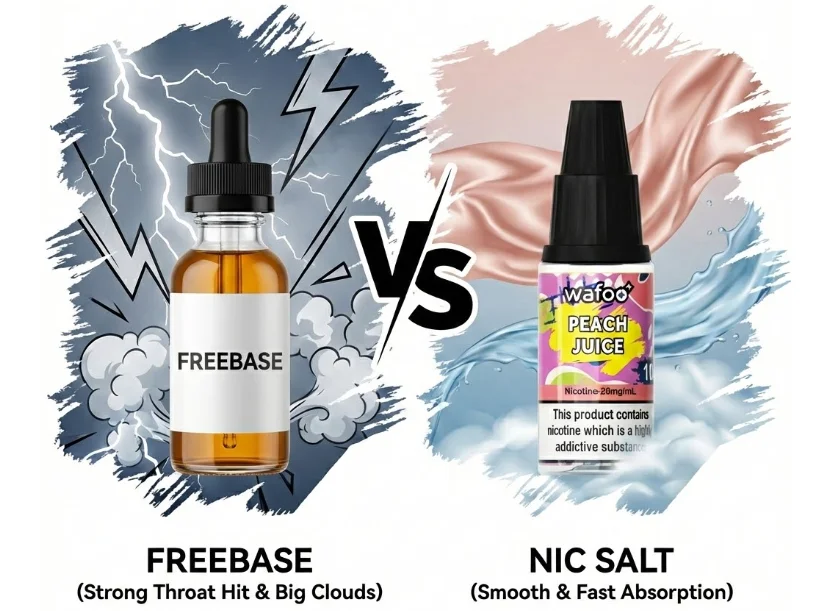
Notas PG/VG: Evite la identificación incorrecta del dispositivo.
La línea de proporción nunca será la parte más atractiva de la etiqueta. Sin embargo, es la que puede salvar un pequeño pod de una mala combinación. Aquí confluyen el PG, el VG, el dulzor, la sensación en la garganta y la absorción. Un pod recargable compacto puede resultar problemático con un líquido espeso que un dispositivo más grande, tipo vaporizador, maneja sin problemas.
A Guía de proporción PG/VG Se puede explicar la versión más larga lejos de la botella. En la etiqueta, la tarea es más sencilla: dar una pista rápida antes de que el cliente compre. Cuando falta esa pista, el problema suele reaparecer con caladas secas, sabor débil o un líquido demasiado denso para el dispositivo.
Con botellas de 10 ml, el espacio disponible es limitado. La jerarquía de la etiqueta debe ser estricta: primero el sabor y la intensidad, luego la proporción, el tamaño de la botella y, muy cerca, las instrucciones de uso. Si estos detalles se encuentran en un folleto o una hoja adicional, muchos clientes no los verán hasta el primer llenado.
Lo que añade una etiqueta en el estante junto a la botella
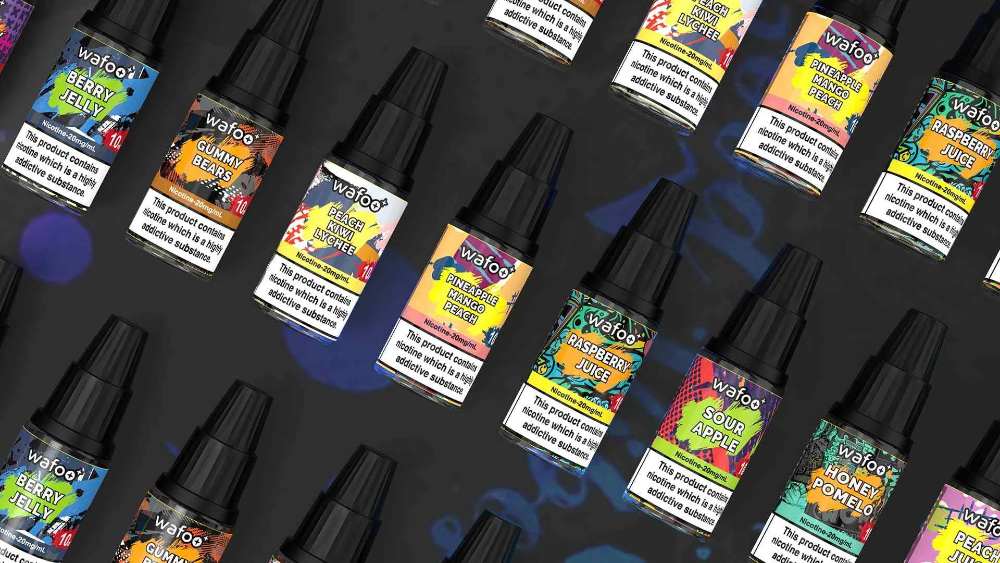
La etiqueta de la botella es para el usuario que sostiene el producto. La etiqueta del estante es para la persona que compara varios sabores a la vez. Son funciones diferentes. Una etiqueta de estante puede agrupar sabores como frambuesa azul y uva, mermelada de fresa, ositos de goma y melocotón, kiwi y lichi en perfiles de frutas, dulces y mixtos, mientras que la botella indica la intensidad exacta y los detalles de la botella.
Esta división ayuda a las tiendas a evitar que las botellas se amontonen. Las etiquetas de las botellas de vapeo se mantienen limpias, mientras que la ficha del estante responde a preguntas más importantes: dulce o refrescante, apto para principiantes o con una sensación más intensa en la garganta, qué tipo de cápsula recargable recomienda y si el sabor pertenece a un paquete de muestras.
Para los distribuidores, una hoja de notas para la etiqueta también puede ayudar a los equipos de ventas a mantener la coherencia en las traducciones y los requisitos específicos del mercado. Esto resulta especialmente útil cuando la misma gama de sabores se vende a través de diferentes canales.
Una buena hoja informativa puede incluir la etiqueta frontal de la botella, la familia de sabores, la indicación de la intensidad del sabor, el tipo de dispositivo recomendado y dos breves puntos clave para que el personal los explique. Esto proporciona a cada tienda el mismo punto de partida, a la vez que deja espacio para la normativa local.
También facilita la gestión de pedidos. Una tienda puede saber qué detalle de la etiqueta generó dudas, no solo qué sabor se vendió más rápido.
¿Dónde encaja el líquido electrónico Wafoo en una conversación más clara sobre el tema?
Wafoo E-líquido Ofrece a las tiendas un producto compacto para iniciar la conversación: botellas de 10 ml, nombres de sabores visibles y una gama de sabores que incluye frambuesa azul y uva, mermelada de fresa, ositos de goma, melocotón, kiwi y lichi, y piña, mango y melocotón. El producto no necesita una explicación complicada si la etiqueta y la nota en el estante funcionan en conjunto.
Una disposición práctica en el estante puede mostrar primero la familia de sabores, luego la intensidad y, finalmente, el dispositivo adecuado. El personal puede señalar la botella, mostrar la etiqueta del estante y explicar por qué un cliente que prefiere un perfil afrutado refrescante podría no preferir la misma opción que alguien que busca un toque de caramelo suave.
Para la preparación al por mayor o al por menor, los equipos pueden solicitar la lista de sabores, las notas de la etiqueta de la botella y la hoja de explicación del estante a través de Soporte de productos Wafoo Esa solicitud es más útil que una consulta genérica sobre el producto, porque le indica al proveedor exactamente lo que necesita el departamento de ventas.
Preguntas frecuentes
P1: ¿Qué debería mostrar primero la etiqueta del líquido para vapear?
A1: El orden más útil es: nombre del sabor, concentración de nicotina, tamaño del frasco y notas sobre la compatibilidad con el líquido o el dispositivo. Las advertencias obligatorias y los detalles específicos del mercado también deben ser claros y legibles.
P2: ¿Las etiquetas de los líquidos electrónicos son diferentes de las etiquetas de los estantes?
A2: Sí. Las etiquetas de los líquidos electrónicos permanecen en la botella y contienen información precisa del producto. Las etiquetas en los estantes ayudan a los usuarios a comparar familias de sabores, dulzor, efecto refrescante y compatibilidad con dispositivos cuando varias botellas están juntas.
P3: ¿Por qué son importantes las etiquetas de los frascos de cigarrillos electrónicos para las ventas recurrentes?
A3: Las etiquetas claras reducen la elección de la concentración incorrecta, la confusión de sabores y la incompatibilidad de dispositivos. Cuando la primera botella es fácil de entender, la siguiente compra es más sencilla de repetir.