The messy part usually starts with a reasonable intention. A little e-liquid appears at the base, so someone reaches for water, alcohol, or a pointed tool. The pod looks cleaner for a moment, then the draw changes because moisture has reached the wrong place. Another common mistake is filling a pod immediately after rinsing it and carrying the last flavor, plus a trace of water, into the next refill.
The answer to how to clean a vape tank is less dramatic than many online tips make it sound. Wipe the surfaces a user can safely reach, keep the pod cavity and contacts dry, and stop when the problem points to a worn pod or coil. Cleaning should remove residue; it should not turn a working refillable pod into a science experiment.
Start by Identifying What Actually Needs Cleaning
One wet mark can come from several places. Condensation may be sitting at the mouthpiece, a fill port may have left a smear on the outer tank, or the pod base may have picked up liquid where it meets the device. Those spots look alike at a glance, but they need different checks.
For ordinary vape tank cleaning, begin with the device switched off and the pod removed if the product instructions allow it. Use a dry, lint-free cloth or a dry cotton swab on the outside of the tank and around the pod cavity. Do not pour liquid into the cavity. Do not use a metal pick to scrape the contacts. If residue is only on the outside, a dry wipe is usually the appropriate first step.
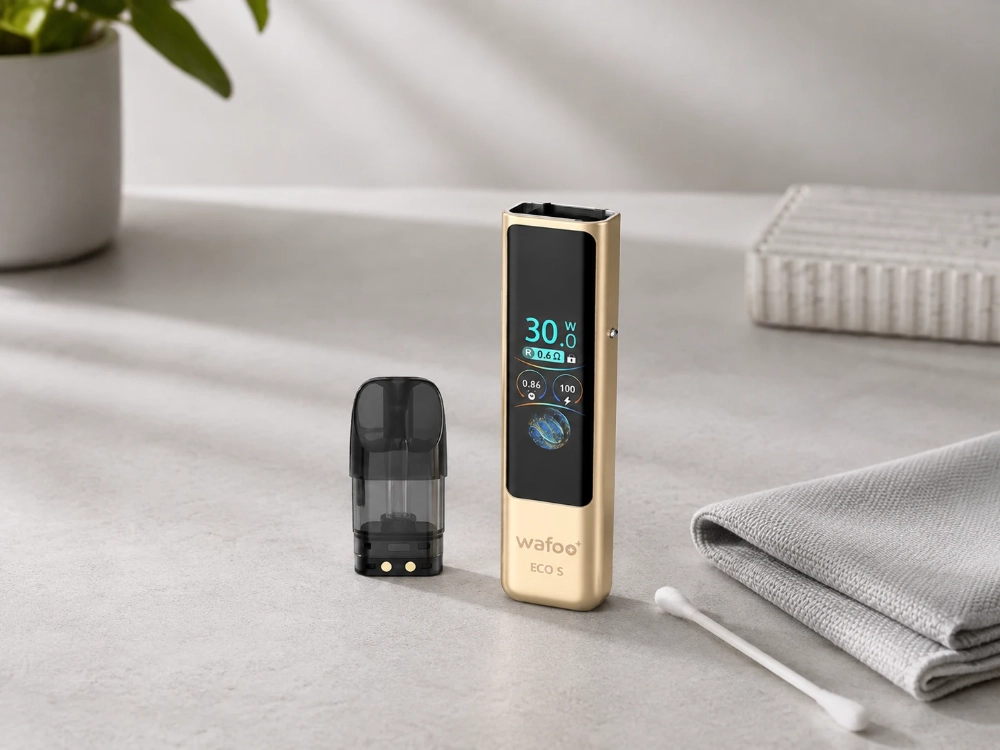
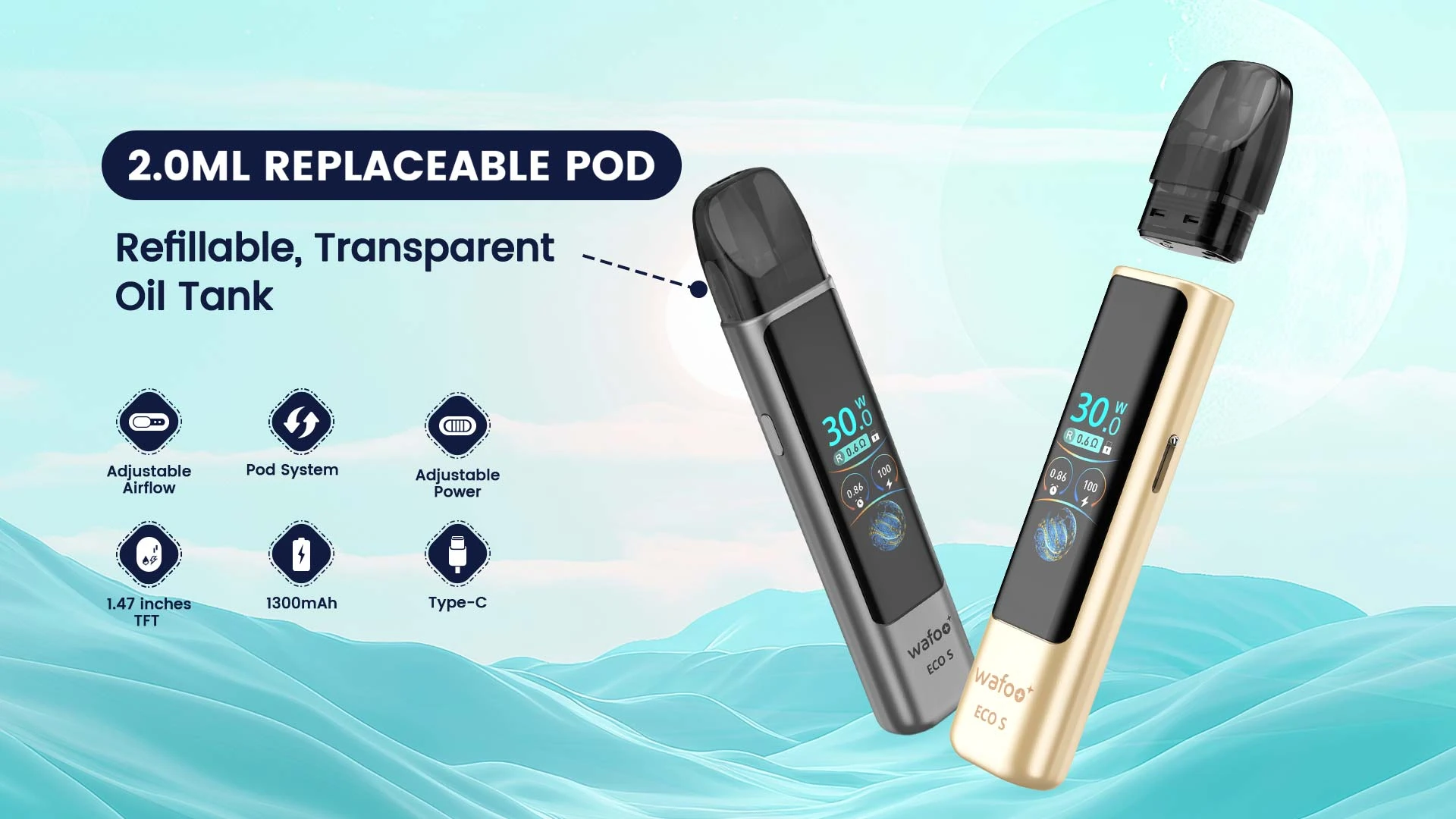
The ECO S refillable pod kit makes this inspection straightforward. Its transparent 2.0 ml side-filling pod exposes the liquid level and fill area, while the removable pod separates the tank from the device body. A dry cotton swab around the pod base and cavity is enough for routine residue. The point is not to make the pod look laboratory-clean; it is to keep the contact area dry before the pod goes back in.
Clean the Tank Exterior, Then Protect the Connection
The second step is to clean a refillable pod in the right order. First wipe the mouthpiece and outer tank. Next inspect the pod base, especially if a small amount of e-liquid has collected there after filling. Only then check the device cavity. This sequence keeps a dirty cloth or swab from carrying liquid from the tank surface straight into the battery connection.
To clean a refillable pod after a small spill, remove it from the device first and deal with the exterior before touching the cavity. A dry cloth at the fill port and base is enough for ordinary residue. Trying to flush the inside of a sealed pod usually creates more uncertainty than it removes.
If the tank is empty and a flavor change is planned, do not assume that washing is the fastest route to a neutral taste. A refillable pod can hold residue in the wick and coil area. Water left behind can dilute the next fill or create a damp, muted draw. In many pod systems, a clean flavor change is better handled by using a fresh, compatible pod or allowing the current fill to finish naturally, depending on the product design.
That distinction is important for retailers. A customer asking for a “tank clean” may actually be asking how to avoid mixing flavors. The helpful answer is to separate surface care from replacement decisions. Surface care removes visible residue. It does not reset a used coil as though it were new.
Keep the Side-Fill Area Tidy Before Reinserting the Pod
Side filling is convenient, but it creates one routine task: after sealing the fill port, look for liquid around the opening before the pod goes back into the device. A small wipe at that moment is easier than letting liquid transfer to the pod base or cavity later.
Refillable pod maintenance works best when it is tied to the moment of use rather than postponed until something goes wrong. After filling, close the port firmly, wipe the area, check that the pod is fully seated, and leave the device upright for a short time if the pod has been newly filled. This is not a complicated protocol. It simply reduces the chance that a rushed refill becomes a mysterious wet connection later.
The same refillable pod maintenance habit helps when a device is moved between a counter, bag, and car. A quick check of the seal before it travels is more useful than discovering a wet pod cavity at the next stop. It also gives staff a simple, believable care instruction instead of a long list of cleaning products.
The ECO S combines its side-filling layout with adjustable airflow and a 15 W to 30 W range. Those controls are useful only when the pod is seated cleanly and the connection is dry. If the device begins to behave differently after a refill, first recheck the physical basics before changing power or airflow settings.
Know When Cleaning Is No Longer the Answer
Some signs are telling you to stop cleaning. A burnt taste that stays, an unstable draw, repeated leaking from the same pod, or a damaged seal points to a replacement decision. Scrubbing a worn component only uses up time and can hide the real reason the device is misbehaving.
Contacts need a little more care than the tank surface. To clean vape contacts, remove the pod, switch the device off, and use a dry cotton swab with a light touch. Let the cavity stay fully dry before reinserting the pod. Corroded, bent, or permanently stained contacts are a reason to stop using household cleaners and ask the seller for the correct next step.
After any refill that leaves liquid at the base, clean vape contacts only after the pod has been removed and the device is off. There should be no visible moisture on the swab or in the cavity before the pod goes back in. That small pause protects the connection more reliably than repeated wiping during use.
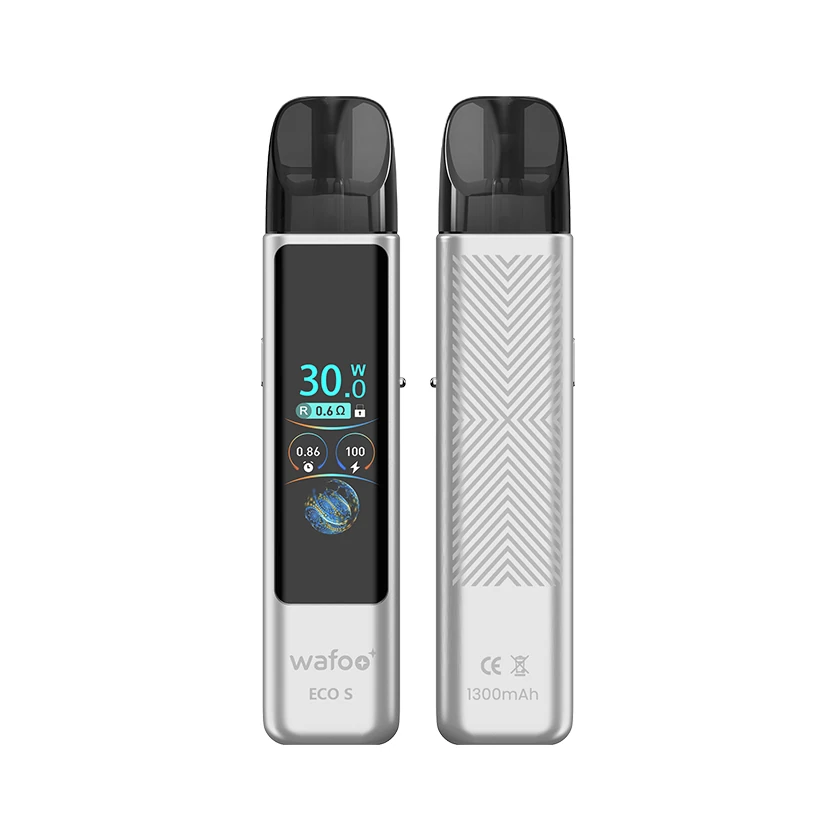
For a shop or after-sales team, this distinction is easy to explain at the counter: a dry wipe handles residue around the fill port and connection, but it cannot renew a coil that has a burnt taste or a seal that leaks every time. ECO S also gives the user adjustable airflow and 15 W to 30 W power, so those settings can be checked after the pod is clean and seated. They are useful operating controls, not substitutes for a damaged consumable.
Conclusion
Knowing how to clean a vape tank is mostly about restraint. Wipe visible residue, keep the pod cavity and contacts dry, and do not confuse a clean exterior with a reset coil. The right routine is short enough to follow after every refill and specific enough to avoid creating a new problem.
To review the side-filling pod layout and care guidance, see the refillable pod kit. For replacement, configuration, or wholesale questions, reach the team through the WAFOO contact page.
FAQs
Q1: Can I rinse a refillable vape tank with water?
A1: Do not rinse a powered pod device or its electrical cavity. For a refillable pod, follow the product-specific care guidance. In routine use, dry wiping the exterior, pod base, contacts, and cavity is the safer maintenance step.
Q2: How often should vape tank cleaning be done?
A2: Wipe visible residue after refilling and inspect the pod base whenever it is removed. A deeper response is only needed when there is a clear issue such as repeated moisture, a poor fit, or a flavor change that indicates a worn pod.
Q3: Why does a freshly cleaned pod still taste like the previous flavor?
A3: Liquid can remain in the wick and coil area even when the outer tank looks clean. Cleaning the exterior cannot remove that residue completely. A fresh compatible pod is often the more reliable route when a clean flavor change is important.