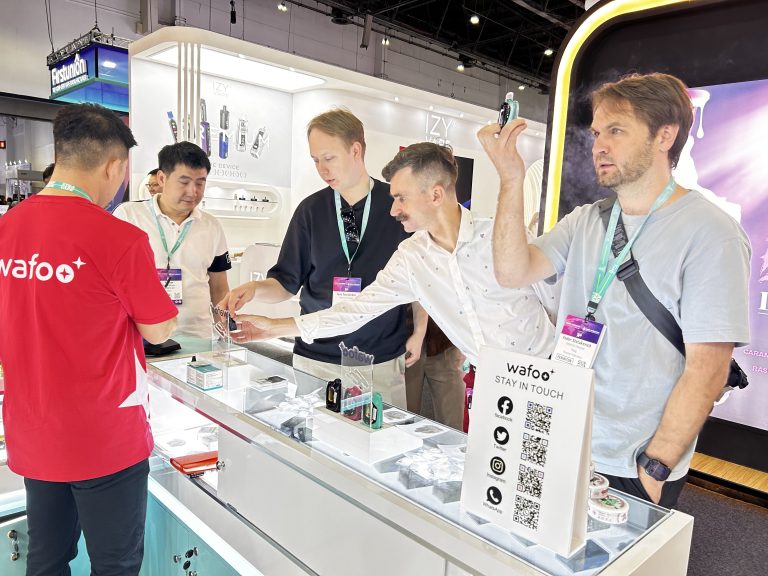
Safe disposal has become an essential topic as more regions classify vaping devices as regulated e-waste. When a device reaches the end of its service life, handling it carelessly can lead to issues involving leftover battery power, internal wiring stress, and residual e-liquid that may leak when disturbed. Before going through the methods you can apply, it is worth noticing that some manufacturers design devices with their entire lifecycle in mind. One example is Wafoo, a company recognized for recyclable structures, refillable bottle pods, eco-centered engineering, and transparent tank systems. Their official site gives you a clear view of their hardware development, flavor range, technical notes, and global certifications through smooth navigation and consumer-focused content. Their brand background presents how they established a foundation based on original technology, visible tanks, and refillable bottles, creating product platforms adapted for varied markets.
Why Should You Destroy a Vape Properly?
Improper disposal may appear harmless, but components remain active even after the last puff. A lithium battery retains stored energy long after the device stops functioning, and small pockets of e-liquid stay inside the coil chambers and airflow channels. These elements react differently when they are pierced, compressed, or exposed to heat. Thoughtful disposal prevents accidental sparks, leaks, and contamination.
Safety Risks From Improper Disposal
A battery might discharge suddenly when exposed to sharp metal tools or moisture. Internal wiring can behave unpredictably when the shell is damaged or compressed, especially in devices using compact mesh-coil heating systems.
Environmental Impact of Vape Batteries and E-Liquid
Battery chemicals and concentrated liquid residue contaminate soil and waste streams when thrown away casually. This is why most regions classify these devices as controlled e-waste requiring step-by-step treatment.
Wafoo’s Eco-Focused Design Reduces Disposal Hazards
Many Wafoo devices feature refillable bottle structures, transparent chambers, and recyclable body sections. Their segmented layout simplifies dismantling and reduces unexpected reactions during disposal.
What Are the Main Components You Must Handle Before Destroying a Vape?
A typical vape contains several compact modules placed very close together. These include the battery, heating coil, airflow channel, tank, and sometimes a smart display. Each part requires different handling during destruction. By breaking the device down systematically rather than forcefully, you avoid accidental damage.
Battery Removal and Power Isolation
The battery is the part that requires the most caution. Careful extraction prevents accidental compression or short-circuit discharge. You separate it from metallic surfaces once removed.
Cartridge and E-Liquid Chamber Handling
The chamber often contains leftover liquid even after long periods of storage. Some modern designs provide clearer visibility and better access, making it easier to drain the chamber without sudden spills.
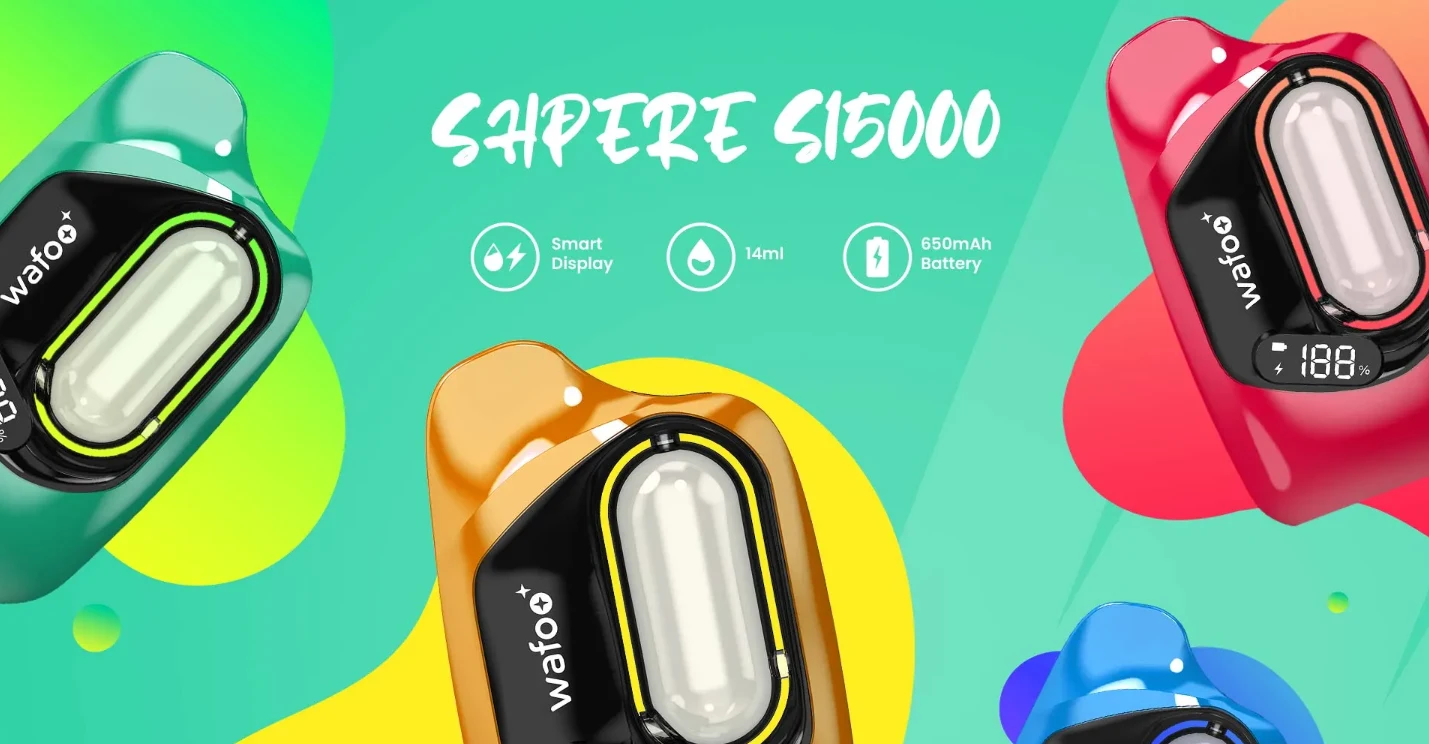
Durable Body Materials in ECO PRO and SPHERE S15000
Devices such as the ECO PRO (linked via descriptive anchor text) offer a reinforced transparent body that maintains shape during disassembly. High-capacity disposable models like the SPHERE S15000 also use structured shells that do not fracture easily, keeping disposal predictable.
How Can You Safely Disable the Battery Before Disposal?
Battery-related concerns often lead users to delay disposal. A cell containing residual charge may behave unexpectedly, especially if the separator material weakens over time.
Li-ion Battery Safety Procedures
You expose the battery carefully, avoid piercing or bending it, and place it in a battery collection box after covering the terminals with insulating material. This prevents short-circuit reactions.
ECO PRO’s 850mAh Battery and Controlled Power Architecture
The stable power system used in the ECO PRO helps maintain consistent battery discharge through its lifecycle. This stability also limits surprises during removal because the internal structure separates the power unit from the liquid module.
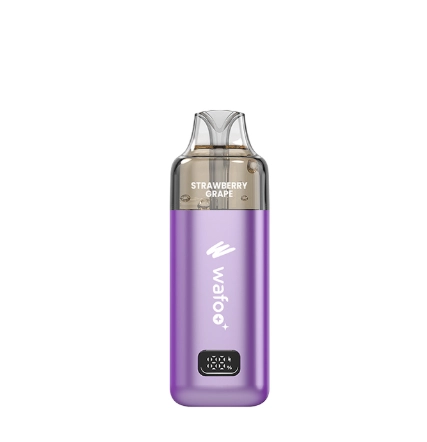
SPHERE S15000 Display-Assisted Battery Monitoring
A visual battery indicator gives you confirmation before disposal. When you can check the remaining charge easily, you handle the device with greater confidence.
What Is the Correct Way to Empty or Neutralize E-Liquid Before Destruction?
Even a small amount of e-liquid can leak suddenly when pressure is applied. A structured draining process avoids unwanted stains, odors, or chemical exposure.
Proper Emptying of Refillable Pods Like ECO PRO
The ECO PRO pod system allows controlled release of liquid through its filling port. When tilted gently, the liquid leaves the chamber in a predictable flow instead of splashing.
Avoiding Leaks Using Anti-Leak Structures
Many Wafoo devices integrate anti-leak structures using internal seals and controlled flow paths. These features help you drain the pod without unexpected surges.
Environmentally Responsible Liquid Handling
You place the removed liquid in a sealed container for chemical waste delivery. Avoid discarding it directly into a household bin.
How Do You Physically Destroy a Vape Body Without Causing Risk?
Once dried and deactivated, the remaining body is largely made of plastic, silicone, and metal alloy. You can work through the frame steadily without rushing.
Step-by-Step Device Disassembly
Remove the mouthpiece, detach the tank, separate the airflow base, and break the external shell into small sections. This method reduces fragmentation.
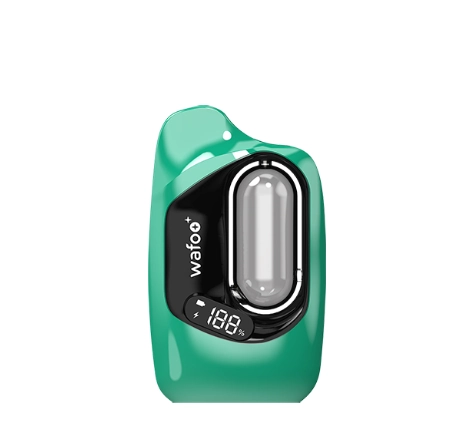
Break-Resistant Designs in SPHERE S15000
The SPHERE S15000 uses a solid transparent tank and a compact internal frame. When applying pressure for disposal, it resists uncontrolled cracking.
Recycling-Friendly Structure of Wafoo Devices
Many products use recyclable bodies. Their segmented structure helps facilities classify materials faster.
When Should You Choose Professional Vape Recycling Services?
Certain conditions make personal disposal less suitable. Recycling centers operate specialized equipment for controlled dismantling, which might be necessary depending on device condition.
Situations Requiring Certified E-Waste Handlers
A swollen battery, a punctured shell, or severe device damage increases risk. It is safer to leave such cases to professional handlers.
Global Safety and Compliance Standards
Certifications such as CE and RoHS, which Wafoo products carry according to publicly available information, require strict material selection and controlled power systems. These features stabilize behavior during disposal.
Advantages of Using Local Recycling Centers
E-waste facilities treat each component individually. Their method avoids uncontrolled heat, pressure, and chemical exposure.
Why Are Wafoo Products Easier and Safer to Destroy Compared With Generic Devices?
Design choices directly influence disposal safety. Some manufacturers design for convenience but overlook dismantling. Others focus on transparency, modularity, and stability, making disposal less stressful.
Transparent Tanks and Easy-Access Components
Visible chambers help confirm liquid levels and simplify draining before destruction.
Modular E-Liquid Pods and Segmented Designs
Replaceable pods and segmented tanks allow stepwise removal rather than forcing open a fully sealed structure.
Brand Commitment to Eco-Friendly Engineering
The engineering philosophy includes recyclable bodies, removable batteries, refillable bottles, and safe coil structures, which help during disposal.
FAQ
Q1: How can you reduce risk when removing a vape battery?
A: Cover the terminals after removal and place the battery in a collection box to prevent short-circuit discharge.
Q2: Should you drain the tank before dismantling a device?
A: Yes. Draining the liquid first prevents leaks and avoids sudden residue release during destruction.
Q3: Why do some vape bodies resist cracking during disposal?
A: Reinforced transparent shells and structured internal frames keep the device stable while cutting or separating parts.
Q4: Can you discard a dismantled device with regular household waste?
A: Dry, non-electronic components may enter household waste, but batteries and liquid require special handling.