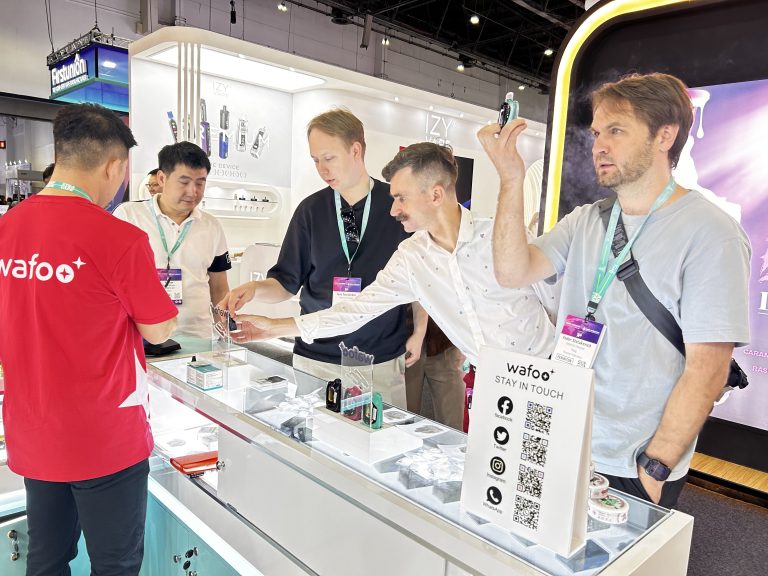
Private label vape manufacturing works best when the buyer confirms the real device behavior before approving logos, carton artwork, or flavor cards. A smart Bluetooth disposable can look strong in a product catalog, but the order still needs a practical check: what functions does the device really offer, how should those functions be written on packaging, and can retail staff explain them without creating extra after-sales questions?
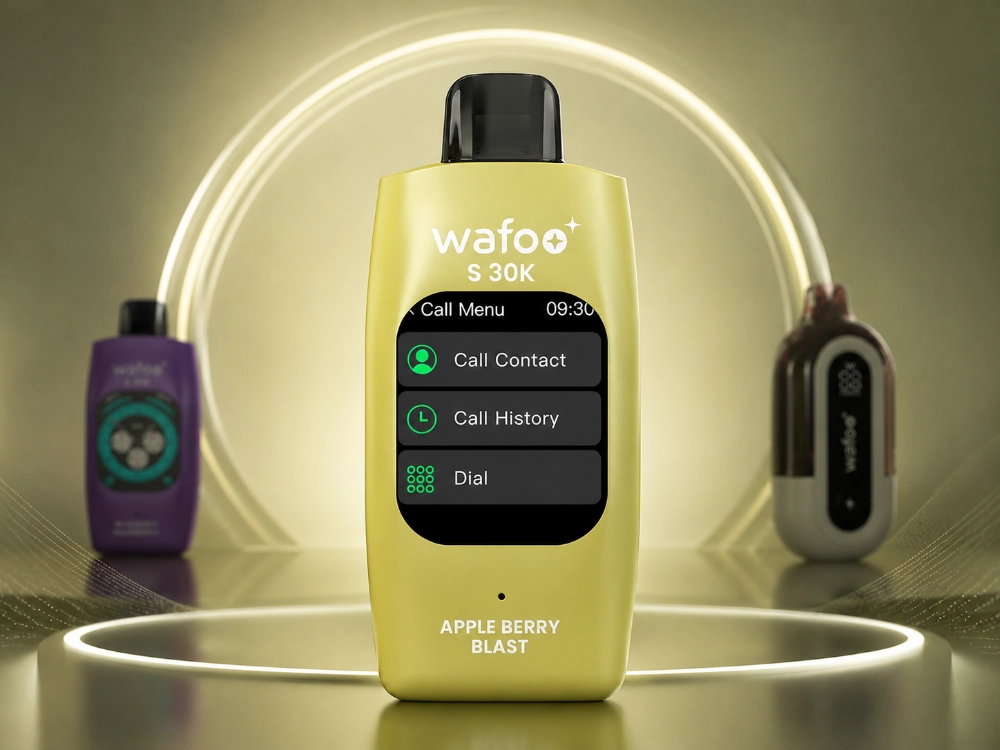
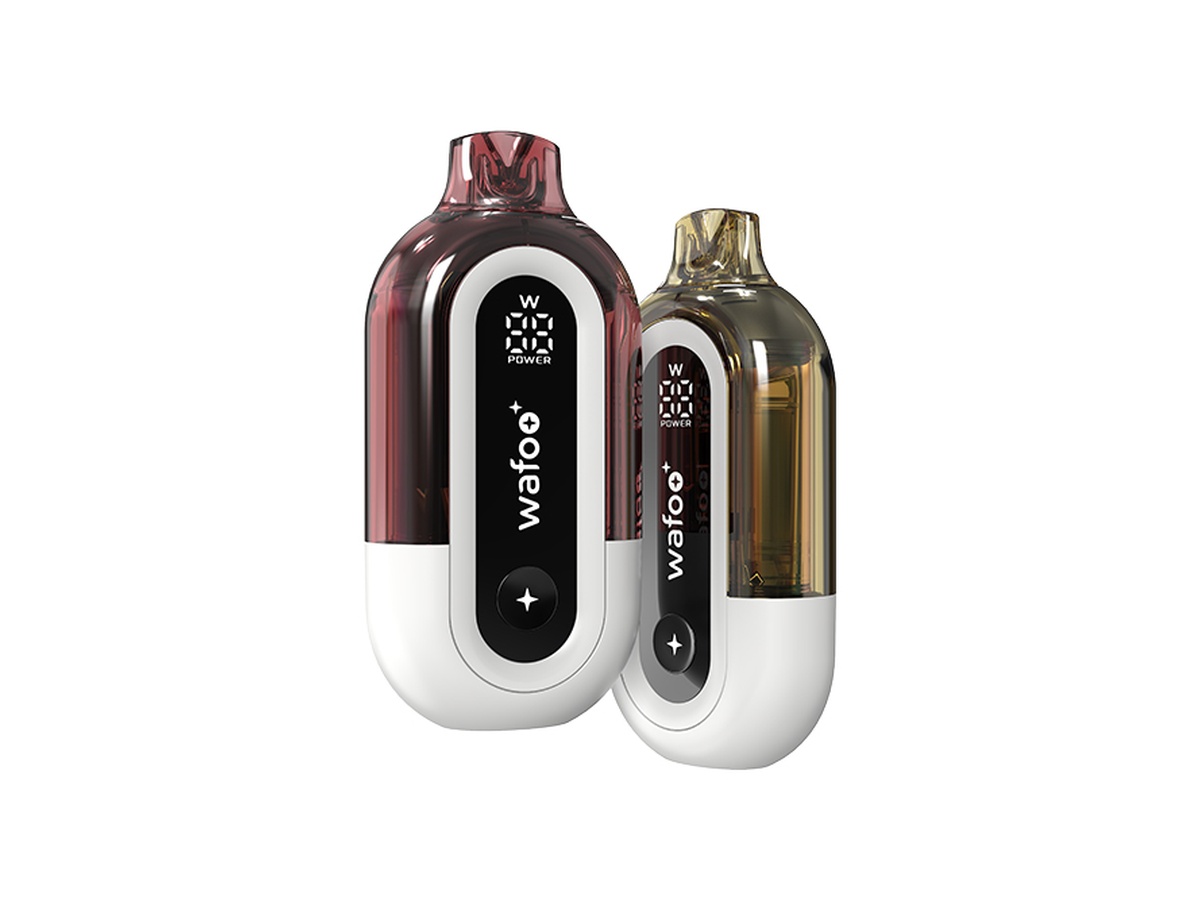
For a brand buyer, the first decision is not “Can this model carry a logo?” That question is too small. The better question is whether the device gives the brand a clear story that can hold up across samples, packaging, sales training, and repeat orders. Wafoo’s S 30K smart Bluetooth disposable vape is a useful starting point because it combines Bluetooth features, music, games, calls, a smart display, 25ml juice liquid, up to 30,000 puffs, and dual mesh coil technology.
A second reference is SPHERE 50K adjustable voltage disposable vape. It goes in a different direction, with a refillable transparent tank, adjustable voltage up to 30W, 20ml e-liquid, 850mAh battery, RGB light, Type-C charging, and up to 50,000 puffs. That contrast helps private label vape buyers decide whether the custom vape project should focus on smart interaction, visible liquid structure, or power control.
Why Should Smart Disposable Specs Be Checked Before Private Label Packaging?
Private label packaging can make a product look finished before the product story is actually settled. That is risky. Once cartons, labels, and sales pages are printed, changing a function claim becomes slow and expensive. Buyers should check the device first, then write the package.
Smart Features Need a Practical Sales Boundary
Bluetooth, music, games, and call functions can help a smart disposable stand out. Still, those functions need plain wording. If a package says too much, the store may spend more time explaining the feature than selling the device. If it says too little, the feature loses value.
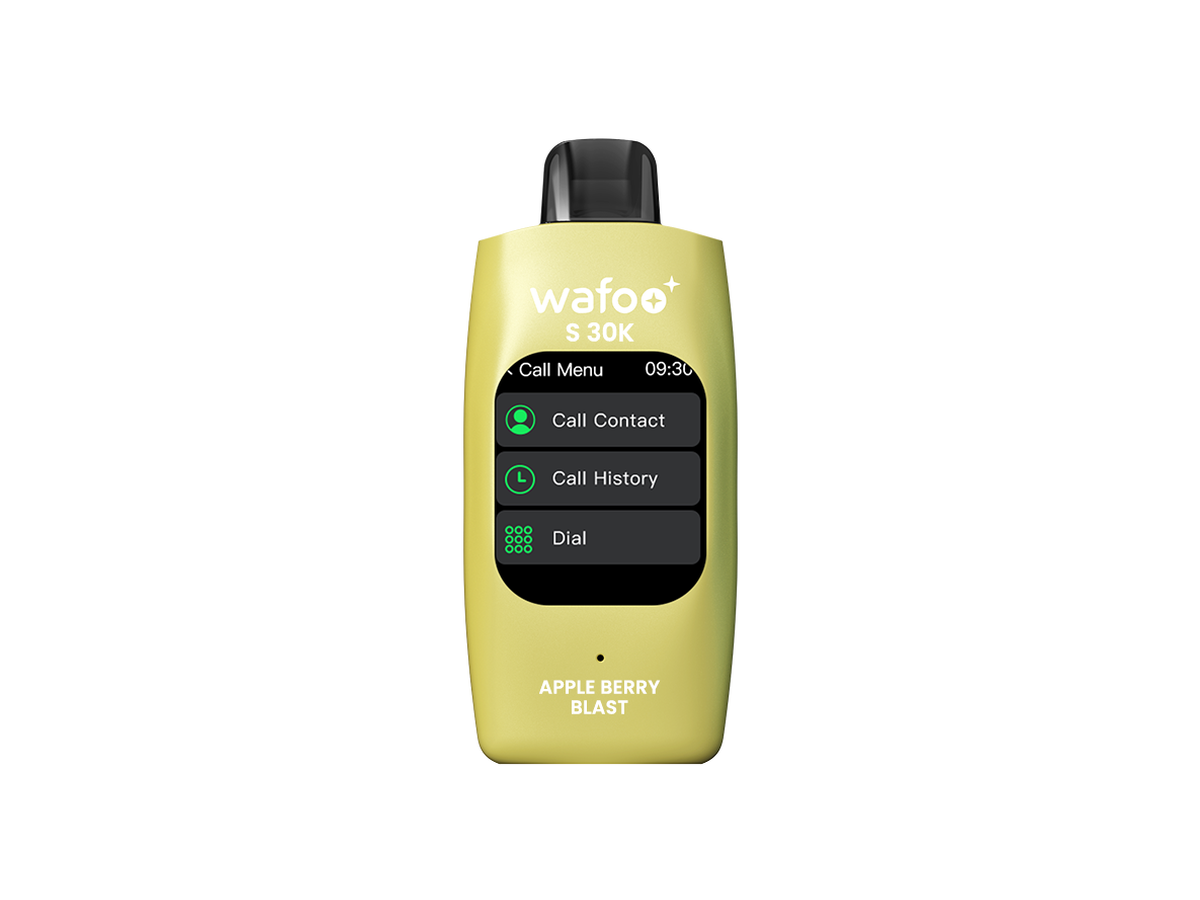
For S 30K, buyers should check the screen menu, Bluetooth pairing flow, and how the call or music function appears during use. The goal is not to turn the product into a phone accessory. The goal is to decide which smart points are strong enough for the carton, shelf card, and online product description.
If a distributor is already preparing a custom vape line for several stores, this is the stage where sample notes matter more than another design mockup.
Device Structure Still Decides Daily Use
A disposable vape is still built around battery power, airflow activation, an atomizer, and e-liquid storage. Smart functions do not replace those basic parts. If the draw feels uneven, the screen is hard to read, or the coil behavior changes too quickly across samples, the private label story becomes weaker.
S 30K gives buyers several real check points: 25ml juice liquid, dual mesh coil, smart display, and up to 30,000 puffs. These are not just numbers. They tell the buyer what to test: draw response, flavor consistency, display clarity, and whether the device still feels simple enough for adult-use retail channels.
Packaging Claims Should Come After Sample Approval
Many OEM vape manufacturer discussions start with “logo, color, and carton first.” That order feels fast, but it can create later trouble. A better sequence is sample test, function confirmation, packaging text, artwork approval, then bulk order.
For a disposable vape manufacturer, this also makes communication cleaner. Instead of asking for “premium packaging,” the buyer can say exactly what needs to appear: Bluetooth function wording, battery or puff display wording, flavor name, nicotine information, warning text, and target-market language.
What Makes S 30K Useful for Smart Private Label Vape Projects?
S 30K fits buyers who want a smart disposable product story rather than a plain high-puff message. The model gives a brand buyer several concrete selling points, but each one should be checked before it becomes part of the brand’s packaging language.
Bluetooth Functions Should Stay Easy to Explain
The strongest smart feature is useful only if staff can explain it in one or two sentences. For S 30K, buyers can position Bluetooth as an added interaction feature, not as the whole reason to buy the product. That keeps the message controlled and more suitable for B2B channels.
A private label vape buyer should test the device in the same way a store would handle it. Can the feature be shown quickly? Does the display make sense? Does the function create questions that packaging can answer? Those answers help the buyer decide whether Bluetooth belongs on the front panel, side panel, or sales sheet.
Dual Mesh Gives Buyers a Real Product Talking Point
Dual mesh should not be used as empty technical decoration. It gives sales teams a way to talk about steadier flavor delivery and heating coverage, especially when the product has larger e-liquid capacity. For distributors, that is more useful than simply saying the device is “advanced.”
The buyer should still test several flavors. A coil structure can support consistency, but flavor feedback depends on liquid profile, user habits, and sample condition. Good packaging copy should stay practical and avoid broad promises.
Smart Display Can Reduce Simple Questions
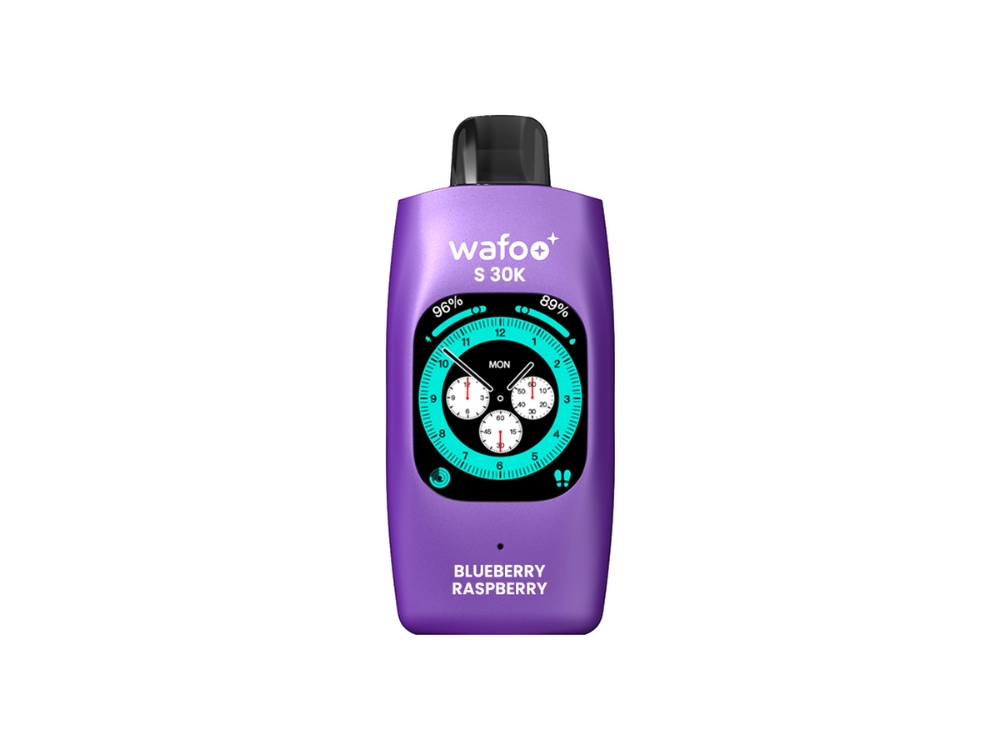
A smart display can help adult users see device information without guessing. For the buyer, the question is whether the screen supports the selling process. Battery level, puff information, and menu cues can be useful, but only if they are easy to read and match the package wording.
This is why a sample checklist should include display clarity. A screen that looks good in a product image may still need hands-on review under store lighting, display cases, and normal handling. For a custom vape project, these small checks often decide whether a feature becomes a real selling point or just another claim on the box.
Where Does SPHERE 50K Fit in a Custom Vape Line?
Not every custom vape project needs Bluetooth. Some buyers prefer a product story around visible liquid, adjustable power, and stronger control. SPHERE 50K gives that type of buyer another route.
Adjustable Voltage Changes the Buyer Conversation
Adjustable voltage up to 30W can help a product feel more controlled and more technical. For a buyer, the value is not the number by itself. The value is the sales explanation: this model gives adult users a more adjustable device experience than a basic fixed-output disposable.
The buyer should check how the voltage is adjusted, how the display presents the setting, and whether the package can explain it without turning the product into a long technical lesson.
Transparent Tank Supports a More Honest Product Story
SPHERE 50K’s refillable transparent tank gives brand buyers a visible structure to work with. Liquid visibility is easier to explain than hidden internal capacity. It can also support cleaner product photos and more direct sales training.
This matters for a private label vape line because visual details help stores answer simple questions. When the product shows more of its structure, the buyer does not need to depend only on puff claims or carton copy.
Type-C and RGB Need the Right Market Position
Type-C charging is easy to explain and useful in many retail settings. RGB light can add shelf appeal, but buyers should decide whether it fits the brand image. A mature adult-use channel may prefer a cleaner product story. A more style-led market may accept stronger visual features.
The safer path is to choose which features deserve front-of-pack attention and which should stay inside the product details. This keeps the product easier to explain and gives the buyer better control over the private label vape manufacturing file.
What Should Buyers Confirm Before OEM Production?
Before a private label vape order moves forward, buyers should turn sample findings into a clear factory file. That file does not need to be complicated, but it should be specific enough to prevent avoidable back-and-forth.
Core Specification Checklist
A checklist helps the buyer compare two models without treating them as the same product with different numbers. It also gives the OEM vape manufacturer a clear way to answer technical and packaging questions.
| Buying Checkpoint | What Buyers Should Confirm | Why It Matters |
| Smart function | Bluetooth, music, games, calls, and menu behavior | Prevents unclear feature claims |
| Display wording | Battery, puff, or function information shown on screen | Helps match package text with real device use |
| Atomization and draw | Dual mesh behavior, airflow response, flavor stability | Supports sample approval before bulk order |
| Power and charging | Battery notes, Type-C use, voltage setting if applicable | Reduces simple after-sales questions |
| Packaging and label | Logo, warning text, flavor name, nicotine detail, market language | Makes the private label file easier to approve |
Sample Notes Should Separate Product and Packaging Issues
A screen issue is not the same as a carton wording issue. A flavor preference is not the same as a device issue. Buyers should separate comments into product function, packaging copy, flavor feedback, and market-label requirements.
If buyers need product authenticity support for downstream retail, Wafoo’s Product Verification page can also be part of the product document conversation. It gives stores and distributors another practical point to explain after the product moves through different sales layers.
Contact Should Start With Clear Order Information
A useful inquiry is not just “send quotation.” It should include the target market, model preference, function priority, expected quantity, packaging language, flavor direction, and sample questions. Buyers comparing several smart disposable options can also review Wafoo before narrowing the custom vape file.
When the model choice and sample notes are already clear, the next message can move faster. That is the right time to use Contact Us with a real project brief instead of a loose product request.
Conclusion
Private label vape manufacturing should not stop at logo placement. Smart disposable products need a clearer process: sample testing, function confirmation, packaging wording, market review, and then factory approval. S 30K is better suited for buyers who want a smart Bluetooth disposable story built around screen interaction, dual mesh, 25ml juice liquid, and up to 30,000 puffs. SPHERE 50K is better for buyers who want transparent tank visibility, adjustable voltage, Type-C charging, RGB light, and a different high-capacity product image.
For brand buyers, distributors, and OEM vape manufacturer projects, the next step is to prepare a focused file before asking for final terms. Model choice, target market, flavor plan, packaging notes, and sample comments will lead to a more useful answer than a general inquiry. That is also where Wafoo becomes easier to evaluate as a disposable vape manufacturer, because the discussion moves from broad claims to specific product checks.
FAQs
Q1: What should private label vape buyers confirm first?
A1: Confirm device functions, sample behavior, packaging claims, flavor direction, and market requirements before artwork approval.
Q2: Is S 30K mainly for buyers who want smart disposable features?
A2: Yes. S 30K fits buyers who need Bluetooth functions, smart display, dual mesh, and a stronger feature story.
Q3: When does SPHERE 50K make more sense than S 30K?
A3: SPHERE 50K fits buyers who prefer transparent tank visibility, adjustable voltage, Type-C charging, and high-capacity positioning.