A refillable pod vape system can look attractive on a shelf, but retailers should check more than appearance before adding it to a product line. Pod capacity, refill design, battery structure, display clarity, flavor support, and replacement logic all affect how easily a product can be explained, sold, and reordered. For vape retailers, the goal is to choose a pod product that fits real customer behavior while giving the store a clearer repeat-purchase path.
Why refillable pod systems are gaining retailer attention
Many stores are moving beyond products that compete only on puff count or low entry price. A reusable structure gives buyers more room to compare long-term value, accessory demand, and user education needs. This is where this product format becomes relevant for distributors and retail buyers who want a more sustainable product story without relying on broad claims.
From single-use convenience to reusable product value
Traditional disposable devices are easy to sell because the message is simple: open, use, replace. Yet that same simplicity can limit reorder depth for retailers. A reusable vape device gives stores more to work with, including replacement pods, refill bottles, flavor rotation, and clearer product education. For adult users who prefer a longer use cycle, this structure can feel more practical than buying a new device each time.
Why structure matters more than puff count alone
Puff count can support sales, but it should not be the only decision point. Retailers also need to check how the pod is replaced, how e-liquid is filled, how the battery is charged, and whether users can see key information during use. A product with a clear structure is easier for staff to explain and easier for customers to accept.
Check pod capacity and replacement design first
Pod design affects the whole retail experience. If the pod is too small, frequent refilling may become a complaint. If the replacement process feels unclear, staff may spend more time solving basic user questions. A replaceable pod vape should make the refill and replacement logic visible enough for both store staff and buyers.
Why pod capacity affects stocking value
Pod capacity shapes how customers judge convenience. A larger pod can reduce refill frequency, while a smaller pod may suit light users or compact devices. For B2B buyers, the key is matching pod size with expected usage, price positioning, and refill demand. A 10ml replaceable pod gives retailers a concrete feature to explain when comparing product lines.
What retailers should check in a pod system
Retailers should check whether the pod is easy to install, stable after placement, and supported by matching e-liquid options. They should also look at whether users can tell when replacement or refilling is needed. The sales message should connect the device body, pod, bottle, battery, and flavor support.
Look at the refill method and leak-control logic
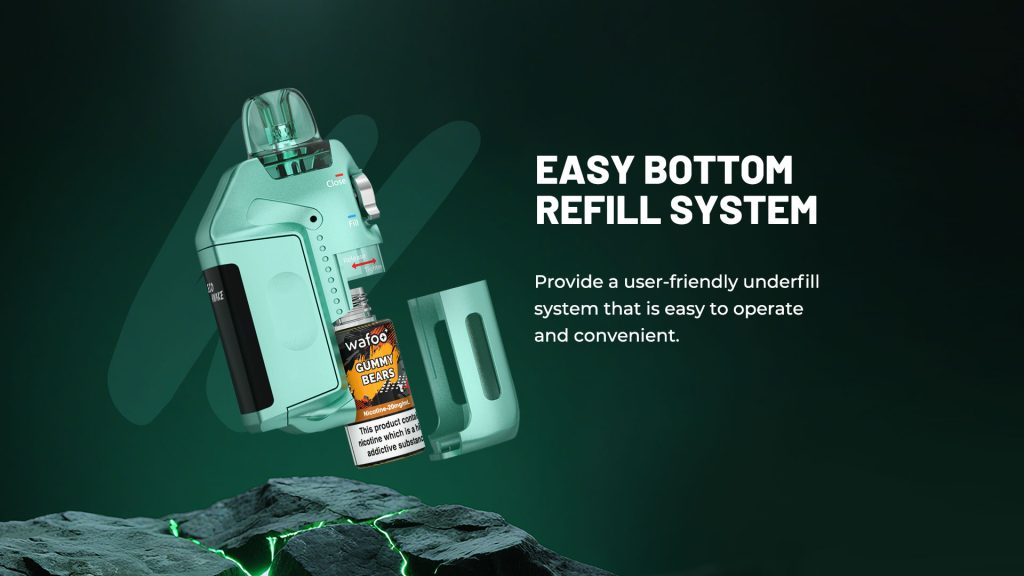
A refillable product can lose value if the refill process creates confusion. This section should be treated as a practical retail checkpoint, not a technical detail for engineers only. Store staff need a simple way to explain how users fill the device, close the liquid path, and avoid common mistakes after refilling.
Why refill steps should be easy to explain
A refillable device needs a refill method that can be taught quickly. If the customer cannot remember the steps after leaving the store, the product may create avoidable after-sales questions. Clear actions such as fill, close, wait, and use are easier to explain than vague instructions. This matters especially for vape retailers that rely on repeat customers and stable shelf turnover.
What a good refill design should reduce
A good refill design should reduce misalignment, backflow, and accidental liquid movement. It should also help users avoid refilling immediately after heavy use if that can increase leakage risk. For retail teams, leak-control logic protects the product experience and reduces the chance that a normal operation issue becomes a return request.
Evaluate battery design before comparing price
Battery design is one of the strongest signals of product value. A low unit cost can look attractive, but poor battery capacity, slow charging, or unclear power information can weaken the customer experience. Before stocking a refillable vape device, buyers should check battery capacity, charging type, and how the device communicates remaining power.
Battery capacity, charging, and replacement logic
A rechargeable device should match modern charging habits. Type-C charging is easier for many users to accept because it fits common charging routines. Battery capacity also affects how often users need to recharge. A replaceable battery vape can support a stronger product story when paired with refillable or replaceable liquid parts. Retail buyers evaluating a replaceable battery vape should check whether replacement logic is easy to explain. For buyers comparing similar devices, battery design can become a meaningful difference.
Check display clarity for battery and e-liquid levels
Display features should not be treated as decoration. A smart display vape is useful when it solves a common user problem: not knowing how much battery or e-liquid remains. For retail products, a smart display vape can lower confusion and make the device easier to recommend.
What useful display information should show
The most useful display information is simple: battery level, e-liquid level, and device status. A battery and e-liquid display can help users judge whether the device is ready before leaving home or making a purchase decision. It also gives sales staff a visible feature to demonstrate during product explanation, which helps in busy retail settings.
Consider flavor flexibility and repeat-purchase potential
Flavor planning is a commercial issue, not just a user preference. Retailers should ask whether a device can connect with stable refill options, replacement bottles, and shelf-ready flavor choices. A pod system that supports flavor rotation can give stores more reasons to bring customers back.
How flavor and replacement parts support planning
For vape retailers, flavor range affects repeat sales and customer retention. A device with replacement bottles or pods can help stores plan related SKUs instead of treating the device as a one-time sale. This supports better shelf organization and makes replenishment easier for vape wholesale buyers.
Where Wafoo ECO AWAKE fits into this checklist
At this point in the buying process, a product example becomes useful. Wafoo develops vaping products with a focus on original design, technology, and sustainability, but the stronger point for buyers is how the product structure answers the checklist above.
A refill, recycle, and recharge structure
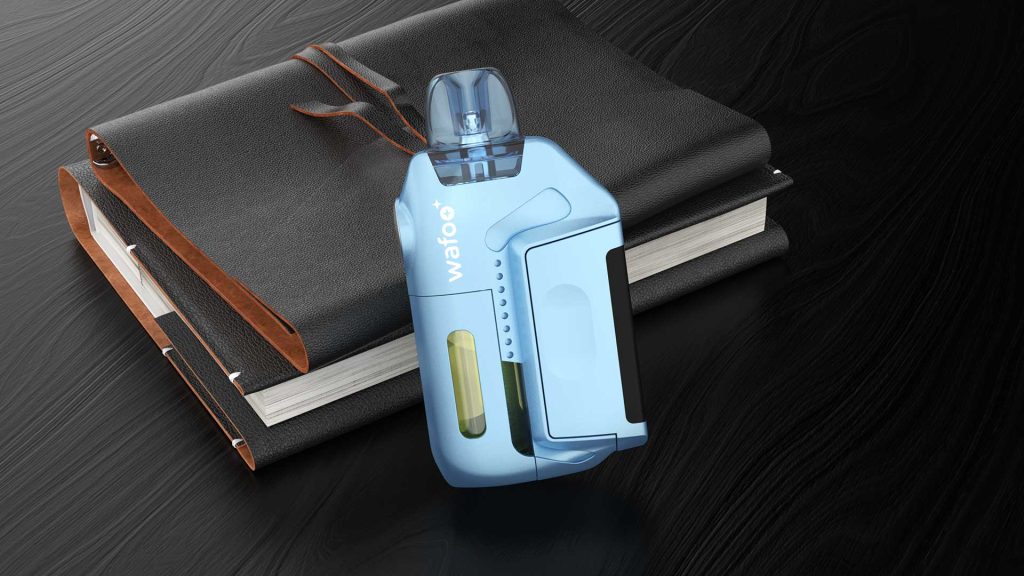
ECO AWAKE is built around refill, recycle, and recharge. Its listed configuration includes a replaceable battery and oil bottle, a 10ml replaceable pod, mesh coil, 900mAh battery, Type-C charging, and 17W output power. It also uses an intelligent display screen for battery power and e-liquid visibility. These features make the device relevant for buyers looking for a reusable vape device with practical replacement logic.
Why this matters for B2B buyers
For distributors and retailers, the product combines refillable use, visible information, battery support, and replaceable liquid parts in one structure. That makes it easier to position for stores that want an alternative to highly similar disposable options. Buyers can also review compatible e-liquid options when planning flavor depth and replenishment.
Final checklist before stocking
Before placing an order, retailers should check the device against a short commercial checklist. Does the pod capacity match the target customer? Is the refill method easy to explain? Can users see battery and liquid levels? Are replacement parts and flavors available? Does the price reflect the total retail value, not only the first unit cost? This system should support both daily use and repeat sales.
Conclusion
A good refillable pod product is not chosen by appearance alone. Retailers need to review pod capacity, refill steps, battery design, display clarity, flavor support, and replacement planning. A reusable vape device becomes easier to sell when each part of the structure helps answer a real customer concern. For retailers, distributors, and wholesale buyers comparing refillable and replaceable product lines, it is worth reviewing how ECO AWAKE fits the stocking plan and market position. To discuss product details, flavor planning, or cooperation terms, send us your stocking requirements.
FAQ
Q: What should retailers check first before buying this type of vape system?
A: Retailers should start with pod capacity, refill method, battery design, display clarity, and replacement support. These points affect daily use, staff explanation, and repeat-purchase potential.
Q: Why does a replaceable pod vape matter for B2B buyers?
A: A replaceable pod vape can help retailers build a clearer product line with device sales, replacement parts, and refill options. This supports stronger shelf planning than a single-use product.
Q: Is a smart display useful in a refillable vape device?
A: Yes, when it gives clear battery and e-liquid information. A smart display helps users judge device status faster and gives retail staff a simple feature to demonstrate during sales.