
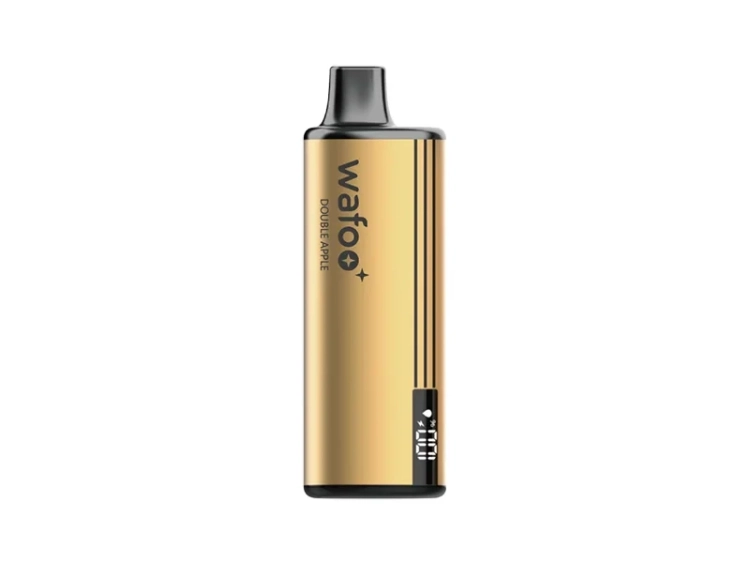
On the proforma invoice, a wholesale disposable vape order looks simple. On the air waybill, it looks very different. Every rechargeable device in the carton carries a lithium-ion cell. That cell turns a consumer-goods shipment into a regulated one the moment it books onto a passenger or cargo aircraft. The cells themselves are small. The trade runs from roughly 550mAh in the entry classics up to 950mAh in the smart-connected tier. Most of the market sits on 650-to-850mAh platforms — the ECO PRO’s 850mAh segmented device, or the SPHERE 20K’s 800mAh Type-C pod system, for example. Small cells are exactly why the rules feel invisible. Then an acceptance depot rejects your pallet over one missing mark or one unsigned charge declaration. This checklist covers what actually governs vape shipments in transit. It covers the documents that must exist before you book, the packaging decisions that survive inspection, and the routing habits that separate an exporter with eleven clean quarters from one with a single memorable incident.
What the Shipment Legally Is — Before It Is Vapes
The first professional habit is describing the shipment correctly in its own terms. Forget the marketing for one minute. For transport purposes, a carton of rechargeable disposables is equipment containing lithium-ion batteries. In the IATA Dangerous Goods Regulations’ vocabulary, that is UN3481. The IATA text is the airline industry’s operational manual, built on the ICAO Technical Instructions. How those rules treat your cargo hinges on one number: the watt-hours of the cells inside. Run the arithmetic once and keep it on file. A 950mAh cell at 3.7V nominal is about 3.5 watt-hours. Even the trade’s largest ordinary cells sit below five. That is far under the 100Wh line, and 100Wh is where a lithium-ion battery becomes a fully regulated dangerous good. Your shipment instead lives inside the excepted-equipment provisions. That regulatory lane is what lets the whole category fly at commercial scale. But the exception is conditional. Meet every condition attached to it and it carries you. Assume the conditions and the lane collapses at the counter.
Non-Rechargeable Devices Are Not Exempt
Non-rechargeable disposables contain the same cell architecture. The single-use classics without a Type-C port are no exception — the word “disposable” changes nothing in the transport classification. A dead-to-the-world device still flies as equipment containing a lithium cell. Programmes that route them on different logic usually learn this at the screening queue. The officers’ X-ray does not read marketing copy. The second classification question is state of charge. The excepted provisions cap it. Professionals treat a meaningful margin below full charge as default practice, not a line to negotiate. There are two reasons, one regulatory and one commercial. A cell stored and flown at three-quarters-plus charge ages faster. It ages fastest in exactly the containers that make the freight economic.
The Destination-Facing Stack
The third classification layer is destination-facing rather than carrier-facing. It decides whether arrival is legal at all. Regulated markets impose their own product rules. The EU’s Tobacco Products Directive family caps reservoir volume and nicotine strength. It also demands notification lead times measured in months. So the transit file and the market-access file are two different stacks. The exporter who conflates them discovers the difference through a customs hold. A distributor expanding wholesale distribution of lines like Wafoo’s disposable vape range for the first time should read the manufacturer’s TPD certification page first. Treat it as the EU-facing floor of that second stack — the documentary baseline a serious manufacturer maintains anyway. Anything less is a market-access problem. No freight solution can solve that one.
The Document Stack That Must Exist Before Booking
Start with the UN38.3 test summary. Every other lithium paper inherits its credibility from this one document. The UN Manual of Tests and Criteria defines the sequence: altitude simulation, thermal cycling, vibration, shock, external short circuit, impact, overcharge, forced discharge. Each lithium-ion cell model must pass all of it. Current revisions require a test summary that references the results per cell model. The summary belongs to the cell manufacturer. It does not belong to the device brand. Your real due diligence is the traceability chain. That chain should run from the shipped carton’s batch code back to a specific cell model named in a specific summary. Ask the question in that exact form. Which cell model is in this production batch, and what is its test summary reference? A supplier who answers it runs component QC as a system. A supplier who says “all our batteries are certified” without a model mapping will hand you a file that collapses under the first serious inspection.
Declaration, SDS, and the Commercial Layer
Next is the shipper’s declaration for the lithium configuration. It names the UN number or the excepted status. It names the cell models, the packaging instruction followed, and the emergency contact the regulations require. Its classic failure modes are embarrassingly mundane. A stale IATA revision year. A cell model that disagrees with the markings on cartons in the same shipment. A signature block from an entity that is not the booking party. Then comes the safety data sheet for the e-liquid. That is the chemistry document the destination’s product regulations demand for the nicotine solution. It lives in the customs folder, not the dangerous-goods folder. Its numbers must match the liquid actually filled. Only a batch-release process can honestly guarantee that. Finally, the commercial layer everyone remembers to prepare: the invoice, the packing list, and the market notifications where product regulations require them. The notifications are the one item with a lead time in months rather than hours. That is the whole reason the stack is built before the order rather than after it.
Consistency Checking, Not Accumulation
The habit that makes the stack survive audit is consistency checking, not accumulation. Every document must name the same cell models, the same carton marks, the same batch ranges, and the same product names. Then your internal reviewer walks the chain before the booking. Batch code to production record. Production record to cell summary. Summary to declaration. Declaration to invoice. One half-day per market per quarter maintains that chain. One broken link costs either the shipment or the account. The trade’s forwarder grapevine remembers which shippers run the walk-through. It shows in how rarely their names appear beside rejection notices. It is worth naming the temptation this discipline defends against, because it recurs every shipping season. A broker offers to “handle the lithium paperwork” as a bundled service. In practice that means a third party completes your declarations from old templates. They have no access to the batch records that would make the documents true. A broker can lawfully prepare documents. Only the shipper’s own records can make them accurate. When an inspection finds a declaration its author cannot trace to goods, every party inherits the delay — shipper, forwarder, and broker alike. So keep the accuracy walk in-house. Let the broker earn their fee for routing and acceptance relationships, which is what actually pays them.
Packaging and Marking: Where Cartons Meet Reality
The excepted provisions write the packaging obligation in plain physical language. Prevent short circuits. Prevent accidental activation. Protect against damage in normal transport. The implementations that pass acceptance are unglamorous. Each device’s activation mechanism needs individual protection. Draw-activated hardware needs its switch protected, or its airflow blocked, in a way that survives being dropped. That is a design decision for the carton insert rather than a hope. Rigid inner packaging keeps cartons from crushing each other in a build-up. The outer cartons must bear the lithium handling mark in the correct size and the current revision, plus whatever package labels the configuration demands. One finding beats all the others at the acceptance die. It is a lithium mark printed from a dieline copied off last year’s carton. Label revisions move on their own schedule. Carton printing moves on the marketing department’s schedule. The two calendars drift apart, and the pallet pays.
Drop-Test the Configuration
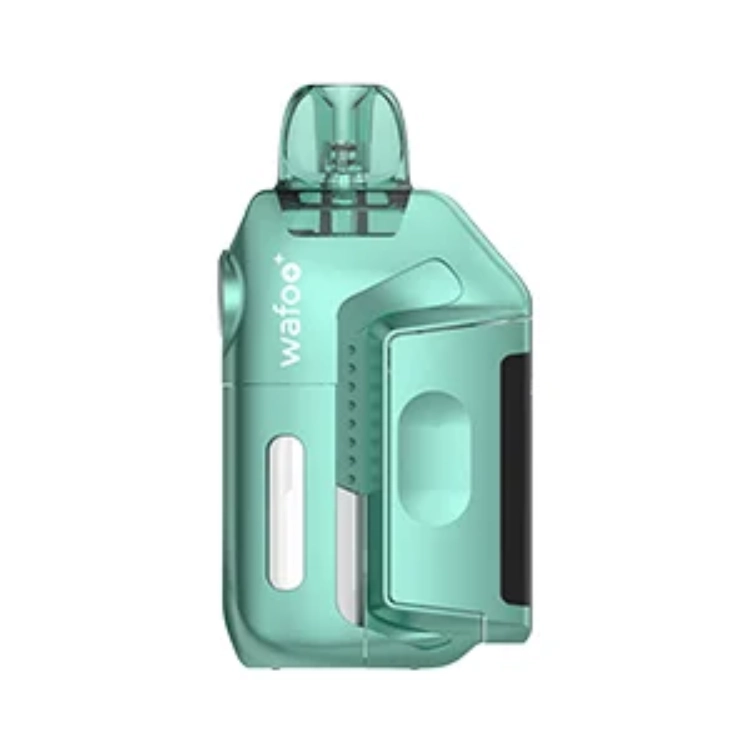
Then test the configuration against gravity instead of the datasheet. The acceptance depot’s forklift is about to do a worse version of the drop your prototype was never asked to survive. Assemble one ready-to-fly carton exactly as the production line would. Drop it onto concrete from the stacking-relevant height. Open it and look. Devices that activated in the drop are a finding. Screen glass that cracked into a short is a finding. Tanks that wept onto neighbouring units are a finding. All of them belong in the factory, not in a cargo-hold incident report. The sealed-tank architecture the category increasingly sells is the hardest case. The Sphere platforms’ transparent tanks and the ECO PRO’s segmented bottle-plus-cartridge format are exactly the hardware where a transit-leak problem is also a quality problem wearing a logistics costume. State of charge gets its own physical check, not a checkbox. The declaration’s charge claim needs evidence behind it, which means a measured percentage on the sample cartons of each production lot. Lots shipped at full charge to save a factory step are shipping borrowed calendar life against the customer’s arrival date.
Reconciling Marks and Documents
Marking consistency between documents and cartons deserves its own paragraph. Its absence is the acceptance rejection nobody sees coming. The declaration names cell models. The lithium marks carry registration numbers. The cartons carry batch codes. The trio has to reconcile under an officer’s thirty-second cross-check. That is the operational meaning of “the audit chain” from the previous section, executed at loading-tail height with gloves on. Exporters who rehearse that thirty seconds once per configuration never learn it anecdotally. And exporters building programmes around manufacturers who publish component specifications start that reconciliation with real material instead of adjectives. Cell capacities, charge architectures, reservoir volumes — Wafoo’s product pages print all three.
Routing, Partners, and the Quarterly Habits That Keep Accounts Clean
Routing decisions for lithium-containing air freight are compliance decisions disguised as logistics decisions. Two of them matter more than the rest: transshipment choice and consolidation partner choice. Direct routings through carriers and hubs with mature dangerous-goods operations accept well-documented excepted shipments routinely. Those hubs have trained staff who recognise them as routine business. A thin-hub routing priced a few cents cheaper per kilo imports every handling habit of the hub’s other cargo into your pallet’s odds. Consolidation into a forwarder’s shared build-up box works the same way. It imports the documentation hygiene of shippers you will never meet. That is the honest definition of risk transfer — into your shipment, not out of it. The professional pattern is direct-and-proven for main orders. Consolidate only where the house’s dangerous-goods procedures are written, named, and visible to you.
Three Questions for Forwarders
The partner selection itself runs on three questions. They separate a freight forwarder from a vape-forwarder. Question one: how many lithium-excepted equipment shipments did they accept last quarter, and how many were rejected? A forwarder without a number has not been asking themselves the question they should ask. Question two: can they name the current IATA edition their staff brief from? Question three: what is their written procedure when acceptance finds a marking discrepancy — rework on the spot, or roll the booking? Forwarders who answer all three fluently are pricing your compliance file’s quality into their handling, because a clean file saves them rework. The commercial negotiation improves in proportion. That is a quieter margin lever than the freight rate itself, and a less visible one to your competitors.
Quarterly Habits That Close the Loop
The quarterly habits close the loop, and they are inventory-management habits rather than logistics ones. First, re-verify that the cell models in current production still match the test summaries on file. The silent killer of export programmes is a component substitution nobody notified. The model mapping has to be re-walked against new lots, not just old ones. Second, re-issue your declaration templates against the current IATA edition at each quarter’s first booking — not at each crisis. Third, score forwarder routings against actual acceptance records. Rejections, holds, rolls — score them the same way a distributor scores supplier quality. Routing scores are the only audit trail that converts a pricing opinion into evidence. Exporters opening wholesale accounts around platforms like Wafoo’s can raise the component-documentation, state-of-charge, and packaging-practice questions with the wholesale contact team in the first commercial thread rather than the first crisis thread. Suppliers whose answers arrive as batch codes and summary references are telling you, inside the negotiation itself, how your next eleven quarters at the acceptance depot will go.
Frequently Asked Questions
Q1: Can wholesale vape orders fly at all given the lithium rules?
A: Yes, and the entire category does. The ordinary cells carry only a few watt-hours each, which puts them inside the excepted-equipment provisions of the air-movement regulations. Those provisions exist precisely so small cells can travel inside finished devices without full dangerous-goods treatment. The catch is that the conditions attached to the exception must be honoured. Test summaries, charge state, protective packaging, and marking all count. They must be met rather than assumed.
Q2: What is the difference between the battery documents and the customs documents?
A: They are two separate stacks that must agree with each other. The transport stack satisfies the carrier and the aviation authorities. It includes the UN38.3 test summaries, the shipper’s lithium declaration, and the protective-packaging evidence. The customs stack satisfies the receiving country’s border and product laws. It includes the invoice, the packing list, the e-liquid’s safety data sheet, and any destination product notifications. Either stack’s failure stops the shipment, even when the other one is perfect.
Q3: Do non-rechargeable disposables avoid the lithium requirements?
A: No. A non-rechargeable disposable contains the same lithium-ion cell architecture. It moves under the same equipment-containing-battery classification. The transport rules read the chemistry, and they do not read the product’s marketing about single use. Shipments routed on the “disposable means exempt” assumption are not a strategy. They are a screening-queue experience.
Q4: Which party’s files should a distributor rely on when exporting purchased devices?
A: The distributor owns the shipment, and the distributor therefore owns the file. But the file’s raw material is the manufacturer’s component discipline. The practical due diligence is choosing suppliers who bind tested cell models to production batches with traceable codes. It is also asking the state-of-charge and packaging questions early, and demanding specifics. The supplier who answers them fluently in the first commercial conversation is pre-writing your acceptance record.