
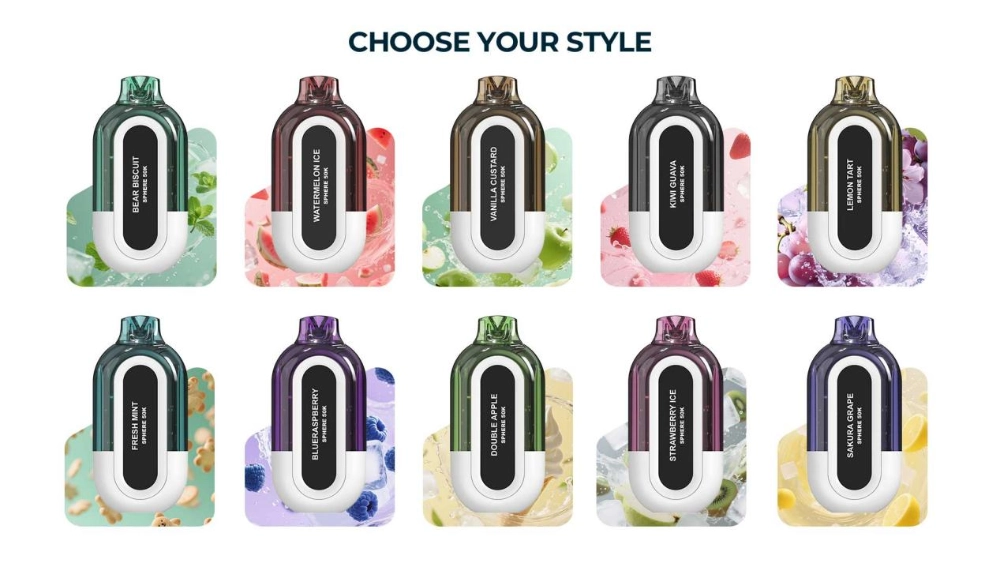
Ein starkes Sortiment an E-Zigarettenprodukten muss nicht von Anfang an jede Gerätegröße, jede Zuganzahl und jede Geschmacksrichtung abdecken. Für Händler und Distributoren ist es sinnvoller, zunächst festzulegen, welchen Zweck jedes Produkt erfüllen soll.
Einweg-E-Zigaretten eignen sich für Käufer, die ein einfaches, sofort einsatzbereites Gerät bevorzugen. Pod-Systeme hingegen sprechen Kunden an, die Wert auf Nachfüllbarkeit oder mehr Kontrolle legen. Eine breite Auswahl an E-Liquids bietet Nutzern bestehender Geräte Anreize zur Rückkehr, ohne dass ein weiteres Gerät angeschafft werden muss.
Das Problem entsteht, wenn mehrere E-Zigarettenmodelle fast die gleiche Position im Sortiment einnehmen. Drei Geräte mögen im Katalog unterschiedlich aussehen, konkurrieren aber im Laden um denselben Kunden. Das bindet Lagerbestände, ohne die Auswahl wesentlich zu erweitern.
Warum sollte jeder Vape-Typ eine klar definierte Rolle haben?
Ein Einzelhändler braucht Vielfalt nicht um ihrer selbst willen. Vielfalt funktioniert dann, wenn jede neue Produktkategorie einem anderen Kaufgrund entspricht.
Welches Problem löst das Produkt?
Stellen Sie den Käufer in den Mittelpunkt, nicht das Datenblatt.
Ein Kunde, der sich für eine Einweg-E-Zigarette entscheidet, schätzt möglicherweise ein vertrautes System mit geringem Wartungsaufwand. Jemand, der sich für ein Pod-System interessiert, akzeptiert unter Umständen das Nachfüllen im Austausch für wiederverwendbare Hardware, sichtbaren Liquidstand, einstellbare Luftzufuhr oder verschiedene Leistungsstufen.
Das schafft zwei völlig unterschiedliche Gründe, die Produkte zu lagern.
Eine zweite Einwegbatterie mit etwas höherer Kapazität mag keine weitere sinnvolle Funktion erfüllen.
Können die Mitarbeiter den Unterschied kurz erklären?
Ein Produkt mag zehn Funktionen haben, aber an einem Verkaufstresen reicht in der Regel eine viel kürzere Erklärung aus.
Wenn die Mitarbeiter ohne Vorlesen einer Parametertabelle nicht erklären können, warum Produkt A neben Produkt B gehört, ist das Sortiment möglicherweise zu eng gefasst.
Dies wird besonders wichtig bei der Einführung von intelligenten Displays, einstellbarer Leistung, austauschbaren Flaschen oder transparenten Tanks. Diese Merkmale sollten die Positionierung eines Produkts erleichtern und nicht einfach nur die Verpackung mit zusätzlichen Spezifikationen ausstatten.
Welche E-Zigaretten-Typen gehören in ein ausgewogenes Produktsortiment?
Die meisten Einzelhändler können damit beginnen, das Sortiment nach Anwendungsfällen für verschiedene Hardwarekomponenten anstatt nach Zugzahlen zu unterteilen.
Einweg-E-Zigarette für unkomplizierten Gebrauch
Eine Einweg-E-Zigarette bietet einen einfachen Einstieg in die Produktpalette. Gerät, Liquid, Verdampferkopf und Steuerungssystem sind zusammen verpackt, was den Einrichtungsaufwand beim Verkauf reduziert.
Innerhalb der Einweg-E-Zigaretten-Reihe von Wafoo kombiniert die WAFOO 16000 16 ml E-Liquid-Kapazität, einen 600-mAh-Akku, einen Mesh-Coil, ein digitales Display und einen USB-C-Anschluss. Die S 30K geht einen anderen Weg und bietet zusätzlich Dual-Mesh, ein Smart-Display, Bluetooth und 25 ml E-Liquid-Kapazität. Es handelt sich also nicht nur um zwei Modelle mit unterschiedlicher Zuganzahl; sie bieten unterschiedliche Verkaufsargumente.
Einzelhändler können diese Formate über die Wafoo Einweg-Vape-Kollektion.
Pod-System-E-Zigarette für mehr Kontrolle
Ein Pod-System-Vape gehört in eine andere Kategorie des Sortiments, da der Benutzer eine andere Nutzungsroutine erwartet.
ECO S verwendet einen transparenten, nachfüllbaren 2,0-ml-Pod, seitliches Befüllen, einstellbare Luftzufuhr, einstellbare Leistung von 15 W bis 30 W, einen 1300-mAh-Akku und USB-C-Ladeanschluss. Diese Kombination bietet dem Nutzer mehr Kontrolle bei gleichzeitig kompakter Bauweise.
Wafoo setzt auch auf andere modulare Ansätze. ECO AWAKE kombiniert eine austauschbare 10-ml-Flasche, eine Verdampferspule, wiederaufladbare Hardware und eine Struktur mit austauschbaren Komponenten. Dieser Unterschied ist wichtig, da nicht jeder Kunde von wiederaufladbaren Produkten die gleiche Nachfüllroutine wünscht.
Einzelhandelskäufer können diese Strukturen vergleichen in der Wafoo-Pod-Systemauswahl.
E-Liquid-Sortiment für wiederholte Kategorientiefe
Hardware ist nur eine Möglichkeit, das Sortiment an E-Zigarettenprodukten zu erweitern.
E-Liquids sorgen für intensive Geschmackserlebnisse, ohne dass Händler ständig neue Geräte auffüllen müssen. Das 10-ml-Sortiment von Wafoo umfasst Geschmacksrichtungen wie Blaue Himbeere-Traube, Erdbeermarmelade, Beerengelee, Gummibärchen, Pfirsich-Kiwi-Litschi, Ananas-Mango-Pfirsich, Himbeersaft, Saurer Apfel, Honig-Pomelo und Pfirsichsaft.
Das ist deshalb wichtig, weil ein Geschäft eine bewährte Hardware-Kategorie durch eine größere Auswahl an Verbrauchsmaterialien erweitern kann, anstatt ein weiteres, nahezu identisches Gerät hinzuzufügen.
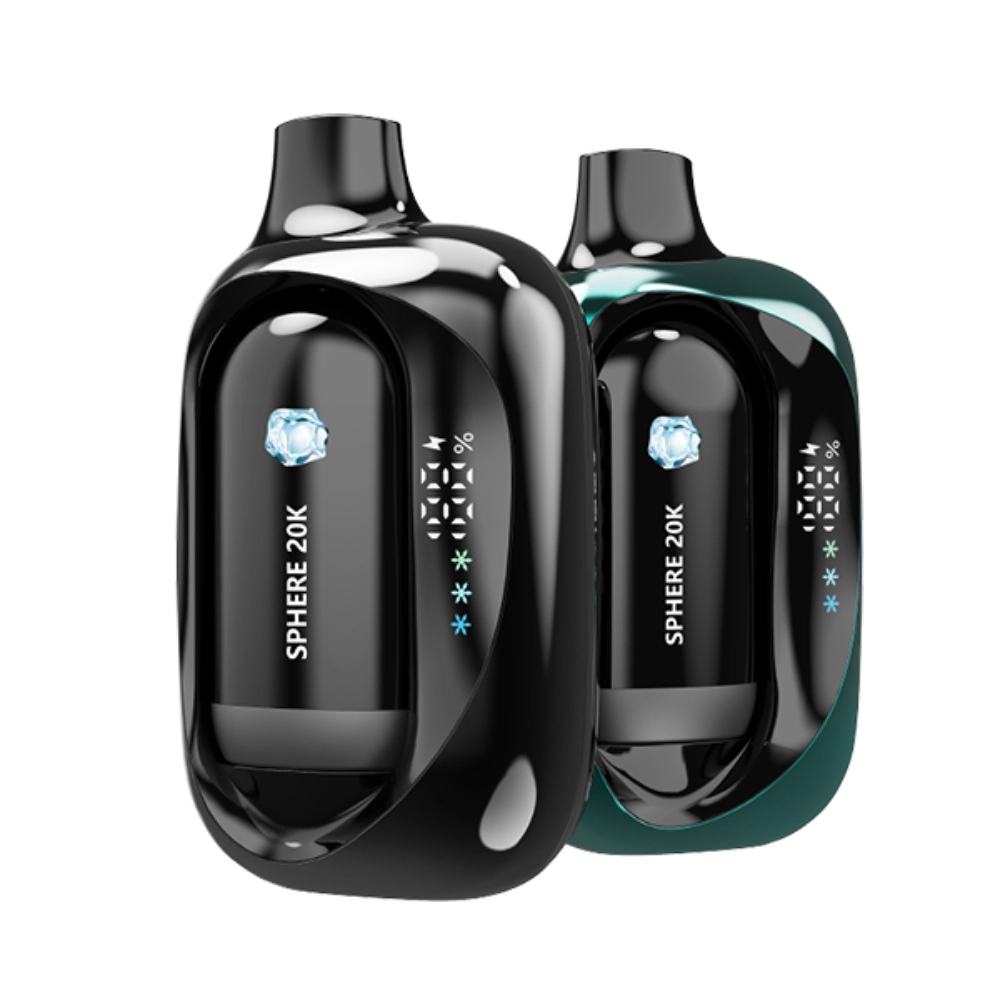
Wo beginnt übermäßiges Kaufen üblicherweise?
Übermäßiges Kaufen beginnt selten mit einer einzigen offensichtlich schlechten Entscheidung. Es entsteht meist durch mehrere einzeln betrachtet vernünftige Anschaffungen.
Zu viele Geräte lösen dasselbe Problem
Angenommen, ein Einzelhändler führt bereits eine einfache Einweg-E-Zigarette mit hoher Kapazität.
Die Einführung eines weiteren Modells ist dann sinnvoll, wenn das zweite Produkt einen klaren Unterschied bietet: intelligente Funktionen, einen transparenten Tank, eine einstellbare Ausgabemenge, ein anderes Zugformat oder einen anderen überzeugenden Grund für den Käufer, zu wechseln.
Wenn der einzige Unterschied in einer geringfügig abweichenden beworbenen Kapazität besteht, kann die neue Artikelnummer eher zu einer Aufteilung der Verkäufe führen als zu einer Steigerung.
Dasselbe gilt für Pod-Systeme. Ein kompaktes, verstellbares Pod-System, ein System mit austauschbarer Flasche und ein größeres, nachfüllbares System mit hoher Kapazität können nebeneinander existieren, da sich der Wartungsaufwand und der Kontrollaufwand unterscheiden.
Drei kompakte Pods mit nahezu identischem Luftstrom, Akku und Nachfüllmethode benötigen eine stärkere Rechtfertigung.
Die Geschmackstiefe nimmt schneller zu als erwartet
Geschmack kann den Lagerbestand noch schneller vermehren als Hardware.
Fünf Geräte in zehn Geschmacksrichtungen ergeben bereits fünfzig mögliche Kombinationen. Fügt man noch weitere Farben und eine andere Nikotinstärke hinzu, wird die Anzahl der Artikelnummern schwer zu verwalten.
Beginnen Sie mit einem kleineren Kern. Lassen Sie das tatsächliche Nachbestellverhalten entscheiden, wo zusätzliche Vape-Produkte eine Vertiefung rechtfertigen.
Wie sollten Einzelhändler ein neues Produkt testen, bevor sie ihr Sortiment erweitern?
Die erste Stichprobe muss nicht alle Fragen beantworten. Sie muss lediglich aufzeigen, ob das Produkt einen umfassenderen Test verdient.
Testen Sie den Anwendungsfall, nicht nur die Spezifikation.
Wenn das Produkt einfach zu bedienen sein soll, geben Sie es den Mitarbeitern ohne lange Erklärung und schauen Sie, welche Fragen auftauchen.
Wenn die Einstellbarkeit des Luftstroms das Verkaufsargument ist, sollte man testen, ob der Unterschied tatsächlich wahrnehmbar ist.
Bei einem transparenten Pod sollte man prüfen, ob der Flüssigkeitsstand bei normalem Gebrauch tatsächlich gut erkennbar ist.
Bei einem Smart Display sollte geprüft werden, ob die angezeigten Informationen dem Benutzer bei der Entscheidungsfindung helfen.
Die Probenbedingungen sollten vergleichbar bleiben.
Verwenden Sie bei ähnlichen Pod-Systemen nach Möglichkeit dasselbe E-Liquid. Notieren Sie sich die Einstellungen für Leistung und Luftzufuhr.
Bei Einwegprodukten sollten Sie die Zugkraft, die Lesbarkeit des Displays, die Geschmackskonstanz, den Ladevorgang und die Verständlichkeit der Produkterklärung für das Personal vergleichen.
Ein Probetest wird umso sinnvoller, je öfter die gleichen Fragen gestellt werden.
Wie können Produktkategorien zusammenarbeiten, anstatt miteinander zu konkurrieren?
Ein gutes Sortiment hat einen Weg hindurch.
Ein Kunde beginnt vielleicht mit einer Einweg-E-Zigarette, weil sie einfach zu handhaben ist. Später wünscht er sich möglicherweise ein nachfüllbares Gerät, eine einstellbare Luftzufuhr oder mehr Geschmacksvielfalt. Ein Pod-System ermöglicht diesen nächsten Schritt.
Ein Kunde, der bereits ein wiederbefüllbares Gerät nutzt, benötigt möglicherweise gar kein weiteres Gerät. Die bessere nächste Anschaffung könnte E-Liquid sein.
Deshalb sollten Einzelhändler das Gesamtbild betrachten. Wafoo-Gerät und E-Liquid-Sortiment als Produktrollen und nicht als statischer Katalog. Das aktuelle Sortiment umfasst Einwegprodukte, Pod-Systeme und E-Liquids mit verschiedenen Strukturen, darunter transparente Tanks, austauschbare Flaschen, einstellbare Luftzufuhr, Mesh- und Dual-Mesh-Heizung sowie intelligente Displays.
Der kommerzielle Vorteil besteht nicht einfach darin, mehr Produkte anzubieten. Er besteht vielmehr darin, mehrere unterschiedliche Kundenwege von einem einzigen Lieferanten aus gestalten zu können.
Welche Fragen sollten Käufer stellen, bevor sie eine weitere Artikelnummer hinzufügen?
Bevor Sie ein anderes Modell genehmigen, stellen Sie fünf Fragen:
- Für welchen Kundentyp ist dieses Produkt gedacht?
- Was kann es, was die aktuelle Aufstellung nicht kann?
- Können die Mitarbeiter diesen Unterschied in ein oder zwei Sätzen erklären?
- Sind neue Verbrauchsmaterialien, Schulungen oder Support erforderlich?
- Anhand welcher Beweise wird entschieden, ob der Einzelhändler die Ware nachbestellt.
Wenn diese Antworten unklar sind, kann das Produkt warten.
Eine kleinere Mannschaft mit klar definierten Rollen ist leichter zu schulen, leichter zu messen und später leichter zu erweitern.
Schlussfolgerung
Die beste Mischung an E-Zigaretten-Typen ist nicht die mit den meisten Artikeln. Es ist diejenige, bei der jedes Produkt seine Daseinsberechtigung hat.
Einweg-E-Zigaretten bieten Komfort und einfache Handhabung. Pod-Systeme ermöglichen zusätzliche Funktionen wie Nachfüllen, Sicht auf den Füllstand des Liquids oder individuelle Einstellungen. E-Liquids erweitern das Produktspektrum, ohne dass ständig neue Hardware benötigt wird.
Einzelhändler, die ein neues Sortiment planen, können Erstellen Sie mit Wafoo einen kanalfertigen Produktmix. bezüglich Zielnutzer, Geräteformate, Geschmacksintensität und Probenanforderungen.
Häufig gestellte Fragen
Frage 1: Mit wie vielen verschiedenen E-Zigaretten-Sorten sollte ein neuer Einzelhändler beginnen?
A1: Es gibt keine festgelegte Zahl. Beginnen Sie mit einer kleinen Anzahl klar unterschiedlicher Rollen – wie z. B. einer einfachen Einweg-E-Zigarette, einem nachfüllbaren Pod-System und ausgewählten E-Liquid-Optionen – und erweitern Sie dann anhand tatsächlicher Verkaufs- und Nachbestellungsdaten.
Frage 2: Ist es besser, mehr Geräte oder mehr Geschmacksrichtungen auf Lager zu haben?
A2: Das hängt davon ab, was sich bereits gut verkauft. Wenn der Hardwarebedarf bereits gedeckt ist, kann eine Erweiterung der Geschmacksvielfalt die Auswahl vergrößern, ohne ein weiteres Gerät einzuführen, das mit dem bestehenden Sortiment konkurriert.
Frage 3: Was macht zwei E-Zigarettenprodukte zu ähnlich für die gleiche Produktreihe?
A3: Wenn sie die gleiche Zielgruppe bedienen, das gleiche Grundformat verwenden und sich hinsichtlich Kontrolle, Wartung, Geschmacksrichtung, Sichtbarkeit oder Funktionalität nicht deutlich unterscheiden, konkurrieren sie möglicherweise um denselben Umsatz.