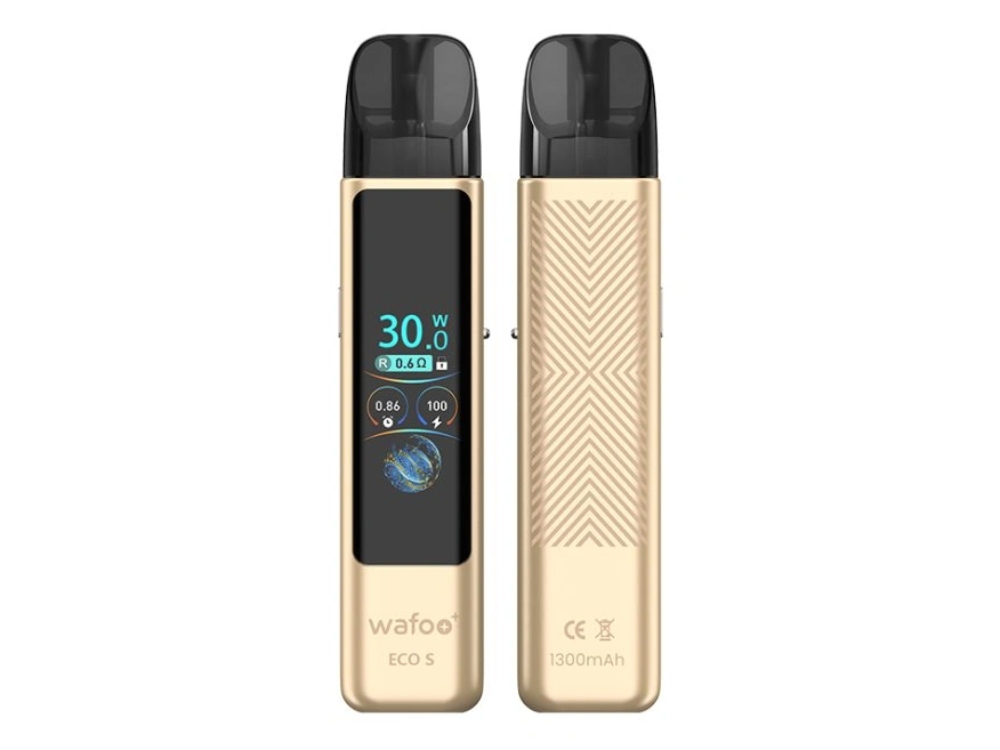
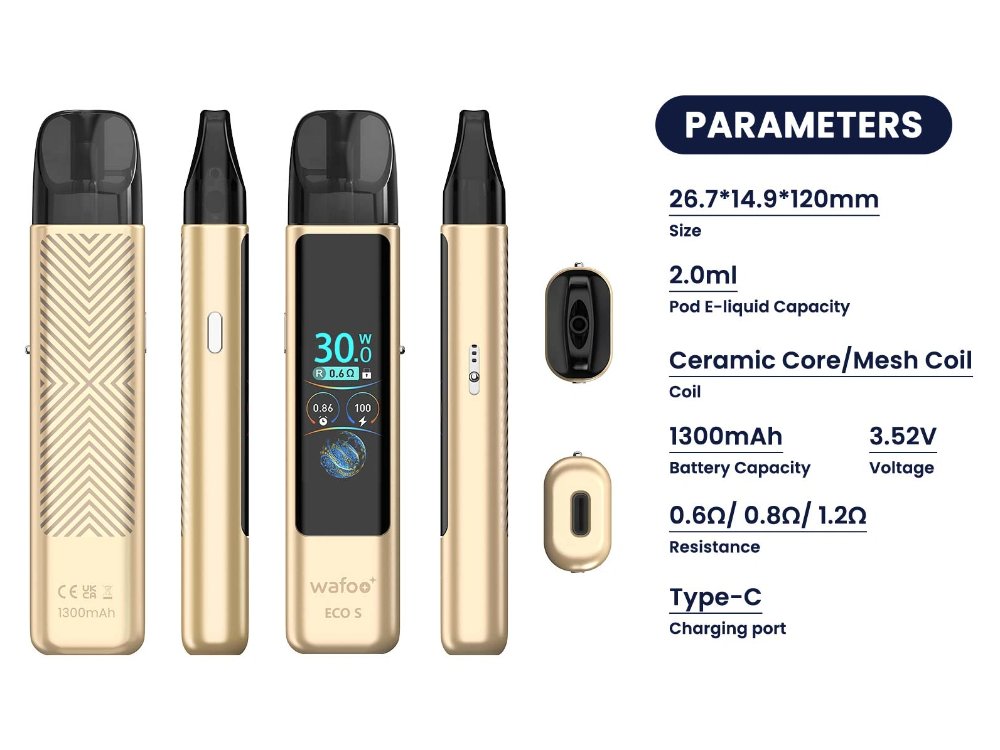
Open and closed pod compatibility can reduce reorder risk because it gives adult vape retailers more room to match device supply, pod availability, and customer habits. The risk is not only that a product sells slowly. The bigger risk is that the device sells, but the follow-up pod supply is unclear. Wafoo ECO S Refillable Pod Kit is a useful example because it combines open/closed pod compatibility, a 2.0ml transparent refillable pod tank, side-filling design, 1300mAh battery, 15W to 30W adjustable power, adjustable airflow, Type-C charging, and a 1.47-inch TFT color screen.
For retailers, that specification set should be turned into an order-control discussion. Which pod format will the store carry first? How will staff explain open and closed options? What pod and liquid combinations are allowed in the local market? How will the store track repeats? These questions matter more than a broad claim that a device is flexible.
Compatibility is helpful only when the buyer builds a clear replenishment plan. A retailer choosing from Wafoo’s Pod System range should treat ECO S as a device, pod, and training package rather than a single one-time sale.
Why Does Pod Compatibility Affect Reorder Risk?
Pod compatibility affects reorder risk because every device sale creates a second decision. The adult user may need replacement pods, e-liquid guidance, coil-related support, or a repeat purchase path. If the store does not plan that path, early device sales can turn into later confusion.
Device Sales Can Create Follow-Up Inventory Pressure
A retailer can sell through the first device batch and still have a weak result if follow-up pods are not planned. Staff may not know which pods to recommend. Buyers may ask for replacements that the store does not carry. The device then becomes harder to support, even if it worked well at launch.
Open and closed pod compatibility can reduce this pressure, but only if the store decides how it will use that flexibility. A clear first-order plan should separate device stock, pod stock, and training notes. Otherwise, flexibility becomes another source of questions.
Compatibility Needs a Clear Staff Script
Staff should not explain compatibility with vague language such as “it works with many pods.” That can create wrong expectations. A safer retail script explains the supported pod formats, the refill method, and what customers should confirm before buying replacement pods or e-liquid. Simple wording protects both the store and the adult user.
This is also useful for multi-store distributors. One clear script can be used across outlets, reducing the chance that each store gives a different answer. In vaping retail, inconsistent staff explanation is often a bigger problem than the technical feature itself.
Repeat Orders Need More Than Device Demand
A good first sale does not always mean a good reorder. Retailers should look at pod usage questions, replacement-pod movement, e-liquid attachment rates, and complaints tied to refilling or compatibility. These signals show whether the product is becoming a stable adult-use SKU or only a short launch item.
If a store already has scattered pod supply and unclear staff answers, choosing a product with more compatibility is useful only when supplier information is easier to access. This is where a structured product page from Wafoo helps retailers turn device features into a repeatable selling process.
How Should Retailers Explain ECO S Compatibility?
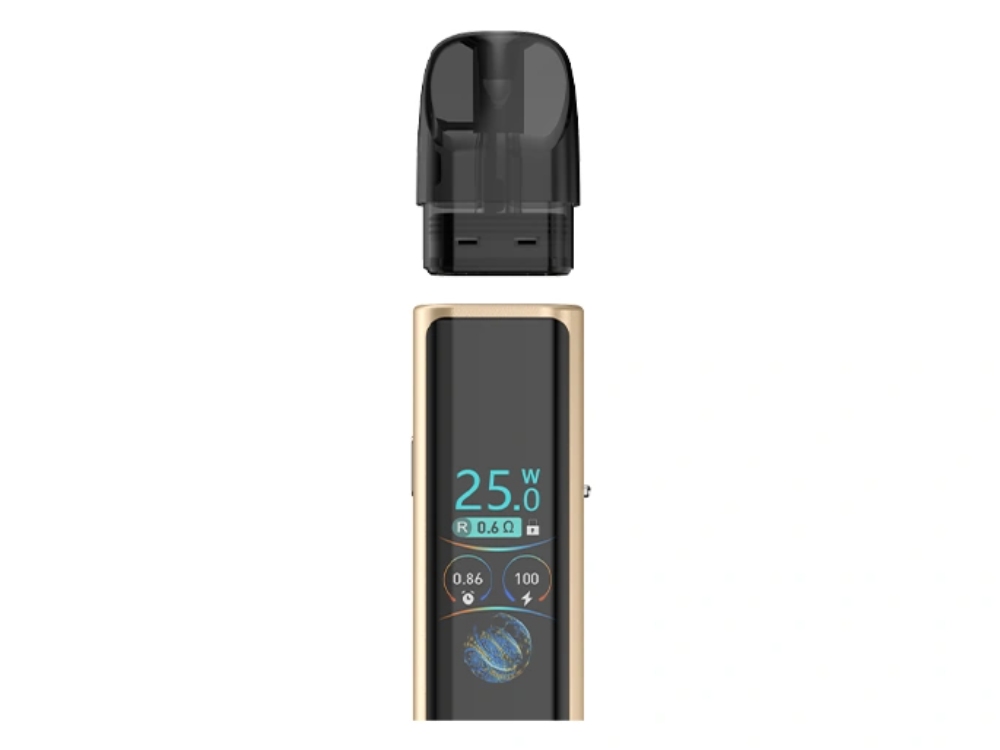
ECO S should be explained in practical steps: pod type, filling method, power adjustment, airflow, display, and charging. Adult buyers do not need a long engineering talk at the counter. They need to know what the product can accept, what the store supports, and what they should not assume.
Open and Closed Pod Terms Should Be Defined Early
Open and closed pod compatibility should be introduced before a customer chooses a refill routine. Open systems usually require more attention to filling and matching liquid, while closed systems can feel simpler when the pod supply is controlled. The store should explain which option it is stocking and supporting.
This prevents a common mismatch: the device is compatible in theory, but the store does not carry the matching pod or does not train staff on the difference. For a retailer, “compatible” should mean “we can support the sale,” not just “the product sheet allows it.”
Side-Filling Design Needs Use Guidance
A side-filling pod can be convenient, but it still needs a short instruction at sale. Staff should explain where filling happens, how to avoid messy handling, and why the user should follow product guidance. This kind of small instruction reduces avoidable complaints and keeps the device from being blamed for poor handling.
Adjustable Power Should Be Tied to Adult User Preference
ECO S offers adjustable power from 15W to 30W. Retailers should not turn that into complicated language. A simple explanation is enough: lower settings can feel more restrained, higher settings can feel stronger, and users should stay within the supported pod and coil range. That keeps the product story controlled.
The 1.47-inch TFT screen can support this explanation because it gives users visible feedback. Staff can point to the screen when talking about settings, instead of asking the buyer to remember hidden controls.
What Should Buyers Check Before the First ECO S Order?
The first order should be treated as a controlled launch, not a guess. Retailers should check pod supply, supported liquid types, training cards, package language, and the device color mix. They should also decide how to handle replacement-pod questions before customers return to the store.
Pod Supply Should Be Planned With Device Quantity
A device-only order can create a false sense of readiness. If the retailer expects repeat pod demand, replacement pod supply should be discussed at the same time as device quantity. That does not always mean buying too much. It means making the follow-up path visible before the first device batch sells out.
Training Notes Should Be Short Enough for the Counter
Good training notes should be short. Staff need to explain compatibility, refilling, power adjustment, and charging without reading a manual. A one-page internal note or shelf-side prompt can be enough. The point is to make the first answer consistent, not to turn every salesperson into a technician.
Verification and Contact Support Should Be Built Into the Process
For channels that handle multiple shipments, product authenticity and supplier communication should be part of the buying path. Wafoo’s Product Verification page helps users find verification-code instructions, while Contact Us gives B2B buyers a direct route to ask about order details, availability, and packaging needs.
| Buyer Checkpoint | Why It Matters | ECO S Detail to Use |
|---|---|---|
| Pod type planning | Avoids mismatch after device sale | Open/closed pod compatibility |
| Refill guidance | Reduces messy handling questions | 2.0ml side-filling transparent pod |
| Power explanation | Keeps settings within supported use | 15W to 30W adjustable power |
| Staff training | Makes repeat sales more consistent | TFT screen and airflow control |
How Can Distributors Use Compatibility to Build Repeat Orders?
Distributors can use compatibility as a reorder tool when they collect the right feedback. The useful signals are not only device sell-through. They include pod attachment rate, replacement questions, store-level training issues, and which settings customers ask about most often.
Track Pod Questions Separately From Device Complaints
A buyer should separate true device issues from pod-supply or use-explanation questions. If many questions involve which pod to use, the answer may be better staff training or a different stocking plan, not a different device. This distinction helps protect a good product from being misread as a problem SKU.
Compare Compatibility Products Inside the Full Lineup
ECO S should be compared with adjacent products inside the Wafoo Products range, especially if a distributor already carries simpler pod system options. The goal is to decide whether ECO S fills a compatibility gap or overlaps with products already on the shelf.
Use Brand Support When Expanding to More Stores
As orders grow, a retailer may need clearer product documents, market-specific packaging conversations, or training support. Wafoo’s Brand Story gives broader context for the brand, but buyers should still confirm every commercial detail by order and market.
Conclusion
Open and closed pod compatibility can reduce reorder risk when retailers treat it as a supply and training issue, not just a feature. ECO S gives buyers a useful base through its refillable transparent pod, side-filling design, adjustable power, adjustable airflow, large battery, Type-C charging, and TFT screen. Those details can support repeat sales only when staff language and replacement-pod planning are clear.
For adult vape retailers, the next step is to map device stock, pod support, and training notes before placing a broad order. A compatibility product can make the shelf stronger, but only when the store can support the repeat path after the first sale.
FAQs
Q1: Why does open and closed pod compatibility matter for retailers?
A1: It gives retailers more supply flexibility, but only when pod stock and staff guidance are planned clearly.
Q2: Should ECO S be sold without replacement-pod planning?
A2: No. Device orders should be discussed together with expected pod support and refill guidance.
Q3: Can Wafoo help confirm ECO S order details?
A3: Yes. Buyers can contact us with quantity, market, packaging, and product-support questions.