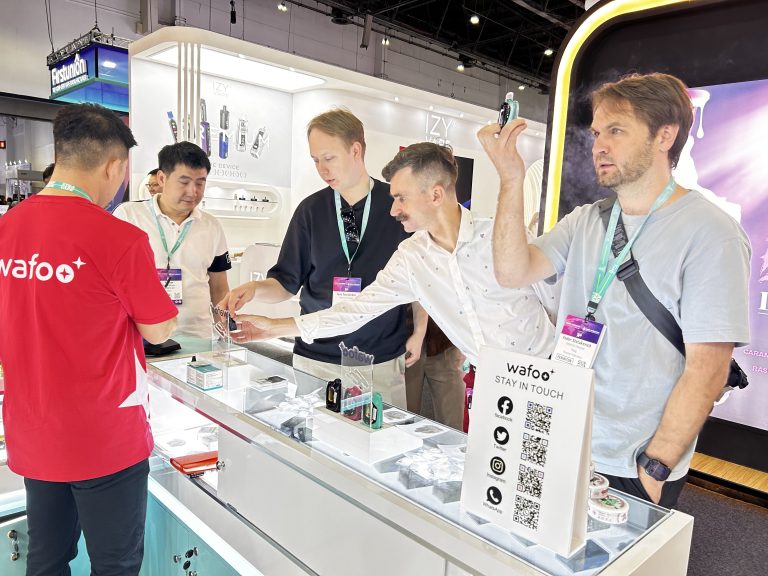
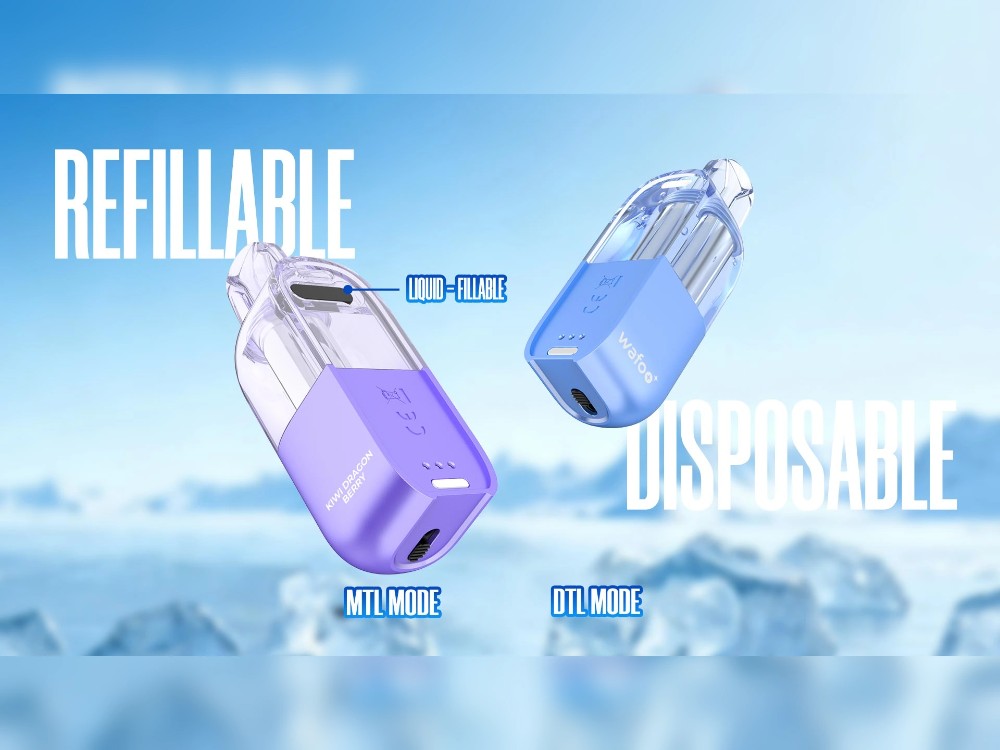
Adult vape retailers can explain a two-mode pod system most clearly when they stop treating puff count as a single sales promise. The better answer is to explain what each mode changes: draw strength, e-liquid use, battery behavior, and the kind of adult user who may prefer that setting. A device such as ECO PLUS gives retailers a useful example because it separates Boost mode and Regular mode, while also using a refillable transparent tank, airflow adjustment, dual mesh coil structure, and a 300mAh plus 850mAh battery layout.
That still needs careful wording. If staff only say “30,000 puffs,” some adult buyers may expect the same result in every mode, every draw style, and every use habit. That is where complaints begin. The selling message should be simpler: Regular mode supports longer use expectations, Boost mode is for stronger delivery, and final experience depends on draw frequency, selected airflow, charging habits, and e-liquid handling.
For a pod system lineup, this kind of explanation helps stores sell with fewer later questions. It also gives distributors a more stable way to train shops, prepare shelf cards, and decide whether a two-mode product belongs next to smaller pod devices or higher-puff disposable options.
Why Does Two-Mode Communication Matter at the Counter?
The counter conversation is where puff count confusion usually starts. A customer sees two numbers, a retailer has a few seconds to explain them, and the easiest answer is often too simple. For B2B buyers, the real question is not whether a large number looks attractive. It is whether the store team can explain that number without creating an after-sales problem.
Puff Count Is a Usage Estimate, Not a Fixed Promise
A two-mode device needs a conservative script. Staff should avoid talking as if every adult user will reach the same puff number. Draw length, mode choice, airflow setting, and how often the device is charged can all change the final result. Retailers who make that point early usually reduce the gap between expectation and actual use.
This is especially important when Boost mode and Regular mode sit on the same pack or shelf label. A simple message works better than a technical lecture: Regular mode is the longer-use setting; Boost mode gives a stronger experience and may use more power and e-liquid. That wording is plain enough for staff and honest enough for repeat customers.
Mode Language Should Match Real Selling Scenarios
Retailers should not overbuild the explanation. In a busy shop, staff need one or two sentences they can repeat. “Choose Regular if you care more about longer use. Choose Boost if you want a stronger draw.” That small distinction helps adult buyers self-select without asking the staff to explain every internal part of the device.
For distributors, this matters because stores with uneven training often create uneven feedback. One location may sell the device as a long-use pod system. Another may sell it as a stronger-hit device. Both can be true, but the product story becomes messy unless the mode language is aligned before the first shipment.
Staff Need a Simple Comparison Script
The best comparison script is not “this is better than that.” It is “this mode fits this kind of use.” That keeps the conversation away from exaggerated claims and closer to practical selection. Retailers can also use the transparent tank as a visual aid, because adult users can see the e-liquid area instead of treating the device like a sealed black box.
If a retailer is already seeing repeated questions about puff count, mode use, or tank visibility, that is usually the stage where a clearer product page and supplier support matter. The Wafoo product structure gives stores enough concrete details to build that explanation without turning the sale into a long technical class.
How Should Retailers Position ECO PLUS in a Pod System Lineup?
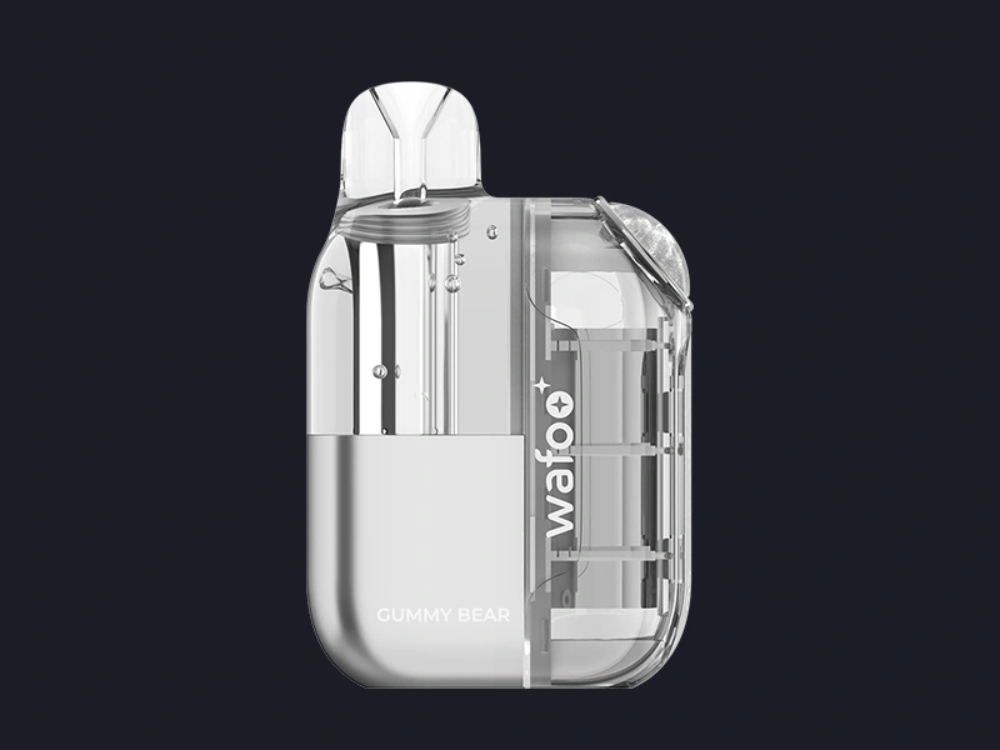
ECO PLUS should not be positioned only as a high-number device. Its stronger retail value is the combination of two modes, refillable transparent tank design, airflow adjustment, and battery support. That mix gives adult-use retailers a product story that sits between simple pod devices and larger disposable products.
Transparent Tank Helps Make Use Status Visible
A refillable transparent tank is useful in sales because it reduces guessing. Staff can point to the tank area when explaining e-liquid status, refilling expectations, and why users should not wait until the last moment to think about liquid level. This is a practical detail, not just a design feature.
For store buyers, visibility can also make product education easier. New staff do not need to explain hidden structure in abstract terms. They can use the device itself as a teaching point. That becomes valuable when a store handles many SKUs and does not want every product to require a different training method.
Airflow Adjustment Needs Plain Retail Language
MTL and DTL airflow wording can be useful, but only when staff know how to translate it. For many adult buyers, “tighter draw” and “more open draw” are easier to understand than technical abbreviations. Retailers should keep the language tied to experience, not to complicated terminology.
This also helps with product returns. When an adult user understands that airflow setting changes the draw feel, they are less likely to assume the device is inconsistent. The store can handle the question as a setting issue before it becomes a product complaint.
Battery Layout Shapes After-Sales Questions
ECO PLUS uses a 300mAh plus 850mAh battery structure. For retailers, the important point is not to recite numbers alone. The better approach is to connect the battery setup to charging expectations, mode use, and why Type-C charging habits should be explained clearly at sale.
Stores that sell rechargeable pod systems should always decide who explains charging before the product reaches the shelf. If it is left to chance, staff may skip the detail and later deal with avoidable questions. A short line on the shelf card, plus one staff sentence at checkout, is often enough.
What Should Buyers Confirm Before Adding Two-Mode SKUs?
B2B buyers should treat a two-mode product as a small retail education project. The product may be simple to use, but the sales message still needs planning. Before ordering, distributors and stores should check packaging language, flavor mix, staff training notes, and how the product will sit beside other pod system or disposable options.
Shelf Label Copy Must Stay Conservative
Shelf copy should avoid promising a fixed result for every adult user. A safer line is to show both modes and explain the usage difference. This keeps the message attractive but controlled. It also gives staff a reference point when buyers ask why two puff figures appear on the same product.
Flavor Mix Should Not Outrun Reorder Planning
A broad flavor list can help retail choice, but too many flavors in a first order can create slow-moving stock. Retailers should start with a tighter mix, check which flavors drive repeat demand, and then expand. This is more stable than treating every flavor as equally likely to sell.
For distributors, reorder history is often more useful than first-week excitement. If stores can identify which mode and flavor combinations sell with fewer complaints, the next order becomes easier to forecast. That is where a two-mode product becomes more than a new shelf item.
Packaging and Verification Still Need Attention
Retailers should also guide adult users toward authenticity checks where relevant. Wafoo provides a Product Verification page for verification-code instructions, and that kind of support is useful when products move through multiple retail layers. It gives stores a simple answer when buyers ask how to check a product rather than relying only on packaging appearance.
| Retail Question | Safer Explanation | Useful Product Cue |
|---|---|---|
| Why are there two puff numbers? | Different modes affect use expectations. | Boost and Regular mode labels |
| Why does the draw feel different? | Airflow setting changes draw style. | MTL and DTL airflow adjustment |
| How do I know when to refill? | Visible tank helps users monitor liquid level. | Refillable transparent tank |
| What should staff explain first? | Mode choice and charging habits should be clear. | Two modes and Type-C charging |
Where Can Product Links Support Conversion Without Hard Selling?
The strongest conversion path in a B2B article is not a sudden request to buy. It is a sequence of useful steps. A retailer first understands the problem, then sees the product details, then checks the category, and finally contacts the supplier when the order plan is more specific.
Product Pages Should Answer Sales Objections
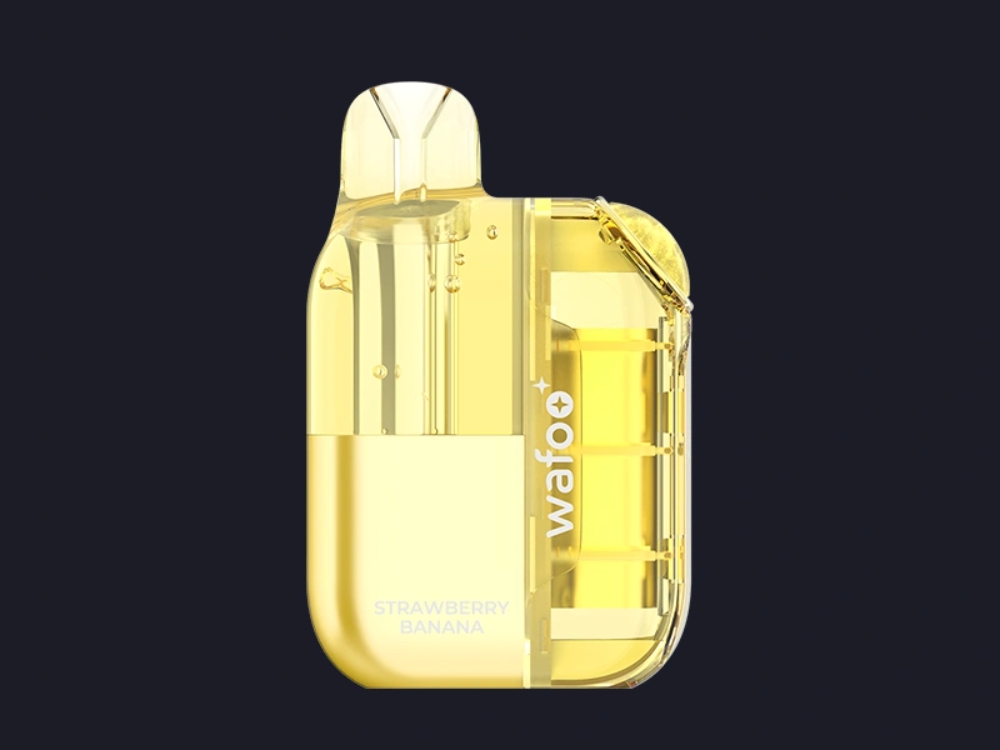
A product page is useful when it answers the questions staff will hear later. For ECO PLUS, those questions are likely to involve two-mode use, refillable tank visibility, airflow, battery structure, and flavor choices. When those details are easy to access, store buyers can prepare training before stock arrives.
Category Pages Help Buyers Compare Adjacent Options
Retail buyers rarely choose a single SKU in isolation. They compare it with other products in the Products lineup, decide whether it fills a gap, and then plan shelf tiers. That comparison is useful because ECO PLUS should not be judged only by puff count; it should be judged by how well it explains two-mode pod use to adult customers.
Contact Timing Should Follow Stock Planning
When a retailer has already decided where a two-mode pod system fits, the next step is not another general article. It is a concrete discussion about flavors, order mix, packaging expectations, and market compliance. At that point, Contact Us is a practical action, because the buyer has enough context to ask better questions.
Conclusion
Two-mode pod systems are easier to sell when retailers explain the difference before a complaint appears. ECO PLUS gives stores useful talking points through Boost and Regular modes, a refillable transparent tank, airflow adjustment, dual mesh coil structure, and a battery setup that needs clear charging guidance. The product should be positioned as a controlled adult-use retail option, not just as a large puff-number device.
For stores or distributors building a clearer pod system shelf, the next step is to compare the product details, decide where ECO PLUS sits in the lineup, and prepare staff language before ordering. Wafoo’s Brand Story and contact channels can support that conversation when buyers need a more stable supply and training path.
FAQs
Q1: Can ECO PLUS be explained as both a long-use and stronger-draw device?
A1: Yes. Regular mode supports longer use expectations, while Boost mode should be explained as a stronger-use option.
Q2: Should retailers put the two puff numbers on shelf labels?
A2: Yes, but with a short mode explanation so adult users do not treat both numbers as the same promise.
Q3: When should buyers contact Wafoo about ECO PLUS orders?
A3: When flavor mix, packaging needs, order volume, and local compliance checks are ready for confirmation.