
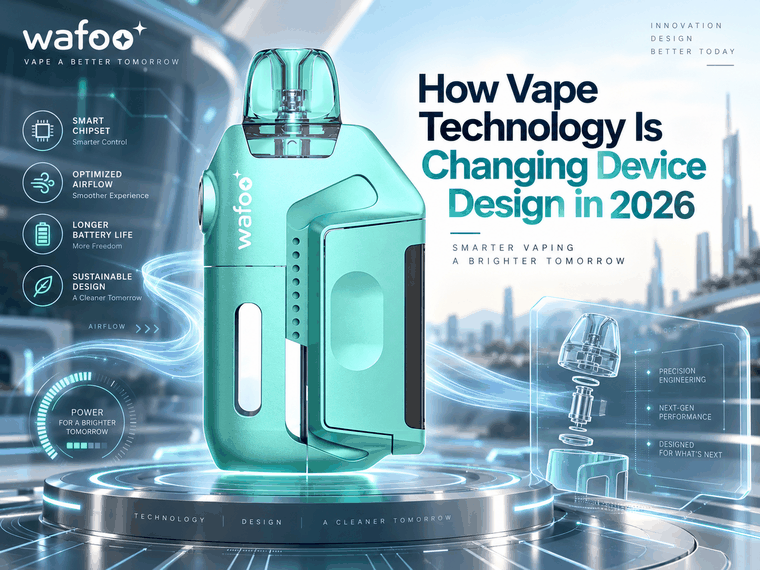
Vape technology is no longer moving in only one direction.
For years, most technical discussion centered on a short list of upgrades: larger batteries, higher puff counts, new coil structures, and faster charging. Those features still matter, but modern vape device design is becoming much broader. Product teams now have to think about how users see remaining liquid, how much control they actually need, whether components should be replaceable, how information is displayed, and whether smart functions improve the product or simply make it more complicated.
That shift matters to distributors and brand owners because vape innovations are increasingly shaping product categories rather than adding isolated features.
Wafoo’s current portfolio reflects several of these directions, including transparent liquid systems, refillable pods, adjustable airflow and power, replaceable structures, adjustable cooling, intelligent displays, and connected functions. The Wafoo product lineup shows how different technologies can lead to very different device concepts.
What Is Driving Vape Technology Forward in 2026?
The biggest change is integration.
A vape is still built around atomization, power, liquid, and airflow, but those systems increasingly interact with digital controls, visible reservoirs, replaceable components, and user-adjustable settings.
That means modern vape technology is becoming less about adding one “better” component and more about deciding how several technologies should work together.
Why Is Atomization Technology Still the Starting Point?
No matter how advanced the interface becomes, atomization technology still determines how e-liquid is converted into vapor.
The heating structure must receive enough liquid, reach an appropriate operating temperature, and work with the intended airflow and power level.
Wafoo’s product evolution has included horizontal coil, mesh coil, and dual-mesh directions. The broader development path then moved toward devices with adjustable output, replaceable pods, transparent liquid chambers, and more interactive controls.
This progression matters because atomization technology no longer sits alone.
A dual-mesh structure, for example, may be selected to support a different vapor profile or operating range than a simpler coil. But its real performance still depends on liquid delivery, airflow, battery output, and thermal management.
That is why the most useful vape innovations in 2026 are increasingly system-level innovations.
Why Are Liquid Systems Becoming Part of the User Interface?
Traditionally, the liquid reservoir was mainly treated as an internal storage component.
Transparent tanks change that.
When users can see the remaining liquid directly, the reservoir becomes part of the product interface. It communicates information without requiring another screen or warning.
This is an important change in vape device design because visibility can reduce uncertainty.
Instead of waiting for a change in flavor or output to guess that liquid is running low, users can inspect the tank directly.
Transparent systems also create additional engineering requirements. Material clarity, sealing, structural support, liquid positioning, and visual access all need to be considered together.
The result is a good example of how relatively simple vape technology can improve usability when it solves a clear problem.
Why Is Adjustable Vape Device Design Becoming More Common?
Earlier compact devices often minimized user control.
That made sense when simplicity was the main product goal.
Today, a growing part of the market wants some control without moving to a large or highly technical mod-style device. This has pushed adjustable airflow, power, cooling, and operating modes into smaller products.
What Does Adjustable Airflow Really Change?
Airflow is not simply a “more air or less air” setting.
It affects draw resistance, cooling around the heating area, vapor density, and how the user experiences the device.
A tighter airflow can produce a more restricted draw. A more open path changes both inhalation resistance and the amount of air mixing with vapor.
This is why adjustable airflow should be treated as part of atomization technology rather than as a cosmetic control.
When airflow and power are both adjustable, the relationship becomes even more important.
More power increases heat demand. More airflow can increase cooling. The liquid-delivery system must still keep the heating structure supplied.
Good vape device design therefore gives the user a useful adjustment range without making the system unstable.
How Does XANDER Show This Shift?
The XANDER adjustable vape platform represents a product direction built around visible liquid and user adjustment rather than a single fixed operating style.
XANDER retains the functional configuration of the earlier ECO Plus platform while introducing a more refined exterior and contrasting color combinations. The product direction combines a transparent refillable liquid system with adjustable airflow and multiple operating preferences.
The important point is not that adjustment is automatically better.
It is that vape technology now allows one product architecture to cover a wider range of user preferences while keeping the device relatively straightforward.
That creates more flexibility for distributors deciding how many different SKUs are really needed to cover a market.

How Are Vape Innovations Changing Personalization?
Personalization used to rely heavily on choosing another product.
Want a different draw? Buy another device.
Want a different cooling level? Choose another liquid.
Want a different output? Move to another hardware category.
New vape innovations are moving some of those choices into the device itself.
Why Is Adjustable Cooling Different From Adjustable Power?
Adjustable power changes the energy delivered to the atomization system.
Adjustable cooling targets another part of the experience.
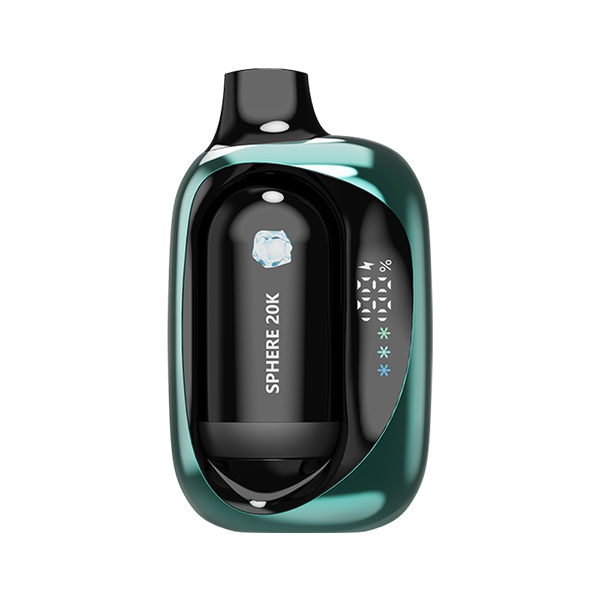
The SPHERE 20K replaceable pod system combines dual mesh, a replaceable pod, an intelligent display, Type-C charging, an 800mAh battery, and three-level adjustable ice.
This is a different form of personalization from wattage control.
Instead of asking users to understand electrical settings, the device presents a more experience-focused adjustment.
That distinction matters in vape device design.
Not every customer wants technical control. Some want a simple choice that maps directly to how the product feels.
Why Do Replaceable Pods Matter to Product Architecture?
Replaceable pods change more than maintenance.
They divide the device into functional modules.
The battery section can remain in use while the liquid and atomization section is replaced. Depending on the product, this can also make flavor changes or product refreshes easier.
From a design perspective, however, modularity adds requirements.
The connection between pod and device needs to remain secure. Electrical contacts need to align reliably. The user needs to understand how the pod is installed. Liquid containment still has to be maintained.
So while replaceable structures can improve flexibility, they also raise the importance of mechanical and electrical integration.
This is one reason modern vape technology increasingly depends on product architecture rather than individual component choice.
When Does Smart Vape Technology Add Real Value?
Smart vape technology is one of the most visible areas of the market, but it needs careful evaluation.
A screen can be useful.
Bluetooth can be useful.
Animations and interactive features can create differentiation.
But not every digital function automatically improves the core vaping experience.
The right question is whether the feature solves a user problem, communicates useful information, or creates a clear product position.
Why Are Displays Becoming More Useful?
A display can reduce uncertainty by showing information that the user would otherwise have to guess.
Battery status is one obvious example.
Operating mode is another.
A screen can also make adjustable products easier to understand because users can confirm which setting is active.
The ECO S refillable pod system combines a transparent 2.0ml refillable pod, adjustable airflow, adjustable power, a 1300mAh battery, Type-C charging, and a smart display.
That combination shows how smart vape technology can support control-oriented vape device design.
The screen is most valuable when it helps the user understand the device rather than simply adding visual activity.
What Happens When Connectivity Becomes Part of the Product?
The S 30K takes smart vape technology in a different direction.
Its platform includes Bluetooth connectivity, calls, music streaming, games, a smart display, dual mesh, and a 950mAh battery.
That creates a product positioned around interaction and entertainment as well as atomization.
For product planners, the lesson is not that every future vape should include Bluetooth.
The lesson is that vape innovations are allowing manufacturers to build much more distinct product categories.
A simple refillable pod and an interactive connected device can now sit in the same broader portfolio while serving different customer expectations.
That gives brands and distributors more room to segment products by experience rather than only by puff count or battery capacity.
Why Are Modular Vape Designs Becoming More Important?
Another important trend is the move from fully integrated structures toward more replaceable or modular systems.
The goal can be flexibility, longer use of selected components, easier liquid replacement, or a different sustainability strategy.
How Does ECO AWAKE Use Modular Design?
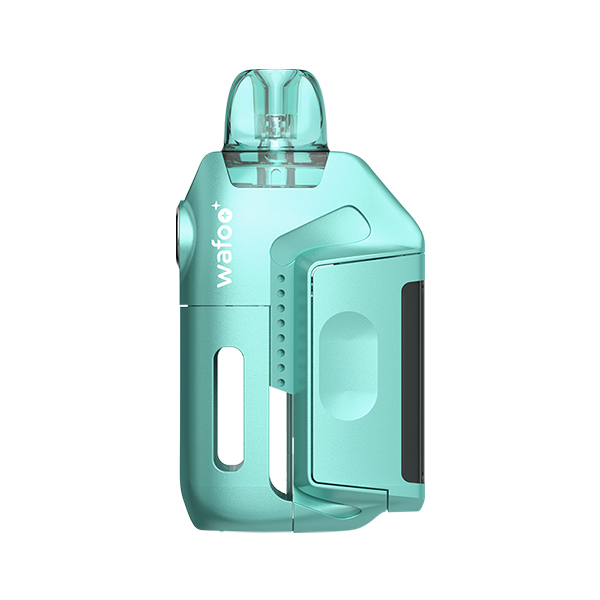
The ECO AWAKE refillable system combines a replaceable 10ml e-liquid bottle, a 0.6Ω mesh coil, a 900mAh battery, 17W output, Type-C charging, and a refill-and-close liquid-control structure.
Its design separates functions that might otherwise be integrated into one disposable body.
This changes how the product is used.
The liquid bottle becomes replaceable. The battery is handled as a separate functional element. The central body supports repeated use around those components.
That is a stronger example of structural vape technology than simply adding another display mode.
It changes the relationship between the main parts of the device.
Why Does Modularity Matter for Future Vape Innovations?
Modularity gives designers more options.
Instead of replacing the entire device when one consumable element is finished, a product can separate components according to their useful life.
This can influence cost, product positioning, user behavior, packaging, and environmental strategy.
But modularity only works when the interfaces are reliable.
Replaceable components need secure fit, predictable electrical connection, straightforward installation, and clear user instructions.
That is why future vape innovations are likely to depend as much on interface engineering as on individual new technologies.
Which Vape Innovations Have the Most Lasting Value?
The most durable vape innovations usually solve recurring problems.
A transparent tank reduces uncertainty about remaining liquid.
Adjustable airflow gives the user more control over draw resistance.
Adjustable power changes heat delivery.
Adjustable cooling changes another part of the sensory experience.
Replaceable pods increase flexibility.
Displays communicate status and settings.
Modular liquid and battery structures change how the product is used and replaced.
Smart connectivity can create a separate entertainment-oriented product category.
The common factor is not novelty.
It is usefulness.
Technology becomes valuable when the user can understand why it is there.
How Should Brands Evaluate New Vape Technology?
A brand should not begin by asking which feature is newest.
Start with the target market.
What problem needs to be solved?
Does the user want simplicity or more control?
Is refillability important?
Would transparent liquid visibility reduce uncertainty?
Does the market respond better to adjustable settings or a fixed experience?
Would smart vape technology genuinely differentiate the product, or would it simply increase cost and complexity?
Once those questions are clear, the technology can be selected around the product goal.
This prevents a common development mistake: building a feature-heavy device with no clear reason for the features to exist.
How Can Vape Technology Strengthen a Product Portfolio?
Technology also matters at the portfolio level.
A brand does not necessarily need every model to compete on the same feature.
One product can focus on compact refillability.
Another can focus on adjustable cooling.
Another can emphasize transparent capacity and visible information.
Another can lead with smart connectivity.
This creates clearer reasons for retailers to stock multiple models.
Wafoo’s development history includes transparent liquid chambers, refillable bottle systems, mesh and dual-mesh atomization, adjustable control, and smart interaction. These directions support different product roles rather than treating innovation as one continuous race toward higher numbers.
For distributors or brands planning a new product line, the team can discuss vape technology options with Wafoo based on target users, product positioning, and required functionality.
Conclusion
Vape technology in 2026 is becoming broader, more integrated, and more closely tied to product strategy.
Atomization technology remains the technical core, but modern vape device design now also includes liquid visibility, user-adjustable airflow and power, cooling control, replaceable components, modular structures, intelligent displays, and connectivity.
The strongest vape innovations are not necessarily the most complicated ones.
They are the technologies that solve a clear problem, give users understandable control, or create a distinct product role.
That is also the most useful way to evaluate smart vape technology: not by asking how many features a device contains, but by asking whether those features make the product easier to understand, more flexible to use, or more distinctive in its target market.
For manufacturers, distributors, and brands, this shift creates an important opportunity. Better technology can support better differentiation—but only when the technology and the product purpose are designed together.
FAQs
Q1: What vape technology is changing device design the most in 2026?
A1: Several areas are changing vape device design at the same time, including atomization technology, transparent liquid systems, adjustable airflow and power, replaceable pods, modular structures, smart displays, and connectivity. Their importance depends on the target product and user.
Q2: What is smart vape technology?
A2: Smart vape technology can include digital displays, electronic control, operating information, adjustable modes, Bluetooth connectivity, and interactive functions. The most useful smart vape technology gives users clearer information or meaningful control rather than adding features only for visual appeal.
Q3: Are new vape innovations always better than simpler designs?
A3: No. Vape innovations are valuable when they solve a specific problem or improve the intended experience. A simpler device may still be the better choice for users who value straightforward operation, while more advanced products can serve markets that want customization or smart interaction.