A 15 mL refillable pod changes more than refill frequency. It affects how liquid capacity, onboard power, carrying size, staff training, and accessory management fit together. A compact pod kit follows a different logic: a smaller liquid cycle, a self-contained battery structure, and fewer steps at the point of sale. For distributors, the useful comparison is whether each format supports the intended price tier, retail message, and repeat-order plan.
For buyers, the key question is whether a refillable pod vape can use its liquid capacity without creating an awkward charging, carrying, or training routine. A larger tank adds value only when the power structure and retail support are designed around it. A compact pod system vape may be easier to carry and explain, yet require more frequent charging, refilling, or pod replacement. The right pod system vape depends on how well its liquid capacity and power layout fit the intended channel, not on tank size alone.
Compare the Two Device Formats Before Comparing Features
| Decision point | 15 mL refillable pod | Compact pod kit |
| Liquid structure | Larger reservoir with longer refill-interval potential | Smaller pod or cartridge with a shorter liquid cycle |
| Power structure | May use larger onboard power or separate power support | Commonly relies on one integrated battery |
| Carrying profile | May require space for a support component | Usually easier to carry as one unit |
| Controls | May include airflow and mode adjustment | Often follows a simpler routine |
| Staff training and support | Requires clear refill, charging, and control guidance | Usually needs less explanation |
| Commercial role | Differentiated feature tier | Portable core assortment |
Why Tank Capacity and Power Support Must Be Reviewed Together
A large tank can extend the liquid cycle, but it cannot keep the device operating after available battery power is depleted. Tank capacity and stored energy serve different purposes, so one number cannot prove the performance of the other.
A Larger Tank Does Not Set Operating Time
The 15 mL figure states how much e-liquid the reservoir can hold. It does not state how many days the device will operate or how many draws every user will receive. Draw duration, frequency, airflow, selected mode, coil resistance, and e-liquid consumption all affect the result.
Tank capacity can be checked directly, while refill interval, puff count, and operating time depend on the test method and use conditions. This distinction matters when sales teams prepare packaging and distributor training.
Separate Power Support Changes the Carrying Routine
A high capacity pod vape may use separate power support to avoid placing the full battery capacity inside the handheld section. This layout can keep the handheld device manageable while adding energy when the onboard cell needs support.
The extra power support also creates more work for the channel. Staff need to explain how the two parts connect, when charging is needed, and which accessories are included. Connection stability, reconnection steps, and package contents therefore belong in the sample review.
A Compact Built-In Layout Reduces the Number of Steps
A compact format normally keeps the battery, controls, and pod connection in one body. This can make carrying and retail demonstrations more direct because users manage one unit rather than a handheld device plus a support component.
The simpler layout does not guarantee better battery life or lower e-liquid use. Its commercial advantage is usually fewer accessories and a more familiar routine.
How Each Format Affects Daily Use
Refill Interval and Liquid-Level Monitoring
A 15 mL refillable pod may suit channels where users value fewer refill interruptions. A transparent tank also supports direct liquid-level monitoring instead of relying only on an estimated puff figure or screen icon.
Actual refill timing remains user-dependent. Filling method, seal quality, coil saturation, and e-liquid compatibility still require review. A larger reservoir should not be converted into a guaranteed number of days.
A smaller refillable pod vape may need more frequent refilling or pod replacement. In return, the liquid component may be easier to remove, replace, or include in a repeat-order program.
Carrying Size and Component Management
A compact pod kit may fit channels that prioritize portability, a familiar cartridge routine, and lower operating complexity. It may also need less shelf space and fewer accessories in the retail package.
A high capacity pod vape may require more carrying space because of its reservoir, power arrangement, or control layout. The commercial question is whether longer refill intervals, visible liquid capacity, and separate power support justify a higher price tier and more staff training.
Procurement teams should compare clearly labeled samples in hand and in final packaging. Dimensions alone do not show how easily the full set can be carried.
Airflow and Mode Control
A larger refillable pod vape may include adjustable MTL and DTL airflow, more than one operating mode, or a visible control interface. These functions may broaden appeal but can also increase training time and after-sales questions.
A compact pod system vape may focus on one draw style or a narrower control range. That can support a shorter point-of-sale routine and clearer shelf differentiation.
Neither design should be described as universally more efficient. Airflow, mode, draw length, and use frequency can change battery and e-liquid consumption.
Which Retail Program Can Support Each Format?
The better refillable pod vape format is the one a channel can explain, demonstrate, and support consistently.
Feature-Led Retail Programs
A 15 mL refillable pod may fit stores and distributors that can demonstrate filling, liquid-level checks, airflow control, operating modes, and separate power support. It can support a higher feature tier when the added capacity and power arrangement create a clear price and shelf difference from smaller devices.
These programs should be prepared for accessory questions, charging guidance, and market-specific options.
Fast-Moving Core Assortments
A compact pod kit may fit retail programs that prioritize portability, quicker staff training, fewer accessories, and a familiar replacement or refill routine. It can also support a core assortment where customers already recognize the format.
This compact pod system vape still needs a clear specification. Battery capacity, resistance, pod capacity, charging port, package contents, and replacement availability should be confirmed before it is positioned as the simpler option.
A straightforward format may also reduce support load and simplify repeat-order planning.
Use XANDER to Review the Large-Tank and Power-Support Model
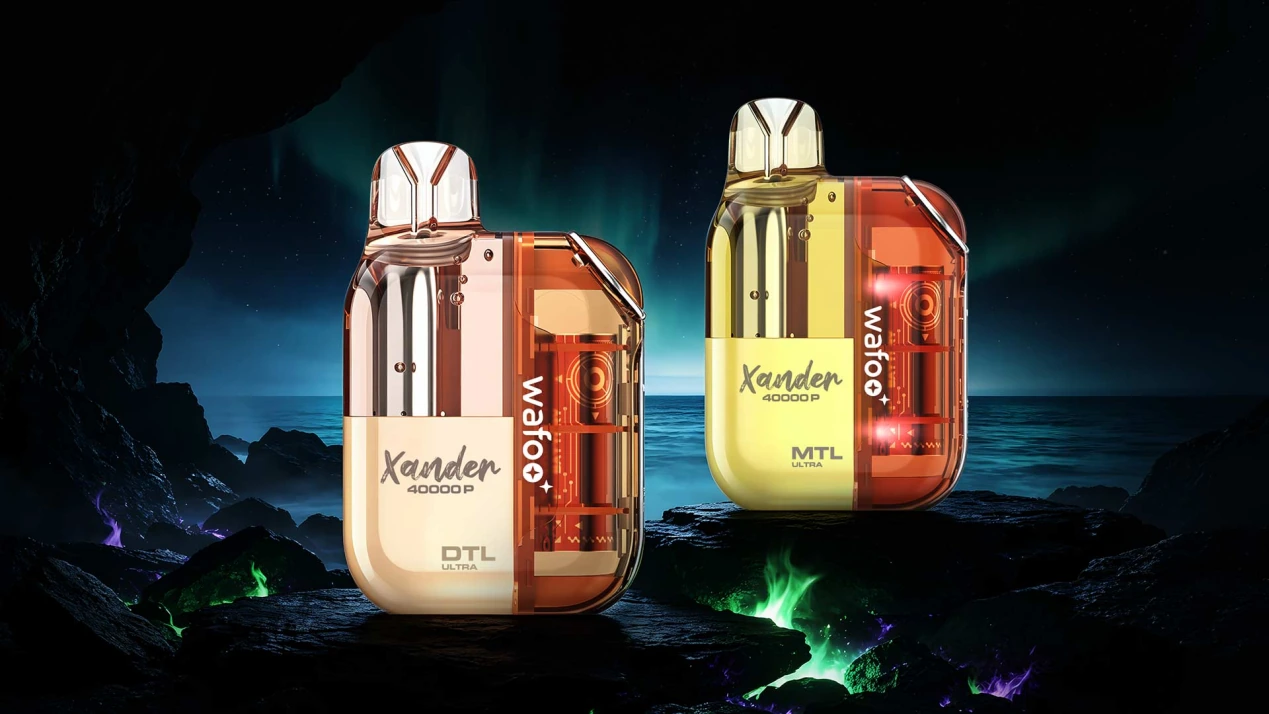
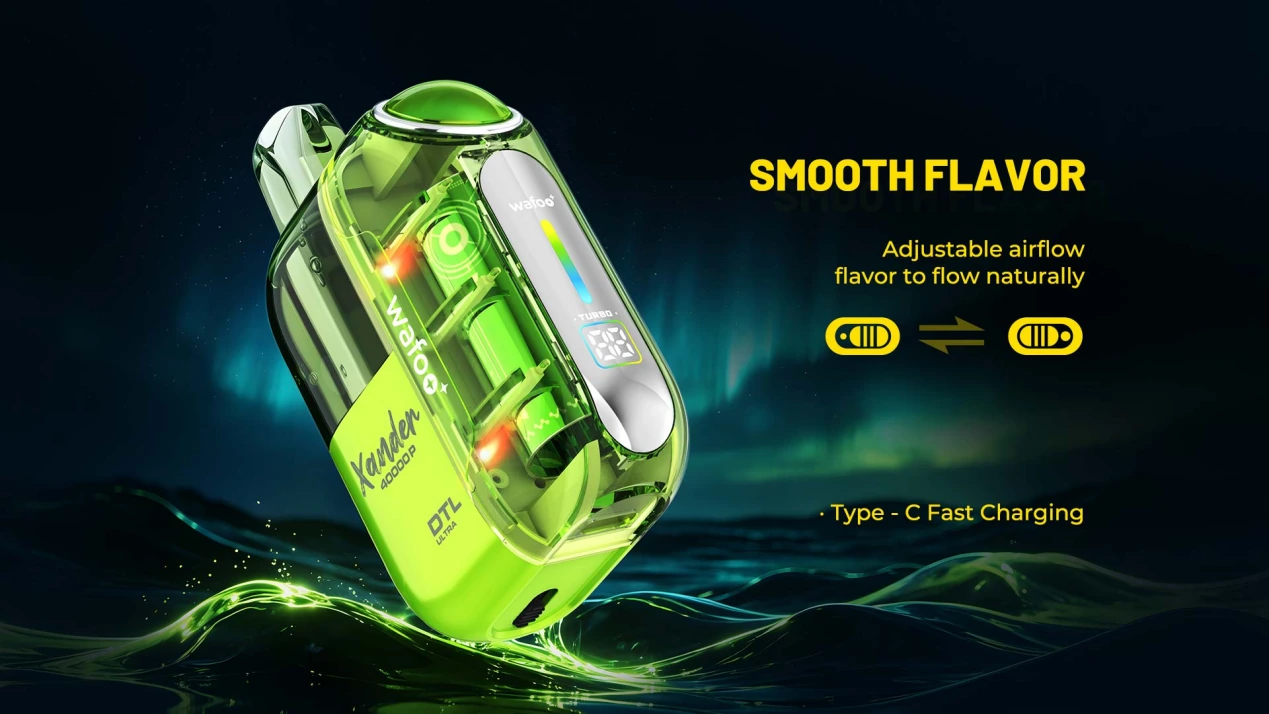
XANDER combines a 15 mL refillable transparent tank with a 300 mAh handheld battery and an 850 mAh power-support unit. Its configuration also includes dual mesh, 0.8 Ω × 2 resistance, adjustable MTL and DTL airflow, two operating modes, and Type-C.
This layout makes the liquid-and-power relationship easier to evaluate. The transparent reservoir supports liquid-level monitoring, while the onboard cell and support component address power availability. A high capacity pod vape still requires testing and clear retail explanation.
Its up to 40,000-puff positioning remains an upper-limit reference rather than a guaranteed result. Draw duration, mode, airflow, and use frequency can change the outcome.
Wafoo develops disposable, pod system, and e-liquid formats for different channel requirements. Product selection should begin with the required operating format, price tier, and support routine rather than one headline number.
Test the Complete Device System Before Market Approval
Check the Large-Tank System
For a high capacity pod vape, record the filling sequence, seal condition, liquid visibility, coil saturation time, airflow response, mode behavior, and the point at which onboard power needs support. Review connection and reconnection behavior across several clearly labeled samples.
Accessories and operating steps shown during sample review should also appear in the final package and instructions.
Check the Compact System
For a compact refillable pod vape, record pod fit, replacement or refill steps, activation response, airflow behavior, and whether the battery supports the intended pod cycle. A smaller body may look simpler, but buyers should still confirm how many steps users need for filling, pod replacement, charging, and daily operation.
Match the Approved Sample With the Final Specification and Packaging
The approved sample, specification, packaging, and instructions should describe the same tank, battery, coil, airflow, modes, charging port, accessories, and market version. Hardware changes need written approval.
Give Each Model a Clear Commercial Role
Both formats can work in one range, but they need a clear reason to coexist. When price, functions, and retail messaging are too similar, the models compete for the same customers instead of expanding category coverage.
A compact pod system vape can serve a portability-led core position, while a high capacity pod vape serves a different liquid-and-power role. The distinction should remain visible in pricing, packaging, staff training, shelf communication, and repeat-order planning.
Product teams can also use this refillable pod stocking checklist to review refill instructions, battery communication, staff training, and after-sales preparation.
Define the Liquid-and-Power Requirements Before Sampling
Before requesting samples, define tank capacity, refill method, onboard battery, power support, coil structure, resistance, MTL or DTL requirement, airflow, modes, charging port, package contents, e-liquid plan, nicotine options, labeling, destination market, and intended price tier.
Review the wider pod system range after the required device format is clear.
When the brief is ready, share the tank, power, packaging, and market requirements with the product team. A clearer brief leads to more useful samples and fewer changes after artwork approval.
FAQ
Q: Is a 15 mL refillable pod better than a compact pod kit?
A: Not in every channel. The larger format may suit programs that value fewer refill interruptions, visible liquid capacity, adjustable airflow, and separate power support. The compact format may fit channels that prioritize portability, fewer operating steps, and simpler staff training.
Q: Why can a large tank need separate power support?
A: Tank capacity and battery capacity serve different functions. A large reservoir may still contain usable e-liquid after the onboard battery needs support. A separate power component can add energy without placing the full battery capacity inside the handheld section.
Q: What should procurement teams test when comparing the two formats?
A: Compare filling or pod replacement, seals, liquid visibility, airflow, modes, activation, battery structure, charging, package contents, and consistency across several samples. The final sample should also match the specification, packaging, and instructions.