A refillable pod vape stores e-liquid, delivers it to a heating element, and uses battery power to create an inhalable aerosol. That simple description answers the first part of how does a vape work, but it leaves out the parts that determine whether the process remains stable: the tank, wick, coil, control circuit, airflow path, and power source. A well-designed pod system coordinates each stage instead of relying on one headline specification.
The output is often called vapor, although aerosol is the more accurate technical term. The device heats a formulated mixture under controlled electrical and airflow conditions; it does not turn a simple liquid into water vapor. For product teams, this distinction supports more accurate technical communication.
How Does a Vape Work From Tank to Mouthpiece?
The operating path begins before activation. E-liquid must stay sealed, reach the heating area, and remain available around the coil. The battery and control circuit then supply power, while air carries the aerosol through the mouthpiece. A liquid-delivery weakness may appear to be a coil problem, and weak power may resemble a supply problem.
The Tank Stores and Releases E-Liquid
The tank or cartridge gives a refillable vape its liquid capacity. A filling port replenishes the reservoir, while seals retain liquid during carrying and use. Internal channels and absorbent material guide the liquid toward the heating area.
A transparent tank helps users see whether liquid remains and whether the level changes after refilling. It does not calculate exact puffs or guarantee that every drop reaches the coil. Shape, orientation, sealing, and liquid movement still affect reservoir behavior.
The Wick Moves Liquid Toward the Coil
Most atomizing structures use absorbent material near the coil. The wick draws e-liquid from the reservoir and holds it where heating occurs. Supply must keep pace with use. Slow delivery may leave part of the heating area insufficiently saturated, while excessive flow may collect near the airflow path.
Filling instructions and rest time therefore matter. After filling, liquid needs time to reach the heating area; the approved user guide should define the waiting period.
The Battery and Control Circuit Supply Power
A battery stores electrical energy, but the control circuit decides how that energy reaches the coil. Activation may respond to airflow, a button, or a mode control. The circuit may also manage cutoffs, indicators, and output settings.
Battery capacity in mAh is fixed; operating time is not. Draw duration, frequency, resistance, mode, and charging losses change the result. Type-C identifies an interface, not an exact charging time, cycle life, or safety rating.
The Coil Converts Electrical Energy Into Heat
The coil is the atomizer’s heating element. Current and resistance produce heat, while the nearby wick supplies e-liquid. In practical terms, how does a vape work at coil level? It relies on the relationship among output, resistance, liquid supply, and activation time.
Mesh coils use a mesh-shaped heating surface. Dual mesh identifies two mesh elements or heating sections. These labels describe structure, not guaranteed flavor, battery life, or coil life; behavior still depends on control logic and test conditions.
Airflow Carries the Aerosol Out of the Device
Air enters through an intake, crosses the atomizing area, and carries aerosol toward the mouthpiece. Airflow affects draw resistance, perceived warmth, air volume, and pressure inside the pod.
MTL airflow usually supports a tighter draw, while DTL airflow allows a more open path. Neither setting creates a fixed consumption rate because draw length and frequency vary. A refillable vape with adjustable airflow should be assessed across every setting.
What Each Part of a Pod System Actually Controls
The device works as a connected assembly: reservoir, wick, coil, battery, control circuit, and airflow path. One part cannot prove whole-device performance.
Procurement and training teams should separate fixed specifications from variable results. Tank capacity, resistance, battery capacity, and port type are directly recordable. Puff count, coil life, charging duration, and liquid consumption require a defined test method.
The same rule applies when comparing a compact device with a larger refillable vape. More tank volume may reduce refill frequency but cannot extend battery life automatically. More stored energy cannot correct poor liquid delivery.
Why the Same Refillable Vape Can Feel Different
Units with the same basic specification may feel different when airflow, mode, liquid, or draw behavior changes. Such variation may reflect operating conditions rather than a defect.
Resistance and Mode Change the Electrical Load
Resistance influences how the coil responds within the device’s control range. Mode selection may change the way power is delivered. A resistance figure should therefore be read with the supported mode and control logic, not used as a stand-alone quality score.
For sample work, compare identified units with the same e-liquid, fill level, airflow position, and draw method. Record response, liquid change, sound, and power status. Repeat any issue on another unit before treating it as systematic.
Airflow Changes the Draw and Consumption Pattern
Adjustable airflow gives one refillable pod vape more than one draw profile. A tighter setting changes resistance at the intake, while a more open setting increases air volume. These changes may affect draw length and the way the user operates the device.
Retail materials should explain the settings without promising that one lasts longer. A short MTL draw and a long DTL draw are not a fair comparison; tests need consistent conditions.
E-Liquid Properties Affect Supply and Heating
E-liquids differ in formulation, nicotine strength, and flavor composition. Those differences may affect liquid movement and the way a coil behaves over time. Compatibility should be confirmed for the intended device and market, not assumed from bottle size.
Wafoo offers an e-liquid range with market-specific versions. For a wholesale program, the selected liquid, nicotine option, labeling, and device configuration need to describe the same regional offer.
What Refilling Changes in the Use Cycle
Refilling extends the liquid cycle but does not make every component permanent. Seals, coil condition, battery support, and operating steps still matter. A refillable vape also needs more guidance than a sealed format.
The filling sequence should identify the entry point, closure method, and rest period. Instructions should also cover residue, charging practice, and indicator meanings. These details affect support as much as tank capacity.
For B2B approval, the sample, specification, packaging, and instructions should match. Changes to the coil, seal, connector, battery, or controls may alter handling.
A High-Capacity Pod System in Practice
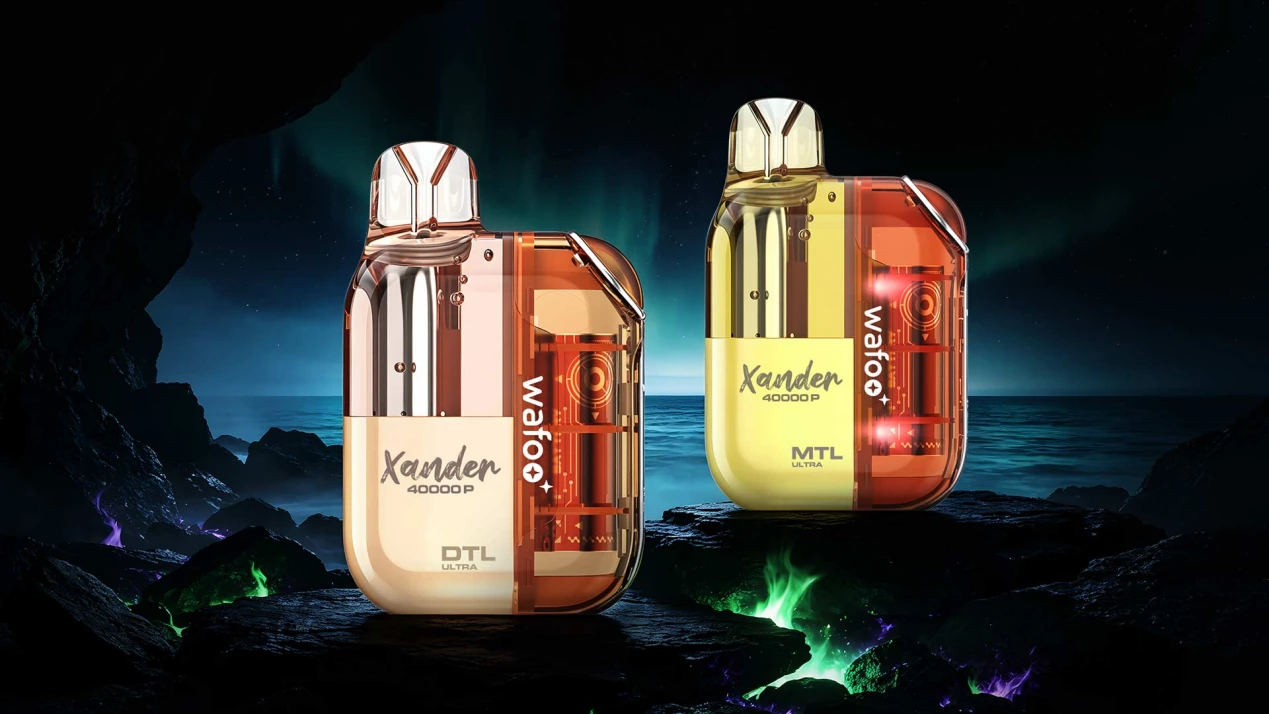
A high-capacity example brings these parts together. XANDER combines a 15 mL refillable transparent tank, dual mesh configuration, 0.8 Ω × 2 resistance, adjustable MTL and DTL airflow, two operating modes, a Type-C interface, and a 300 mAh plus 850 mAh battery arrangement with separate power support.
The tank supports storage and visibility; coil and resistance shape heating; airflow and modes change operation. The two-part battery structure supports energy needs without treating tank volume as proof of operating time. Its up to 40,000-puff figure remains an upper limit because draw pattern, airflow, mode, and liquid use affect results.
Wafoo develops pod and disposable formats for different channels, but product selection still starts with market needs. A complex feature set may suit a trained retail channel, while a simpler format may fit easy demonstration.

Common Misreadings of Refillable Pod Specifications
Several assumptions create avoidable errors. A larger tank does not guarantee longer battery life. Type-C does not define charging speed by itself. Dual mesh does not guarantee the same output with every liquid. An “up to” puff figure does not state exact remaining use.
For distributors, these distinctions also improve training. Staff can explain what a specification measures, what may change during use, and which points require sample verification. Clear wording reduces confusion when customers compare tank size, battery capacity, coil labels, and puff positioning.
The most useful explanation is not “battery plus liquid.” It is a sequence of storage, controlled feeding, electrical heating, and airflow. Commercial descriptions should follow that logic and separate measurable specifications from user-dependent outcomes.
For a closer comparison of refillable formats, read Open vs. Closed Pod Systems: 5 Key Differences for the Modern Vaper. It explains how filling method, convenience, flexibility, and product positioning change across the two structures.
Plan the Pod Configuration Before Sampling
Before requesting samples, define tank capacity, refill method, resistance, coil structure, airflow, modes, battery arrangement, e-liquid plan, package contents, and destination market. One brief should guide technical, purchasing, and marketing teams.
To compare a refillable pod vape with other product formats, review the wider device product range.
To proceed, share the required configuration with the product team. A clear brief makes sample evaluation more useful and reduces changes after artwork approval.
FAQ
Q: How does a refillable pod vape work?
A: A refillable pod vape stores e-liquid in a tank, feeds it toward a wick and coil, and uses battery power to heat the liquid into an aerosol. Airflow then carries the aerosol through the mouthpiece. Stable operation depends on liquid supply, resistance, power control, and airflow working together.
Q: What parts are inside a pod system?
A: A pod system normally includes a liquid reservoir, filling and sealing parts, a wick, a heating coil, a battery, a control circuit, an airflow path, and a mouthpiece. Some devices also include mode controls, displays, or separate power support.
Q: How does a vape work differently with adjustable airflow?
A: How does a vape work with different airflow settings depends on intake resistance, draw length, mode, and user behavior. A tighter setting supports an MTL-style draw, while a more open setting supports DTL use. Neither setting guarantees a fixed battery or liquid consumption rate.